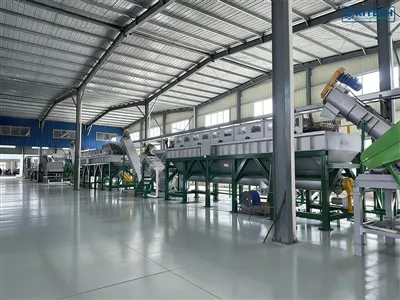
What to do if the discharge of an industrial Grinder Machine is blocked?
Material blockage at the discharge point of an industrial grinding machine is a common malfunction that not only affects processing efficiency but can also damage equipment components. When blockage occurs, it must be handled according to standard procedures, balancing safety and practicality. The following details the key points for resolving blockages in four core areas to help quickly identify and resolve such problems.
1. Troubleshooting the cause of the blockage
For discharge blockages, the cause must be identified first to avoid blindly attempting to resolve the issue and exacerbating the problem. Focus on checking the feeding process to determine if excessive or rapid feeding is causing material buildup and blockage at the discharge port. Simultaneously, inspect the discharge pipe for obstructions or bends that could impede material discharge. Additionally, examine the inside of the grinding chamber to check for material agglomeration or insufficient grinding, which could lead to large particles clogging the discharge channel.
2. Emergency Response Procedures
If a blockage is detected, immediately stop the equipment, disconnect the power supply, and eliminate any safety hazards. After the equipment has completely stopped rotating, clean the material accumulated on the surface of the discharge port, gradually clear the discharge pipe, and remove any foreign objects or clumps of material from the pipe. If there is a blockage in the grinding chamber, open the grinding chamber according to specifications, clean out any residual material and clumps inside, ensure that the grinding chamber and the discharge channel are unobstructed, and close the grinding chamber after cleaning.

3. Equipment reset check
After clearing the blockage, a comprehensive inspection of the equipment is necessary to ensure that the discharge pipe is undamaged and tightly connected, and that the grinding chamber components are not loose or damaged. Once the inspection is complete, connect the power supply and run the equipment under no-load to observe whether the discharge port is unobstructed and whether there are any abnormal noises or vibrations during operation. After confirming that the equipment is operating normally, gradually resume feeding and observe the discharge to ensure that there is no recurrence of blockage.
4. Follow-up preventive measures
To prevent recurrence of discharge blockages, it is essential to standardize feeding operations, maintain a uniform feeding rate, and avoid excessive material accumulation. Regularly clean the discharge pipe and grinding chamber, promptly removing residual material to prevent clumping. Simultaneously, check the material characteristics to ensure they meet the equipment's grinding requirements, remove impurities, and regularly maintain the equipment's discharge components to ensure smooth operation, reducing the risk of blockages at the source.
If you need an Copper Wire Grinding Machine or other Industrial Grinder Machine , RITECH is the ideal choice. Our technical team can customize equipment configurations to meet your specific needs.