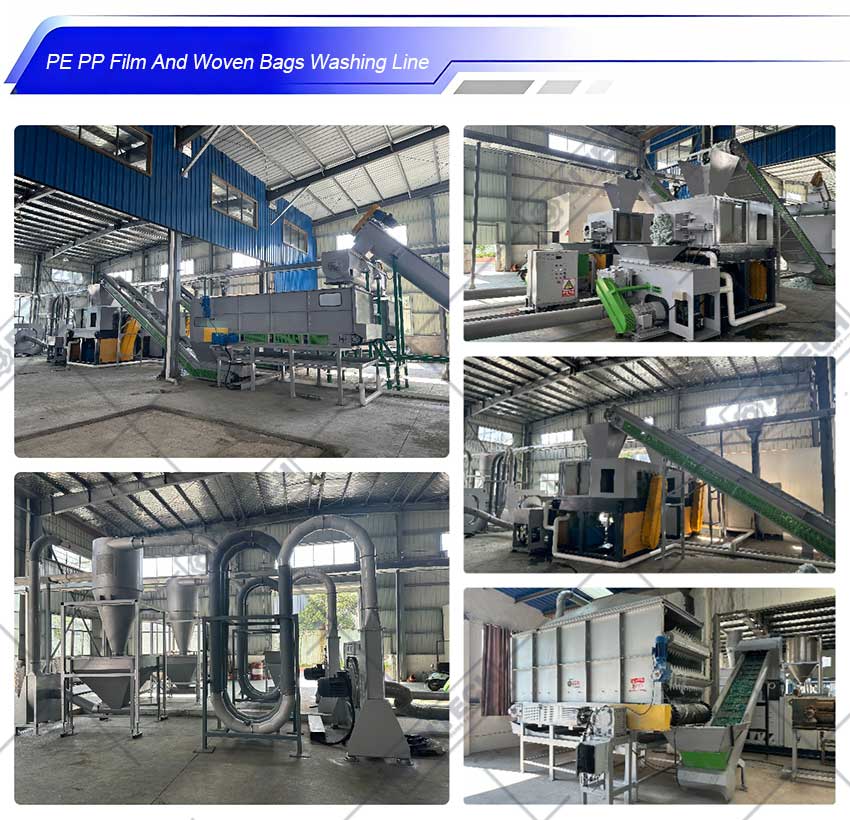
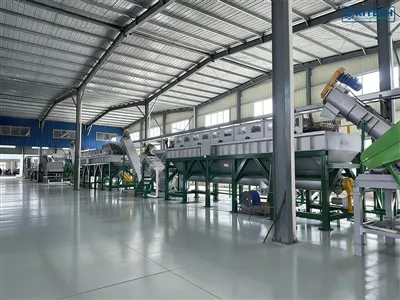
Daily inspections of plastic washing lines are crucial for ensuring stable equipment operation, extending service life, and preventing downtime due to malfunctions. The core of these inspections is to identify potential equipment problems, confirm operational status, and ensure cleaning efficiency and product quality. Inspections must comprehensively cover all key aspects of the equipment and are mainly divided into four core areas. These inspections should be conducted systematically and with a focus on key areas to ensure the equipment operates safely and efficiently every day.
1. Equipment appearance inspection
Inspect the overall appearance of the equipment, checking for deformation, looseness, or damage to the machine body and frame. Ensure that screws and fasteners at the joints are secure to prevent shaking during operation. Check the surface and surrounding area for oil stains, water stains, or plastic residue buildup, and clean up any debris promptly to prevent corrosion or compromised operational safety. Ensure the equipment is clean and structurally sound.
2. Inspection of core components
The key components to be inspected include the washing tank, brushes, nozzles, and conveyor belt. Check for wear or detachment of brushes, blockage of nozzles, uniform water output, and smooth and unbiased operation of the conveyor belt. Also check the operating sounds of the crushing, dewatering, and drying components for abnormal noises and jamming. Confirm that all components are smoothly connected and there are no issues such as material jamming or leakage.
3. Auxiliary system inspection
Inspect the auxiliary systems, including water and electricity supply and cleaning agents. Check for leaks in water and oil pipes, ensure valves operate smoothly without jamming, and guarantee unobstructed water and oil flow. Confirm that power lines and terminals are free from aging or loosening, and that grounding protection is intact to prevent potential electrical leakage. Check that the cleaning agent level is sufficient and that the mixing equipment is functioning correctly, ensuring the auxiliary systems provide stable support for equipment operation.
4. Safety and Environmental Inspections
Inspect the equipment's safety protection devices, such as guardrails and emergency stop buttons, to ensure they are intact and effective, and can respond promptly to emergencies. Inspect the surrounding environment of the equipment, clearing away obstructions, ensuring ample operating space, and confirming that ventilation and drainage systems are functioning properly, free of standing water and unusual odors. Record any abnormalities found during the inspection, report and address them promptly to prevent minor issues from escalating into equipment malfunctions.
If you'd like to learn more about LLDPE film washing lines or Pp Pe Waste Plastic Films Woven Bags Washing Lines, please feel free to contact us! We have cutting-edge technical information and a professional service team, and we look forward to working with you for mutual benefit!