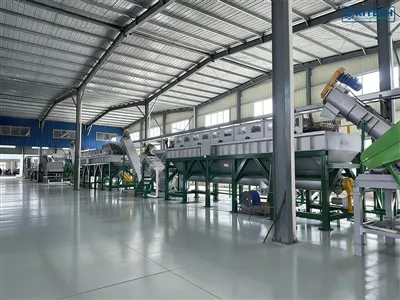
Seals are critical components of Industrial Grinder Machines, responsible for preventing material leakage and the entry of impurities. Aging or damage to seals can affect equipment operation and necessitates timely and proper replacement. The following details the replacement points across four core areas, balancing safety and compliance to ensure the equipment's sealing performance meets standards after replacement.
1. Preparations before replacement
Before replacement, the equipment must be stopped and the power completely disconnected. Operations should only commence after the equipment has come to a complete stop. Prepare compatible new seals, ensuring their specifications and material match the original seals to avoid mismatches that could lead to seal failure. Simultaneously, prepare the necessary tools and clean dust, oil, and residual materials from the seal installation area to prepare for the replacement operation.
2. Removal of old seals
When removing the old seal, handle it gently to avoid damaging the components of the equipment mounting area due to excessive force. Gradually loosen the fixing parts around the seal, and gently remove the old seal. Observe the installation position and fit of the old seal to provide a reference for the installation of the new seal. After disassembly, carefully clean the mounting groove of debris and residual sealant to ensure that the mounting groove is clean and flat.
3. Installation of new seals
Before installation, apply a small amount of suitable lubricant to the surface of the new seal to facilitate installation and improve sealing performance. Slowly place the new seal into the mounting groove, ensuring a tight fit, accurate positioning, and a complete fit without any misalignment or wrinkles. After installation, gradually tighten the surrounding fixing components, applying even pressure to avoid overtightening in any area, which could damage the seal.
4. Post-replacement inspection
After replacement, conduct a comprehensive inspection of the seal installation area to ensure that the seal is securely installed, fits tightly, and is not loose or missing. Connect the power supply and run the equipment under no-load to observe for any material or liquid leakage at the sealing area and any abnormal equipment operation. If any problems are found, stop the machine immediately for adjustments to ensure that the sealing performance meets the standards before resuming normal operation.

If you'd like to learn more about Industrial Grinder Machines or Industrial Plastic Shredders for Plastic Recycling, we're always ready to provide you with professional answers. We have extensive industry data and a team of professional consultants, and we look forward to engaging in in-depth discussions with you!