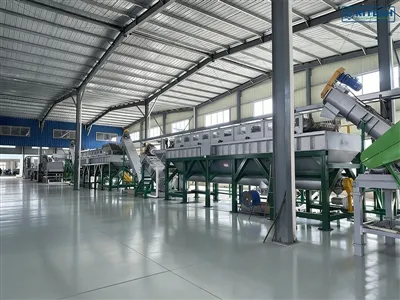
Routine maintenance is crucial for ensuring the stable operation of Industrial Grinder Machines and extending their lifespan. It reduces the failure rate and guarantees that grinding accuracy will remain consistent over the long term. The following details the key points of routine maintenance from four core dimensions, offering simple and easy-to-follow procedures that balance practicality and standardization.
1. Cleaning and maintenance
After each use, clean all key parts of the equipment promptly, paying particular attention to removing any residual material from the grinding chamber, feed inlet, and discharge outlet to prevent material clumping and blockage of pipelines or affecting future use. Simultaneously wipe the surface of the equipment body to remove dust and oil, keeping the equipment clean and preventing dust from entering internal components and causing wear or malfunction. Ensure the power is disconnected before cleaning to eliminate safety hazards.
2. Component Inspection and Maintenance
Regularly inspect the operating status of all equipment components, checking for tightness and looseness at joints, and tighten any loose parts promptly. Pay particular attention to the wear and tear of easily damaged parts; replace any worn, deformed, or broken parts immediately to avoid affecting equipment operation and grinding results. Simultaneously check the equipment's sealing performance to prevent material or liquid leaks and ensure normal equipment operation.
3. Lubrication and maintenance
The core rotating parts of the equipment require regular lubrication by adding appropriate lubricating media to reduce frictional wear between parts, lower operating noise, and extend component lifespan. During lubrication, the amount of lubricating media used must be controlled to avoid excessive or insufficient lubrication, which could affect the lubrication effect. Simultaneously, oil and impurities in the lubrication areas must be cleaned to ensure sufficient lubrication without interference from impurities, maintaining smooth equipment operation.
4. Storage and Environmental Maintenance
When not in use, the equipment should be placed in a dry, well-ventilated, and clean environment to prevent rust and corrosion caused by dampness. Keep it away from dust, corrosive gases, and other harmful factors. Before storage, thorough cleaning and protection are necessary, including disconnecting the power supply and tidying up all wiring and components. Regularly conduct simple inspections and trial runs of the idle equipment to prevent component aging and jamming, ensuring the equipment is ready for immediate use.
If you'd like to learn more about Granulator and crusher equipment or Industrial Grinder Machines , we're always ready to provide you with professional answers. We stay abreast of the latest industry technologies and have a highly efficient customer service team. We look forward to engaging in in-depth discussions with you to achieve mutual benefit and development!