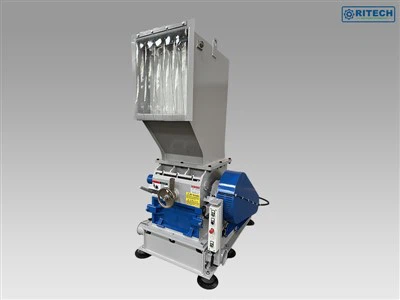
Choosing the right industrial grinding mill requires considering multiple factors. First, the characteristics of the material to be ground, such as hardness and particle size, must be clearly defined to determine the type of grinding mill. For example, disc mills are suitable for softer materials, while roller mills are more effective for harder materials. Second, production capacity is crucial; the grinding mill model should be selected based on the production scale. Third, grinding precision is paramount. Different grinding mills vary in the uniformity of particle size after grinding, and the selection must be based on the required precision for the product. Additionally, the durability and maintenance costs of the equipment must be considered.
High-quality grinding mills typically possess superior materials and stable structures, reducing the frequency of malfunctions and lowering maintenance costs. Ease of operation is also important; easy-to-operate grinding mills improve work efficiency and reduce labor costs. Furthermore, user reviews and testimonials can be consulted to understand the grinding mill's performance in practical applications. Only by comprehensively evaluating these factors can a grinding mill truly suited to the specific needs of your industrial production be selected, facilitating smooth production.