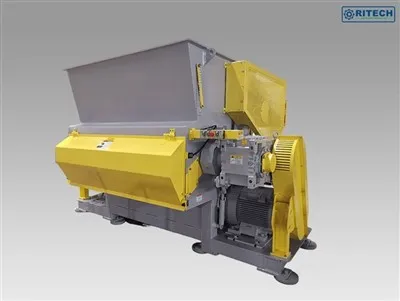
Hey there! I'm a supplier of Waste Tire Recycling Line. Today, I'm gonna talk about the production speed of a waste tire recycling line.
Understanding the Basics of Waste Tire Recycling
First off, let's get a quick understanding of what waste tire recycling is all about. Waste tires are a huge environmental problem. They take up a ton of space in landfills and can cause all sorts of issues if not disposed of properly. That's where waste tire recycling lines come in. These lines are designed to break down old tires into useful materials like rubber granules, steel wires, and fiber.
Factors Affecting Production Speed
There are several factors that can affect the production speed of a waste tire recycling line.
Tire Size and Type
The size and type of tires being recycled play a big role. Larger tires, like those from trucks or heavy machinery, take longer to process than smaller car tires. Different types of tires also have different compositions. Some tires might have more steel or fiber in them, which can slow down the recycling process. For example, radial tires are more common these days, and they have a different structure compared to bias-ply tires. The steel belts in radial tires need to be separated carefully, which can add to the processing time.
Equipment Quality and Capacity
The quality and capacity of the recycling equipment are crucial. High - quality machines are generally more efficient and can process tires faster. A well - designed shredder, for instance, can cut through tires more quickly and with less wear and tear. Also, the capacity of the equipment matters. A larger capacity recycling line can handle more tires at once, increasing the overall production speed. If you have a small - scale recycling line, it will obviously take longer to process the same number of tires as a large - scale one.
Operator Skill
The skill of the operators running the recycling line is another important factor. Experienced operators know how to optimize the equipment settings, troubleshoot problems quickly, and keep the line running smoothly. They can make adjustments on the fly to ensure that the production speed is maximized. On the other hand, inexperienced operators might make mistakes that slow down the process, like setting the wrong cutting speed or not loading the tires properly.
Measuring Production Speed
Production speed in a waste tire recycling line is usually measured in terms of the amount of tires processed per hour or per day. For example, a small - scale recycling line might be able to process 1 - 2 tons of tires per hour, while a large - scale industrial line can process 5 - 10 tons or even more per hour.
Let's break down the different stages of the recycling process and how they contribute to the overall production speed.
Shredding
The first stage is shredding. This is where the tires are cut into smaller pieces. The speed of the shredder is a key factor here. A high - speed shredder can quickly reduce the tires to a manageable size. However, if the shredder is not powerful enough or is clogged with debris, it can slow down the entire process.
Separation
After shredding, the different components of the tires, such as rubber, steel, and fiber, need to be separated. This can be done using various methods like magnetic separation for the steel and air separation for the rubber and fiber. The efficiency of these separation processes affects the production speed. If the separation equipment is not working properly, it might require multiple passes to get a clean separation, which takes time.
Granulation
Once the components are separated, the rubber is often further processed into granules. The granulation process also has a certain speed. A good granulator can produce high - quality rubber granules at a relatively fast rate. But if there are issues with the granulator, like blade wear or blockages, it can slow down the production.
Real - World Examples of Production Speeds
In a real - world scenario, a medium - sized waste tire recycling line that I've supplied can process around 3 - 5 tons of tires per hour. This line is equipped with high - quality shredders, efficient separation equipment, and a reliable granulator. The operators are well - trained, which helps to keep the production running smoothly.
Let's say you have a recycling plant that wants to process 100 tons of waste tires per day. If you have a line with a production speed of 5 tons per hour, you would need to run the line for about 20 hours a day (assuming no downtime for maintenance or other issues). However, in reality, there will always be some downtime for things like equipment maintenance, cleaning, and operator breaks. So, you might need to run the line for a bit longer to meet the daily target.


Improving Production Speed
If you're looking to improve the production speed of your waste tire recycling line, here are some tips.
Upgrade Equipment
Investing in high - quality equipment can make a big difference. Newer shredders, separators, and granulators are often more efficient and can process tires faster. For example, some modern shredders use advanced cutting technologies that can cut through tires more quickly and with less energy consumption.
Train Operators
Proper training for operators is essential. Make sure they know how to operate the equipment correctly, troubleshoot common problems, and optimize the settings for maximum production speed. You can provide regular training sessions and refresher courses to keep their skills up - to - date.
Maintain Equipment Regularly
Regular maintenance is crucial to keep the equipment running smoothly. This includes things like lubricating moving parts, replacing worn - out blades, and cleaning the equipment. By preventing breakdowns and keeping the equipment in good condition, you can avoid costly downtime and maintain a high production speed.
Why Choose Our Waste Tire Recycling Line
As a supplier, I can tell you that our Waste Tire Recycling Line is designed to offer high - speed production without compromising on quality. We use the latest technology and high - quality materials in our equipment. Our lines are also customizable, so you can choose the features and capacity that best suit your needs.
If you're in the business of waste tire recycling and are looking to increase your production speed, our recycling line could be the solution you've been looking for. Whether you're a small - scale recycler or a large industrial operation, we have the right equipment for you.
Let's Connect
If you're interested in learning more about our waste tire recycling line or want to discuss your specific requirements, don't hesitate to reach out. We're here to help you improve your production speed and make your waste tire recycling operation more efficient.
References
- Some industry reports on waste tire recycling technology and production efficiency.
- Case studies of successful waste tire recycling plants.