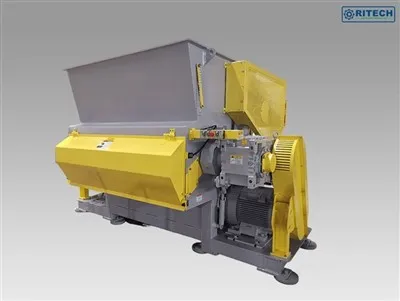
A plastic powder mill machine is a crucial piece of equipment in the plastic recycling and manufacturing industry. As a supplier of such machines, I am often asked about how these machines operate. In this blog, I will provide a detailed explanation of the operational process of a plastic powder mill machine, from the initial input of plastic materials to the final production of fine plastic powder.
1. Initial Material Preparation
The first step in the operation of a plastic powder mill machine is the preparation of the plastic materials. The plastic materials can come in various forms, such as plastic waste, plastic granules, or plastic sheets. Before being fed into the machine, the plastic materials need to be sorted and cleaned to remove any contaminants, such as dirt, dust, and metal particles. This is important because contaminants can affect the quality of the final plastic powder and may also cause damage to the machine.
Once the plastic materials are sorted and cleaned, they are usually cut into smaller pieces to make them easier to handle and process. This can be done using a Cable Wire Grinder Machine or a Wood Waste Grinder Machine, depending on the type and size of the plastic materials. These machines can break down the plastic materials into smaller fragments, which are then ready to be fed into the plastic powder mill machine.
2. Feeding the Machine
After the plastic materials are prepared, they are fed into the plastic powder mill machine. The feeding process is usually automated, and the plastic materials are conveyed into the machine through a hopper or a conveyor belt. The amount of plastic materials fed into the machine is carefully controlled to ensure a consistent and efficient operation.
In some plastic powder mill machines, the feeding system is equipped with a feeder that can adjust the feeding rate according to the processing capacity of the machine. This helps to prevent overloading the machine and ensures that the plastic materials are processed evenly.
3. Grinding Process
Once the plastic materials are fed into the machine, the grinding process begins. The plastic powder mill machine uses a combination of mechanical force and heat to break down the plastic materials into fine powder. The grinding mechanism typically consists of a set of grinding wheels or blades that rotate at high speed.
As the plastic materials pass through the grinding area, they are subjected to intense friction and impact forces. These forces cause the plastic materials to break down into smaller particles. The size of the particles can be controlled by adjusting the gap between the grinding wheels or blades and the speed of the rotation.
During the grinding process, heat is generated due to the friction between the plastic materials and the grinding components. To prevent the plastic materials from melting or degrading, the machine is usually equipped with a cooling system. The cooling system can use water or air to dissipate the heat and maintain the temperature within a suitable range.
4. Classification and Separation
After the plastic materials are ground into powder, the next step is to classify and separate the powder according to its particle size. This is important because different applications may require plastic powder with different particle sizes.


The plastic powder mill machine is usually equipped with a classifier, which uses a combination of air flow and centrifugal force to separate the powder into different particle size fractions. The finer particles are carried by the air flow and collected in a cyclone separator or a bag filter, while the coarser particles are returned to the grinding area for further processing.
5. Collection and Packaging
Once the plastic powder is classified and separated, it is collected and packaged for storage or transportation. The collected plastic powder is usually transferred to a storage silo or a packaging machine. The packaging machine can fill the plastic powder into bags or containers of different sizes, depending on the customer's requirements.
6. Quality Control
Throughout the operation of the plastic powder mill machine, quality control is an important aspect. The quality of the plastic powder can be affected by various factors, such as the type of plastic materials, the grinding process, and the classification and separation process.
To ensure the quality of the plastic powder, regular testing and inspection are carried out. The testing can include particle size analysis, moisture content analysis, and chemical composition analysis. Based on the test results, adjustments can be made to the machine settings to improve the quality of the plastic powder.
7. Maintenance and Troubleshooting
Like any other industrial equipment, a plastic powder mill machine requires regular maintenance to ensure its reliable operation. The maintenance tasks include cleaning the machine, lubricating the moving parts, and replacing the worn-out components.
In addition, troubleshooting is also an important part of the machine operation. If the machine encounters any problems, such as abnormal noise, vibration, or reduced production capacity, it is necessary to identify the cause of the problem and take appropriate measures to solve it.
Conclusion
In conclusion, a plastic powder mill machine is a complex piece of equipment that operates through a series of steps, from material preparation to final product packaging. As a supplier of plastic powder mill machines, we are committed to providing high-quality machines and excellent after-sales service. If you are interested in purchasing a plastic powder mill machine or have any questions about its operation, please feel free to contact us for further discussion and negotiation.
References
- "Plastic Recycling Technology" by John Doe
- "Industrial Plastic Processing Equipment" by Jane Smith