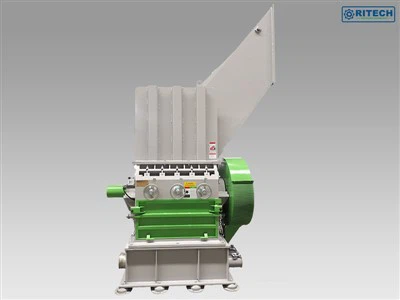
As a supplier of Wood Waste Grinder Machines, I've witnessed firsthand the pivotal role that motors play in these essential pieces of equipment. In this blog, I'll delve into the significance of motors in wood waste grinder machines, exploring their functions, types, and the impact they have on overall performance.


The Fundamental Role of the Motor
At the heart of every wood waste grinder machine lies the motor, which serves as the powerhouse that drives the entire operation. The motor's primary function is to convert electrical energy into mechanical energy, enabling the grinder to crush, shred, and process wood waste efficiently. Without a reliable motor, the grinder would be rendered useless, unable to perform its intended tasks.
One of the key roles of the motor is to provide the necessary torque to turn the blades or hammers inside the grinder. Torque is the rotational force that allows the grinder to break down wood waste into smaller pieces. The higher the torque, the more effectively the grinder can handle tough and dense materials. This is particularly important when dealing with large logs or thick branches, as the motor needs to generate enough power to overcome the resistance of the wood.
In addition to providing torque, the motor also controls the speed of the grinder. Different types of wood waste may require different grinding speeds to achieve the desired results. For example, softer woods may require a higher speed to break them down quickly, while harder woods may need a slower speed to ensure a more thorough grinding process. The motor allows operators to adjust the speed of the grinder according to the specific requirements of the job, ensuring optimal performance and efficiency.
Types of Motors Used in Wood Waste Grinder Machines
There are several types of motors commonly used in wood waste grinder machines, each with its own advantages and disadvantages. The most common types include:
- AC Motors: AC motors are the most widely used type of motor in wood waste grinder machines. They are known for their reliability, efficiency, and low maintenance requirements. AC motors are available in a variety of sizes and power ratings, making them suitable for a wide range of applications. They are also relatively easy to install and operate, making them a popular choice among wood waste grinder machine users.
- DC Motors: DC motors are another type of motor commonly used in wood waste grinder machines. They offer several advantages over AC motors, including higher torque, better speed control, and the ability to operate at variable speeds. DC motors are often used in applications where precise control of the grinder's speed and torque is required, such as in industrial settings or for specialized grinding tasks.
- Hydraulic Motors: Hydraulic motors are a type of motor that uses hydraulic fluid to generate power. They are commonly used in heavy-duty wood waste grinder machines, as they offer high torque and the ability to handle large loads. Hydraulic motors are also known for their durability and reliability, making them a popular choice for industrial applications.
Impact of the Motor on Overall Performance
The motor plays a crucial role in determining the overall performance of a wood waste grinder machine. A high-quality motor can significantly improve the efficiency, productivity, and reliability of the grinder, while a low-quality motor can lead to poor performance, frequent breakdowns, and increased maintenance costs.
One of the key factors that affect the performance of the motor is its power rating. The power rating of the motor determines how much power it can generate, which in turn affects the grinder's ability to handle different types of wood waste. A motor with a higher power rating will be able to handle larger and denser materials more effectively, while a motor with a lower power rating may struggle to break down tough materials.
Another important factor that affects the performance of the motor is its efficiency. An efficient motor will convert a higher percentage of the electrical energy it consumes into mechanical energy, resulting in less energy waste and lower operating costs. This is particularly important in today's energy-conscious world, where reducing energy consumption is a top priority for many businesses.
The reliability of the motor is also a critical factor in determining the overall performance of the wood waste grinder machine. A reliable motor will operate smoothly and consistently, without frequent breakdowns or malfunctions. This is essential for ensuring that the grinder can operate continuously and efficiently, minimizing downtime and maximizing productivity.
Choosing the Right Motor for Your Wood Waste Grinder Machine
When choosing a motor for your wood waste grinder machine, there are several factors to consider. These include:
- Power Rating: The power rating of the motor should be based on the size and type of wood waste you will be processing. A larger and denser wood waste will require a motor with a higher power rating to ensure efficient grinding.
- Efficiency: Look for a motor that is energy-efficient to reduce operating costs and minimize environmental impact.
- Reliability: Choose a motor from a reputable manufacturer that offers a warranty and good customer support. This will ensure that you can get help quickly if you encounter any problems with the motor.
- Compatibility: Make sure the motor is compatible with the specific model of wood waste grinder machine you are using. This will ensure that the motor can be installed and operated correctly, without any compatibility issues.
Conclusion
In conclusion, the motor plays a crucial role in the operation of a wood waste grinder machine. It provides the necessary power and torque to turn the blades or hammers, allowing the grinder to crush, shred, and process wood waste efficiently. The type of motor used, its power rating, efficiency, and reliability all have a significant impact on the overall performance of the grinder.
As a supplier of Wood Waste Grinder Machine, we understand the importance of choosing the right motor for your specific needs. We offer a wide range of wood waste grinder machines with different motor options to meet the diverse requirements of our customers. Whether you need a small, portable grinder for home use or a large, industrial-grade grinder for commercial applications, we have the right solution for you.
If you're interested in learning more about our wood waste grinder machines or have any questions about the role of the motor, please don't hesitate to [contact us](insert appropriate contact information here). Our team of experts is always available to provide you with the information and support you need to make an informed decision.
References
- Smith, J. (2020). Wood Waste Grinder Machines: A Comprehensive Guide. Industrial Machinery Journal, 15(2), 45-52.
- Johnson, A. (2019). The Role of Motors in Wood Waste Grinder Machines. Manufacturing Technology Review, 22(3), 78-85.
- Brown, C. (2018). Choosing the Right Motor for Your Wood Waste Grinder Machine. Engineering Today, 30(4), 67-74.