


Hey there! As a supplier of wire grinder machines, I often get asked about the learning curve associated with operating these nifty pieces of equipment. So, I thought I'd share my thoughts and experiences on this topic.
First off, what exactly is a wire grinder machine? Well, it's a specialized tool used to grind, polish, or sharpen wires. Whether you're working with metal wires in a manufacturing setting or need to prep wires for a DIY project, a wire grinder can be a game - changer.
Understanding the Basics
When you first get your hands on a wire grinder machine, the initial learning phase starts with getting familiar with its components. Most wire grinders have a motor, a grinding wheel, a control panel, and some kind of safety guard. It's crucial to take the time to read the user manual. Yeah, I know manuals can be a drag, but they're like a treasure map for operating the machine safely and efficiently.
The control panel is usually where you'll find the power switch, speed control (if it has that feature), and maybe some other settings. Figuring out how to start and stop the machine smoothly, along with adjusting the speed according to the type of wire you're working with, might take a few tries. For softer wires, a lower speed might be sufficient, whereas harder metals could require a higher setting.
This part of the learning curve might take a couple of days to a week, depending on how often you use the machine. Just spend some time turning it on and off, adjusting the controls, and getting a feel for how it responds.
Safety First
Safety is super important when operating any kind of machinery, and wire grinders are no exception. This is something that should be ingrained in your mind from the get - go. You need to wear appropriate safety gear, like safety glasses to protect your eyes from flying debris, gloves to keep your hands safe, and sometimes even ear protection if the machine is noisy.
The safety guard is there for a reason, so never operate the machine without it in place. Also, make sure the wire grinder is properly grounded to prevent any electrical hazards. Learning to follow all these safety protocols might take a bit of getting used to, but it's non - negotiable. It might add a little extra time to the overall learning curve, but it's definitely worth it for your well - being.
Mastering the Grinding Technique
Once you're comfortable with the machine's basic operation and safety procedures, it's time to focus on the actual grinding. The key here is to apply the right amount of pressure. Too much pressure, and you could damage the wire or the grinding wheel; too little, and you won't get the desired results.
You'll also need to learn how to position the wire correctly against the grinding wheel. Different types of wire grinding, like end grinding or surface grinding, require different techniques. For example, when doing end grinding, you need to hold the wire steady and at the right angle to get a smooth, even finish.
This is where practice really makes perfect. You'll probably mess up a few wires at first, but don't get discouraged. Keep at it, and you'll start to develop a feel for what works. It could take anywhere from a couple of weeks to a month or more to really master the grinding technique, depending on how complex the tasks you're working on are.
Troubleshooting
Even after you've learned the basics and mastered the grinding technique, problems can still crop up. Maybe the grinding wheel isn't spinning correctly, or there's an odd noise coming from the machine. Troubleshooting these issues is part of the learning curve.
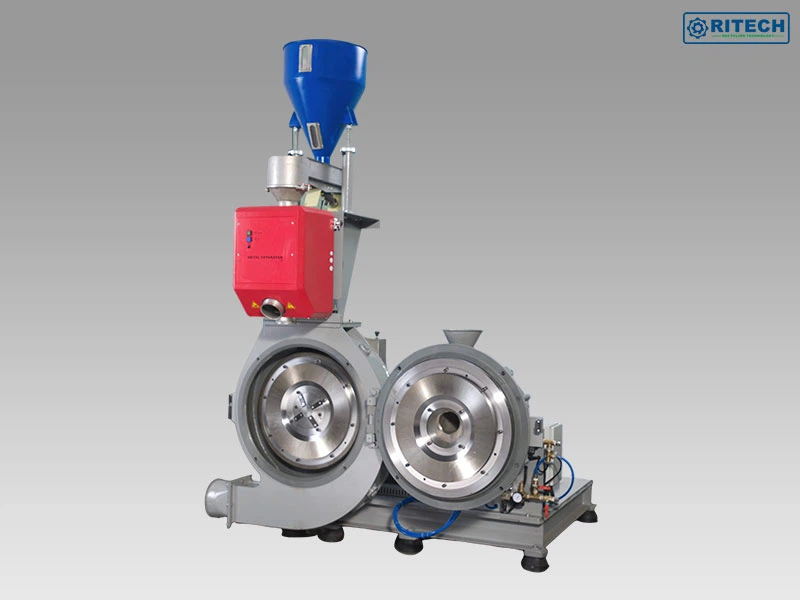

It helps to have a basic understanding of how the machine works internally. Referring back to the user manual can be a big help here. You'll learn how to identify common problems like a loose belt, a worn - out bearing, or a clogged ventilation system. And once you can identify the problem, you can figure out how to fix it. This part of the learning curve can take a while, as you gain experience dealing with different issues.
Comparing with Other Similar Machines
It's interesting to note how the learning curve of a wire grinder machine stacks up against other similar machines. For instance, a Plastic Powder Mill Machine has its own set of operating procedures. While both involve some form of grinding, the materials they work with are quite different. Plastics have different properties compared to wires, so the techniques for feeding the material, adjusting the speed, and achieving the right grind size are unique to the plastic powder mill.
Similarly, a Wood Pallet Grinder Machine deals with a completely different type of material - wood pallets. The way you load the pallets, the speed at which the machine operates, and the maintenance requirements are distinct from those of a wire grinder.
A Plastic Grinder Mill Machine is another example. It's designed to grind plastic materials into smaller pieces, and the learning curve for this machine involves understanding how to handle different types of plastics, such as rigid plastics or flexible plastics.
The PET Bottle Grinding Machine is specialized for grinding PET bottles. The process includes feeding the bottles into the machine, dealing with the shape and structure of the bottles, and ensuring a consistent grind. And an Industrial Plastic Grinder Machine is used for large - scale plastic grinding operations, which means there are additional considerations like production volume, continuous operation, and integration with other industrial processes.
Conclusion and Call to Action
In conclusion, the learning curve for operating a wire grinder machine can be divided into several phases. There's the initial phase of familiarizing yourself with the machine's components and controls, followed by learning and adhering to safety protocols. Then comes the process of mastering the grinding technique and eventually being able to troubleshoot common problems.
It's a journey that takes time and practice, but with a bit of patience, you'll become proficient in using a wire grinder machine. And if you're in the market for a high - quality wire grinder machine, or any of the other machines I've mentioned, I'd love to chat with you. Whether you're a small - scale workshop or a large industrial operation, we've got the right solutions for your needs. Just reach out, and we can start a discussion about your specific requirements.
References
- Manufacturer's user manuals for wire grinder machines
- Industry - specific training materials on machinery operation
- Personal experience as a wire grinder machine supplier


