


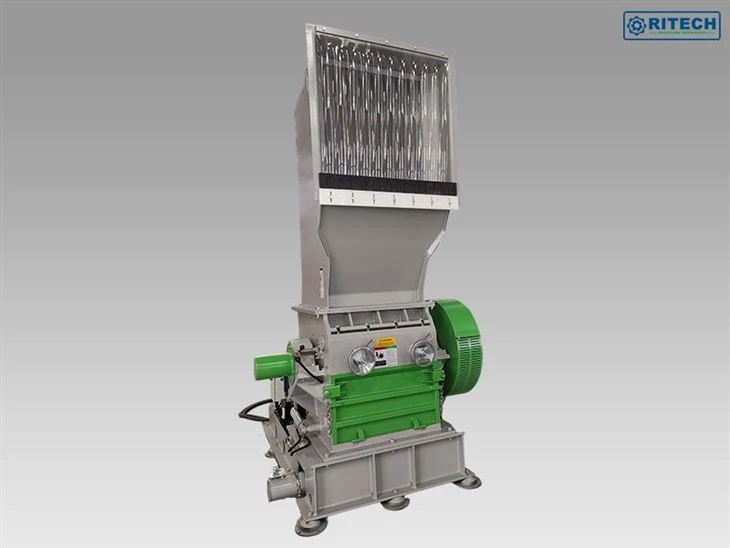
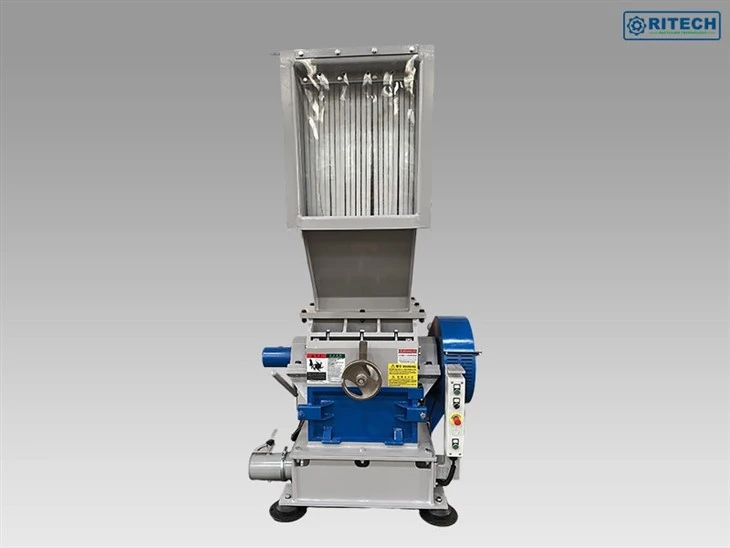
Hey there, if you’re someone dealing with industrial waste—like old drums, scrap barrels, or other tough stuff—chances are you’ve asked yourself: Can a barrel shredder actually work outdoors? I get it, because I run a company that supplies these machines, and I field this question every single week. Folks see our gear in warehouses, think “this looks indoor-only,” and start worrying about rain, dust, sun, or whatever else Mother Nature throws at it. Let’s break this down, no boring jargon, just real talk from someone who’s been in this game for years.
First off, let’s get one thing straight: Barrel shredders are built to take a beating. They’re not the flimsy office shredder you use for junk mail—these are heavy-duty pieces of equipment designed to chew through metal, plastic, and composite barrels without quitting. But “built tough” doesn’t mean “invincible,” especially when you’re setting it up outside. The short answer is: Yeah, you can use a barrel shredder outdoors, but only if you prep it right. Skip the prep, and you’ll end up with a machine that breaks down faster than your old car after a Michigan winter.
Let’s start with the big outdoor worries: weather. Rain is the #1 culprit here. If water gets into the shredder’s motor, gears, or control panel, you’re looking at corrosion, electrical shorts, or even a total system crash. I’ve seen customers leave a shredder out overnight in a light drizzle, think “it’s fine,” and then spend $2k on repairs when the motor won’t turn on the next morning. That’s avoidable. But here’s the thing—we design our barrel shredders with outdoor use in mind, actually. Wait, let’s clarify: not all barrel shredders are the same. Some are made specifically for indoor waste yards with climate control, others are built for job sites where you’re moving from one spot to another in the elements.
Take our line, for example—all our shredder models (whether it’s a barrel shredder, Aluminum Shredder, Plastic Drum Recycling Crusher, or even a Heavy Duty Pipe Crusher) come with weather-resistant components as standard on most industrial-grade units. But that’s the base. You still need to do the extra steps to make it last. Let’s talk about simple fixes: first, a weatherproof cover. Not the cheap tarp you get at the gas station—get a heavy-duty, UV-stabilized cover that’s cut to fit your exact shredder. It should cover the entire unit, including the control panel and the feed hopper when you’re not using it. The hopper’s a big one because rain can pool there, and if water seeps down into the cutting chamber, it can mix with dust and debris to create a gunk that wears down your blades faster.
Then there’s dust and debris. If you’re using your barrel shredder at an outdoor job site—say, a construction lot where you’re tearing down old pipe, or a scrap yard with tons of loose dirt and metal shavings—dust will get everywhere. That’s not just annoying; it can clog the motor’s cooling system, which causes overheating. Overheating leads to more wear and tear, and before you know it, you’re replacing parts way sooner than you should. So, a monthly cleaning routine is non-negotiable. We recommend using compressed air to blow out dust from the motor and control panel, and wiping down the blades to remove any built-up gunk. It takes 10 minutes, and it saves you hundreds in repairs.
Wait, let’s switch gears for a second and talk about what you’re actually shredding outdoors. A lot of folks use barrel shredders not just for steel drums, but for other industrial waste—like large plastic drums, scrap pipe, even old tires. If you’re shredding large diameter pipe, for example, a Large Diameter Pipe Shredder paired with a barrel shredder makes sense for outdoor sites. But if you’re working with wet materials (like plastic drums that have been out in the rain and absorbed water), you have to adjust how you operate the machine. Shredding wet material isn’t impossible, but it can make the blades stick if you don’t clear them regularly. Most good barrel shredders have a blade cleaning cycle, but it’s extra important when you’re working with damp, outdoor waste.
Another big outdoor consideration: power. Most industrial barrel shredders run on high-voltage electricity, and if you’re at a remote job site, you might be using a generator instead of a fixed power line. That works, but you have to make sure your generator is rated for the shredder’s power needs. Running a heavy-duty shredder on an undersized generator will cause voltage drops, which damage the motor over time. We get this question all the time—customers show up with a generator that’s half the size they need, and wonder why their shredder is cutting out mid-shred. It’s not the machine’s fault, it’s the power source. Double-check your specs before you set up outdoors.
Now, let’s address the myths. I hear so many people say “shredders get rusty outside, so they’ll break.” Yeah, they can rust if you don’t maintain them—but good barrel shredders are made with galvanized steel or powder-coated frames, which resist rust way better than plain metal. The cutting blades are usually hardened tool steel, which doesn’t rust as easily, but the gears and motor housing are where you have to be careful. If you keep those covered and clean, rust won’t be a huge issue. I’ve had a customer in Texas who uses his barrel shredder outdoors 365 days a year, with only the cover for winter (wait, Texas winter is mild, but still), and he’s had the same machine for 5 years with zero major rust issues. That’s not an accident—he follows the maintenance steps we give him.
Another myth: “indoor shredders work fine outside if I just set them up.” No, that’s a bad call. A lot of cheaper, smaller barrel shredders are made for home or indoor use only. They don’t have weather-sealed control panels, their motors aren’t insulated for extreme temps, and they’ll die if you even get a light rain on them. That’s why it’s crucial to buy an industrial-grade barrel shredder that’s designed for outdoor use—something our company specializes in, along with our related equipment like the Plastic Drum Recycling Crusher for processing those plastic barrels you might find on job sites. If you’re mixing in tire waste, a Tire Shredder Machine can be paired with your barrel shredder to handle all sorts of outdoor waste, and they’re also built for outdoor operation when prepped right.
Wait, let’s talk about temperature extremes, because that’s a big one. If you’re in a place that gets super cold (like the upper Midwest in the US, or parts of Europe in winter), the cold can thicken the lubricant in the shredder’s gears, making it harder for the machine to move. That leads to more strain on the motor. The fix here is to use a cold-weather lubricant, which our team can recommend when you buy the machine. On the flip side, if you’re in a hot, sunny place (like Arizona or the Middle East), the sun can fade the cover and make the plastic parts of the shredder brittle over time. Using a UV-stabilized cover cuts that wear down by like 70%, I’d guess.
Let’s get real with a common scenario: Say you’re a construction company working on a pipeline project. You’ve got old steel barrels from chemical storage, plastic drums for cleaning supplies, and scrap large diameter pipe you need to dispose of. You want to set up your barrel shredder right on the job site, instead of hauling all that waste back to an indoor yard. Can you do that? Yes. Here’s how: 1) Get an outdoor-rated barrel shredder (not a cheap indoor model). 2) Get a heavy, weatherproof cover for when it’s not in use. 3) Set it up on a level, compacted surface (no soft dirt—you don’t want the machine tilting and putting strain on its parts). 4) Use a properly sized generator or power source. 5) Clean it weekly. 6) Use the right lubricant for your climate. Do all that, and your shredder will work just as well outside as it would inside.
I should also mention compliance, because that’s a big deal for industrial operations. A lot of outdoor waste processing is subject to environmental regulations, especially if you’re shredding things like chemical barrels. Using a properly maintained barrel shredder outdoors means you can process waste on-site, reducing transport costs, and make sure you’re handling materials in a way that doesn’t leak contaminants. Our Plastic Drum Recycling Crusher is designed specifically for that—processing plastic drums without leaking any residue, even when used outdoors, which helps you stay compliant with local waste rules. We’ve had customers use our equipment to process barrel waste at job sites and avoid tons of fines because their disposal method wasn’t up to code.
Wait, what about if you only need to use the shredder outdoors occasionally? Like, once a month for a big project. Do you still need all the prep? Yeah, because even occasional outdoor use exposes the machine to elements that can cause damage over time. A few steps go a long way. Just cover it when you’re done, do a quick clean before storing it, and check the gears for corrosion every time you use it. It’s not as much work as it sounds, and it saves you from replacing the machine way sooner than its lifespan.
Let’s circle back to the original question: Can a barrel shredder be used outdoors? The answer is yes, but only if you treat it like an outdoor piece of equipment, not an indoor one that you dragged outside. You can’t just set it in the dirt and expect it to work forever. It needs basic protection, maintenance, and the right setup. And if you’re pairing it with other waste processing gear—like a Heavy Duty Pipe Crusher for thick metal pipes, or a Tire Shredder Machine for old rubber waste—all of those units can also be used outdoors with the same simple rules.
As someone who sells these machines, I’ll be honest with you: the biggest mistake I see customers make is buying a cheap, non-outdoor-rated barrel shredder and trying to force it outside. They end up frustrated, and they come to us asking what they should have done differently. The best bet is to invest in an industrial-grade shredder that’s built to handle outdoor conditions from the start. That way, you’re not fighting Mother Nature every time you turn the key.
If you’re in the market for a barrel shredder, or any of the related equipment I mentioned—Aluminum Shredder, Plastic Drum Recycling Crusher, Tire Shredder Machine, Large Diameter Pipe Shredder, or Heavy Duty Pipe Crusher—we’ve got you covered. Our team can walk you through which model works best for your specific outdoor job, and give you all the maintenance tips you need to keep it running strong for years, rain or shine. Don’t waste time and money on a machine that’s not built for where you need to use it. Reach out, and let’s figure out the right setup for you.
References:
- Industrial Shredder Maintenance Guide, National Waste & Recycling Association, 2022
- Weather Resistance for Heavy Industrial Equipment, Machinery Safety Journal, Vol. 18, No. 3, 2021
- Outdoor Scrap Processing Best Practices, Construction Industry Waste Management Report, 2023
- Lubrication Standards for Extreme Temperatures, Industrial Engineering Magazine, Vol. 45, No. 6, 2022


