


If you’ve ever walked through a plastic recycling facility, a manufacturing plant, or even a waste management depot, you’ve probably seen the hum of heavy machinery turning bulky PVC scrap into uniform, reusable particles. That machine is a PVC granulator—and for anyone looking to invest in one, the first question that comes up is almost always: What’s its capacity? As a supplier of PVC granulator machines, I get this question at least a dozen times a day, and the answer isn’t a one-size-fits-all number. It depends on dozens of factors, from the type of PVC you’re processing to the end product you’re aiming to make. Let’s break down what a typical PVC granulator’s capacity really means, how it’s measured, and what you need to know to pick the right machine for your operation.
First, let’s start with the basics: what a PVC granulator does. Unlike shredders that tear material into large, irregular chunks, granulators use high-speed rotating blades (called rotors) and fixed shear blades to cut PVC into small, consistent pellets, usually between 3mm and 10mm in size. These pellets are then sold back to manufacturers to make new pipes, windows, packaging, or even more granulator parts. The capacity of a granulator isn’t just how many pounds it can process per hour—it’s about doing that consistently without jamming, overheating, or producing too much off-spec material.
When people ask about capacity, they’re usually looking for two things: the maximum material the machine can handle in an hour, and the minimum it can process effectively. But here’s the thing: a PVC granulator’s rated capacity is almost always listed under ideal conditions. That means clean, dry PVC scrap with no attached metal, wood, or other contaminants, running at the optimal speed and using blades that are sharp and properly aligned. If you’re processing dirty, moist, or mixed PVC, that capacity will drop—sometimes by 20% or more.
Let’s talk about the typical numbers I see for standard PVC granulators on the market. For small-scale operations, like a small recycling shop or a manufacturing plant trimming PVC parts, you’ll find compact granulators with capacities ranging from 50 to 200 pounds per hour (around 22 to 90 kg per hour). These are bench-top or floor-model machines designed for low-volume work, maybe handling leftover PVC pipe scraps or trim pieces from window manufacturing. They’re affordable, easy to operate, and perfect for businesses that don’t need to process huge amounts of material daily.
Mid-range PVC granulators, which are the most popular among small to medium recycling facilities, usually have capacities between 200 and 1,000 pounds per hour (90 to 450 kg per hour). These are larger, robust machines with heavier-duty blades and larger hoppers to handle bigger batches. For example, a mid-range granulator might process 500 pounds of clean PVC pipe scrap in an hour, which is enough to keep a small production line supplied with reusable pellets throughout a workday. These machines strike a balance between performance and cost, making them a go-to for many of our customers.
Then there are the high-capacity industrial PVC granulators, built for large-scale recycling plants or big manufacturing facilities that generate hundreds of thousands of pounds of PVC scrap monthly. These models can handle 1,000 to over 5,000 pounds per hour (450 to over 2,250 kg per hour). They have reinforced frames, heavy-duty rotors, and powerful motors (often 75 horsepower or more) to cut through thick PVC pipes, profiles, or even large pieces of PVC waste. A large recycling plant might use one of these to process post-consumer PVC from construction and demolition sites, turning tons of scrap into saleable pellets every week.
But capacity isn’t just about size. There are several key factors that affect how much a PVC granulator can actually process in real-world use. The first is the type of PVC being processed. Rigid PVC, like pipes or window profiles, is denser and easier to cut, so a granulator will process more of it per hour than flexible PVC, like vinyl wrapping or cable insulation, which is softer and can wrap around blades, reducing efficiency. Contaminants are another big one—if your PVC has metal fasteners, dirt, or even other plastics mixed in, the granulator has to work harder to cut through it, and it might need to pause more often to clear jams. That cuts into overall hourly capacity.
The size of the feed material also matters. If you’re feeding the granulator large, bulky pieces of PVC, it has to take longer to cut them down, so capacity drops. Most industrial granulators work best when feed material is pre-sorted and cut into smaller pieces, around 6 to 12 inches, before being fed into the hopper. That’s why many recycling facilities pair their granulators with machines like the Twin Shaft Shredder Machine to first reduce large PVC waste into manageable chunks, boosting the overall output of the granulator.
Blade condition is another often-overlooked factor. Sharp, properly aligned blades cut through PVC cleanly and quickly, maintaining the machine’s rated capacity. Dull blades, on the other hand, tear the PVC instead of cutting it, producing uneven particles and slowing down the process. I always tell customers that sharpening or replacing blades every 500 to 1,000 hours of operation is key to keeping your granulator running at peak capacity.
Screen size also plays a role. Granulators use a screen at the bottom of the cutting chamber that determines the size of the final pellets. A screen with larger holes allows more material to pass through at once, increasing capacity, while smaller holes produce more uniform pellets but slow down the machine. If you need both high capacity and consistent pellet size, you’ll need to balance screen size with rotor speed—something a good PVC granulator supplier can help with.
As a supplier, I also see that many customers confuse PVC granulator capacity with other types of plastic granulators. For example, a granulator designed for soft plastics like polyethylene might have a higher capacity for that material, but it’s not optimized for PVC, which is denser and more abrasive. That’s why it’s important to use a plastic granulator machine specifically built for processing PVC—its blades and chamber are designed to handle the material’s unique properties, ensuring you get the capacity you need without damaging the machine.
If you’re just starting out, or looking to upgrade your current setup, here’s a quick rule of thumb to estimate the capacity you need: calculate how much PVC scrap you generate per day, then multiply that by 1.2 to account for downtime, blade changes, and maintenance. For example, if your shop generates 500 pounds of PVC scrap per day, you’ll want a granulator that can handle at least 600 pounds per hour, which would fall into the mid-range category I mentioned earlier.
It’s also worth noting that some industrial granulators are versatile enough to process multiple materials, but when it comes to PVC, you want a machine that’s purpose-built. Our Industrial Granulators for Plastic Recycling are designed with reinforced cutting chambers and wear-resistant components to handle the abrasive nature of PVC, so they maintain consistent capacity over years of use, even when processing high volumes.
Another common question is: Can you increase a granulator’s capacity? In some cases, yes—by adding a feeder system that automatically feeds material into the hopper at a steady rate, instead of manual feeding which can cause overloading and downtime. Upgrading to a more powerful motor, or pairing the granulator with a pre-shredder like the Twin Shaft Shredder Machine, can also boost overall output. But it’s important not to exceed the machine’s rated maximum capacity, as that can lead to overheating, blade damage, or safety issues.
I’ve worked with customers who tried to push their small granulators beyond their limits, only to end up with broken blades and weeks of downtime waiting for repairs. That’s why understanding the typical capacity of a PVC granulator and matching it to your actual needs is so important. A machine that’s too big will cost you more in upfront and maintenance costs, while one that’s too small will leave you falling behind on processing your scrap.
At our company, we’ve helped hundreds of customers find the right PVC granulator for their specific operation, whether they’re a small job shop processing trim scraps or a large recycling plant handling construction waste. We don’t just sell machines—we provide guidance on capacity, blade maintenance, screen selection, and how to pair granulators with other equipment to maximize output.
If you’re in the market for a PVC granulator, I encourage you to look closely at the rated capacity, but also ask questions about real-world performance, component quality, and support after the sale. A cheap granulator with a high listed capacity might not deliver on that promise, because it’s built with low-quality parts that wear out quickly. Our Industrial Granulator Machine line is built with heavy-duty components designed to run efficiently, so you get consistent capacity year after year.
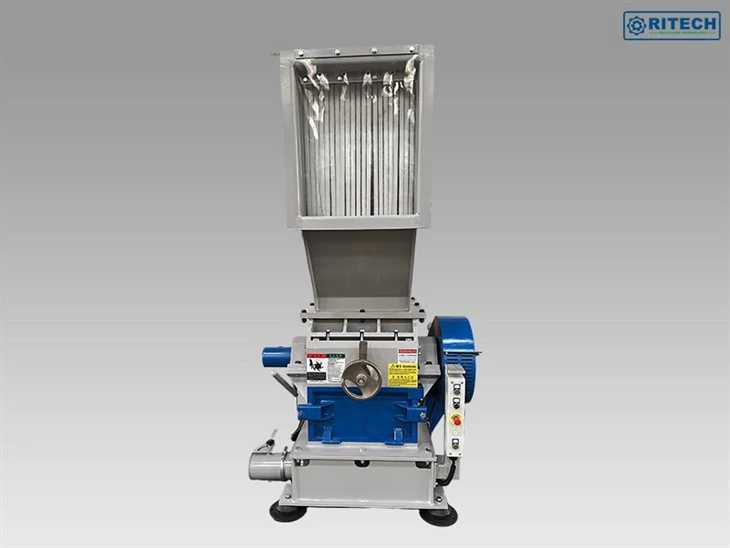

For those processing other plastic or rubber materials, we also offer specialized solutions. If you work with rubber, our Industrial Rubber Granulator is designed to process rubber scraps efficiently, with capacities tailored to different needs. For general plastic recycling, our Plastic Granulator Machine line offers a range of capacities to handle all types of plastic waste, including PVC.
At the end of the day, the capacity of a typical PVC granulator isn’t just a number—it’s a reflection of how well the machine can integrate into your operation, process your specific material, and deliver value for your business. Whether you’re just starting out or looking to expand, taking the time to understand what capacity you actually need will help you make a smart investment that keeps your waste moving and your production running smoothly.
If you’re ready to explore PVC granulator options tailored to your processing volume and goals, we’re here to help. Our team can walk you through different models, explain their capacity specs, and answer any questions you have about optimizing your plastic recycling or manufacturing process. Reach out to us today to discuss your requirements and find the right solution for your business.
References
- Plastic Recycling Equipment Manufacturers Association. (2022). "Industrial Granulator Capacity Standards for PVC Processing." PREMA Technical Report.
- American Society of Mechanical Engineers. (2021). "Design and Operation of Plastic Granulators for High-Volume Recycling." ASME Journal of Manufacturing Science and Engineering.
- European Plastics Converters Association. (2023). "Best Practices for PVC Granulation in Recycling Facilities." EuPC Technical Guidelines.
- Industrial Machinery Digest. (2022). "2022 Guide to PVC Granulators: Capacity, Features, and Selection Criteria."
- Recycling Today. (2023). "Optimizing Plastic Granulator Capacity: Key Factors for Success."


