


Hey there! As a supplier of granulator machines, I'm super stoked to break down the technical specs of these bad boys. Granulator machines are pretty versatile, and they're used in a bunch of industries, from plastics to food processing. So, let's dive right in and take a look at what makes these machines tick.
Size and Capacity
First off, size and capacity are crucial factors. Granulator machines come in all shapes and sizes, and their capacity can vary widely. The size of a granulator is usually determined by the diameter of its cutting chamber. Smaller granulators might have a cutting chamber diameter of around 100 - 200 mm, while larger industrial ones can go up to 1000 mm or more.
The capacity of a granulator is measured in terms of how much material it can process per hour. For small-scale operations, a granulator might have a capacity of 50 - 200 kg per hour. But for large industrial applications, we're talking about capacities of 1000 kg per hour or even more. When you're choosing a granulator, you need to think about how much material you'll be processing on a regular basis. If you're a small business just starting out, a smaller capacity granulator might be all you need. But if you're a big player in the industry, you'll want a high-capacity machine to keep up with demand.
Cutting Mechanism
The cutting mechanism is the heart of a granulator machine. There are two main types of cutting mechanisms: single-shaft and twin-shaft.
Single-shaft granulators have a single rotating shaft with blades attached to it. These blades cut the material as it passes through the cutting chamber. Single-shaft granulators are great for processing softer materials like plastics and rubber. They're relatively simple in design and are often more affordable than twin-shaft granulators.
Twin-shaft granulators, on the other hand, have two counter-rotating shafts with interlocking blades. This design allows for more efficient cutting and is better suited for processing tougher materials like wood and metal. Twin-shaft granulators are generally more expensive, but they offer higher performance and durability.
Motor Power
The motor power of a granulator machine is another important specification. The motor is what drives the cutting mechanism, so a more powerful motor means the granulator can handle tougher materials and process them more quickly.
For small granulators, a motor with a power of 1 - 5 kW might be sufficient. But for larger industrial granulators, you'll need a motor with a power of 10 kW or more. When choosing a granulator, make sure to consider the motor power based on the type of material you'll be processing and the desired processing speed.
Screen Size
The screen size in a granulator determines the size of the granules that are produced. The screen is located at the bottom of the cutting chamber, and the material passes through the screen after being cut.
Smaller screen sizes will produce smaller granules, while larger screen sizes will produce larger granules. The screen size can usually be adjusted depending on your specific needs. For example, if you're using the granules for a specific application that requires a certain size, you can choose the appropriate screen size.
Safety Features
Safety is always a top priority when it comes to industrial machinery, and granulator machines are no exception. Most granulators come with a variety of safety features to protect the operator and prevent accidents.
Some common safety features include emergency stop buttons, safety guards, and overload protection. Emergency stop buttons allow the operator to quickly stop the machine in case of an emergency. Safety guards prevent the operator from coming into contact with the cutting mechanism, and overload protection prevents the motor from overheating or burning out.

Our Product Range
At our company, we offer a wide range of granulator machines to meet the needs of different industries. We have Pallet Grinder Machine that are perfect for processing pallets and other wooden materials. These machines are designed to be efficient and reliable, and they can handle large volumes of material.
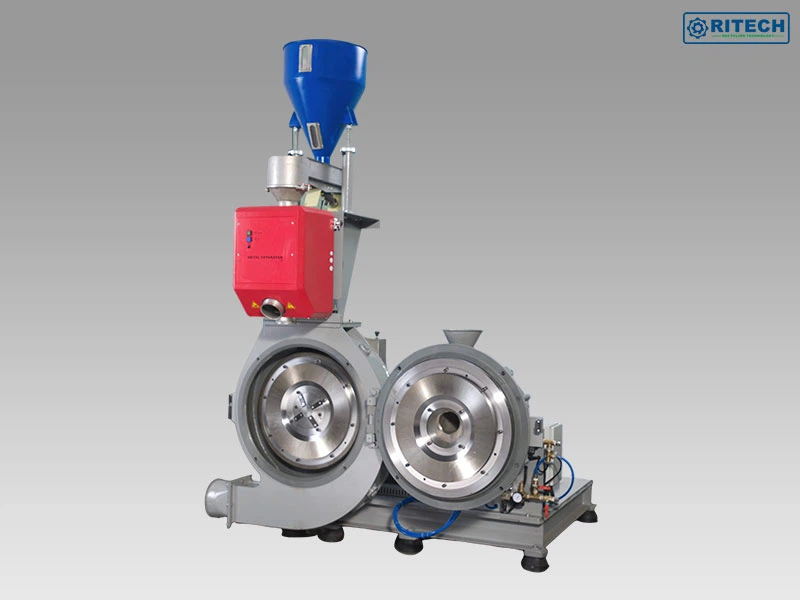
We also have Plastic Powder Mill Machine that are specifically designed for processing plastics. These machines can produce high-quality plastic powder that can be used in a variety of applications.
And if you're in need of a powerful industrial machine, our Industrial Plastic Grinder Machine is the way to go. This machine is built to handle tough plastic materials and can process them at high speeds.
Why Choose Our Granulator Machines?
There are a few reasons why you should choose our granulator machines. First of all, we use high-quality materials and components in our machines, which ensures their durability and reliability. Our machines are also designed to be easy to operate and maintain, which means you can save time and money in the long run.
In addition, we offer excellent customer service. Our team of experts is always available to answer your questions and provide you with technical support. We also offer training and installation services to make sure you get the most out of your granulator machine.
Let's Connect
If you're interested in learning more about our granulator machines or have any questions about the technical specifications, don't hesitate to reach out. We'd love to have a chat with you and see how we can help you find the perfect granulator for your needs. Whether you're a small business or a large industrial company, we have the right solution for you. So, drop us a line and let's start the conversation!
References
- Smith, J. (2020). Industrial Granulator Machines: A Comprehensive Guide. Industrial Machinery Journal.
- Johnson, R. (2019). The Basics of Granulator Machine Technology. Manufacturing Today Magazine.


