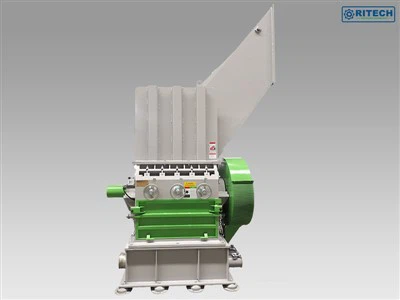
Hey there! As a supplier of Plastic Powder Mill Machines, I get asked a lot about what pre - treatment plastic waste needs before using our machines. In this blog post, I'm gonna break it down for you, step by step.
Sorting
The first and most crucial step in pre - treating plastic waste is sorting. Plastic comes in all sorts of types, each with its own set of properties. Polyethylene (PE), Polypropylene (PP), Polyvinyl Chloride (PVC), and Polystyrene (PS) are some of the most common plastics. Mixing different types of plastics can mess up the powder - making process in our Plastic Powder Mill Machines.
For instance, PVC releases harmful chlorine gas when heated. If you mix PVC with other plastics during the milling process, it not only affects the quality of the powder but also poses a health risk. That's why it's super important to separate plastics by type. You can use visual inspection for obvious differences, but for more accurate sorting, near - infrared (NIR) technology can be a game - changer. NIR can quickly identify the type of plastic by analyzing the way it absorbs infrared light. This tech helps in getting a pure batch of a single plastic type, which is ideal for our machines.
Cleaning
After sorting, the next logical step is cleaning. Plastic waste is usually dirty, covered in dust, dirt, grease, or other contaminants. These impurities can cause problems during the milling process. For example, dirt particles can wear down the blades of our Plastic Powder Mill Machines faster, reducing their lifespan. Grease can also clog the machine, leading to uneven powder production.
You can clean plastic waste in a few ways. A simple method is to soak the plastic in a soapy water solution. This helps to loosen dirt and grease. Then, use a high - pressure water jet to rinse it off. For more stubborn stains, you might need to use some mild chemical cleaners. Just make sure to follow the safety guidelines when using chemicals. And after cleaning, it's essential to dry the plastic thoroughly. Moisture in the plastic can cause issues such as clumping during the powdering process, affecting the final product's quality.
Size Reduction
Size reduction is another key pre - treatment step. Large plastic items need to be cut down to a manageable size before they can be fed into our Plastic Powder Mill Machines. Big chunks of plastic can jam the machine and cause operational failures.
There are different tools and machines available for size reduction. Plastic Grinders & Granulators are great for this job. They can break down large plastic pieces into smaller granules. These granules are easier to handle and can be smoothly processed by our Plastic Powder Mill Machines. Other options include Cable Wire Grinder Machine and Wire Grinder Machine if you're dealing with plastic - coated wires or cables. These machines can separate the plastic from the wire and reduce its size at the same time.
Removing Metal and Other Non - Plastic Parts
Plastic waste often comes with non - plastic parts like metal clips, screws, or labels. These non - plastic components can cause serious damage to our Plastic Powder Mill Machines. Metal parts can dull the cutting blades or even break them, leading to costly repairs.
To remove metal, you can use magnetic separators. These are simple devices that use magnets to attract and pull out ferrous metals from the plastic waste. For non - ferrous metals, eddy current separators can be used. These separators create an alternating magnetic field that repels non - ferrous metals, separating them from the plastic. Labels can be removed through processes like chemical stripping or mechanical rubbing.
Inspection
Once all the pre - treatment steps are done, it's important to do a final inspection. Look for any remaining impurities, mis - sorted plastics, or improperly sized pieces. This final check ensures that the plastic waste is in the best possible condition for our Plastic Powder Mill Machines. Even small errors in the pre - treatment can lead to significant problems during the powder - making process, affecting the quality of the final product.
Why Pre - Treatment Matters for Our Machines
Now, you might be wondering, why all this fuss about pre - treatment? Well, proper pre - treatment directly impacts the performance of our Plastic Powder Mill Machines. When the plastic waste is sorted, cleaned, sized right, and free of non - plastic parts, the machine runs more smoothly. It reduces the risk of breakdowns, improves the quality of the plastic powder produced, and extends the lifespan of the machine.
For example, a machine that processes clean, well - sorted plastic will have less wear and tear on its internal components. The blades will stay sharp for longer, and the powder output will be more consistent. This means less maintenance and better results for you, the customer.
The Benefits You Get
Investing in proper pre - treatment not only helps our machines but also brings a bunch of benefits to you. First off, you'll get a higher - quality plastic powder. This powder can be used in a wide range of applications, from manufacturing new plastic products to 3D printing. The better the quality of the powder, the better the end - product will be.
Secondly, it's cost - effective in the long run. By reducing machine breakdowns and maintenance needs, you save money on repairs and replacement parts. Also, the higher - quality powder can be sold at a better price, increasing your profit margins.
Wrapping It Up
So, there you have it! Sorting, cleaning, size reduction, removing non - plastic parts, and inspection are the main pre - treatment steps for plastic waste before using our Plastic Powder Mill Machines. Taking your time to do these steps right will ensure that you get the most out of our machines.
If you're interested in learning more about our Plastic Powder Mill Machines or need advice on pre - treatment processes, don't hesitate to reach out. We're here to help you make the most of your plastic recycling efforts and answer any questions you might have.


References
- "Plastic Recycling: Principles and Practice" by Bart Van Geem, et al.
- Technical reports on plastic waste management from industry associations.
- Research papers on plastic sorting and cleaning technologies.