


Hey there, thanks for stopping by! If you’ve ever been deep in the industrial recycling or waste processing game, you’ve probably heard about twin shaft shredders—these bad boys are workhorses for breaking down all sorts of bulky materials that single-shaft machines just can’t handle. As someone who’s been in the twin shaft shredder machine supply game for years, I get asked all the time: “Wait, what are the actual different models out there? Which one’s right for my setup?” So today, I’m breaking down the most common twin shaft shredder models, what makes each tick, and how to figure out which fits your needs. Let’s dive in.
First off, let’s keep the basics quick so we’re all on the same page: a twin shaft shredder has two parallel, counter-rotating shafts with interlocking blades. That counter-rotation is key—it pulls material in from both sides, crushes it between the blades, and slows things down enough to avoid jams or overheating. But not all twin shaft shredders are created equal. Models differ based on blade design, motor power, frame size, and even how they handle specific materials. Let’s run through the main ones you’ll find in industrial settings.
First up, the Standard Heavy-Duty Twin Shaft Shredder. This is the bread and butter model—what most people picture when they say “twin shaft shredder.” It’s built for general-purpose bulk waste: things like plastic drums, pallets, scrap metal (light stuff, not thick steel), wood waste, and even municipal solid waste like old mattresses. The blades here are usually made of hardened steel, with a simple, evenly spaced tooth pattern. The motor on these ranges from 15 kW to 75 kW, depending on the frame size. What makes this model stand out is its versatility—it can handle pretty much any non-sticky, non-explosive bulky material without needing custom tweaks. I’ve sent these to auto parts recyclers, packaging plants, and even construction sites demoing old wood and plastic. One thing to note: if you’re working with materials that get gummy or stretchy, this standard model might not be your best bet—but if you’re just starting out or need a workhorse for mixed waste, this is the go-to.
Next, the Low-Speed High-Torque (LSHT) Twin Shaft Shredder. This is the next-level model for tough, dense materials. Where the standard model runs at like 10-30 RPM, the LSHT is even slower—think 5-20 RPM—but with way more torque. That torque is what lets it tackle stuff the standard model can’t: thick plastic pipes, heavy-duty pallets with metal fasteners, whole tires, and even small electronics housings. The blades here are thicker, too—sometimes up to 50mm, with a more rugged, blocky tooth design that doesn’t bend under pressure. The motor power on these is usually 50 kW to 150 kW. I’ve sold a ton of these to tire recycling facilities because they can take a whole tire, strip off the rubber, and break the bead without damaging the machine. If you’re dealing with materials that are dense or have embedded debris, this is the model you want. Just a heads up: because it’s slower, it’s not for high-volume production runs—more for breaking down big, hard chunks before further processing.
Then there’s the Pre-Shredder Twin Shaft Shredder. Wait, what’s the difference between a regular twin shaft shredder and a pre-shredder? Simple: the pre-shredder is designed to take ultra-bulky, oversized materials and break them down into a uniform, consistent size that works for downstream processing. Think whole refrigerators, industrial barrels, construction debris like concrete chunks (light concrete, not reinforced with rebar), or even ship parts from small vessels. The key here is the output size—pre-shredders are set to cut material into 50-200mm pieces, not the fine 5-20mm you’d get from a granulator. That makes them perfect as a first step in a recycling line. For example, if you’re processing plastic waste, you’d send big industrial pallets to a pre-shredder first, then maybe to a Plastic Granulator Machine to turn it into tiny, uniform granules you can reuse. If you’re into PVC recycling, this model pairs great with a PVC Crusher Machine too—pre-shred the big PVC pipes first, then use the crusher to get smaller pieces for granulation. I always tell people: don’t skip the pre-shredder step if your raw material is bigger than your downstream machine’s feed size. It saves time, clogs, and wear on your other equipment.
Wait, let’s talk about the Wet Twin Shaft Shredder next. This is a specialized model for materials that are wet, sticky, or produce a lot of dust when shredded. Why does that matter? Regular twin shaft shredders can get clogged with wet plastic, food waste, or rubber, and dust is a fire hazard (big no-no in industrial settings). The wet model has sealed shafts and blade recesses to keep material from getting stuck, and it often has a water spray system built right in—you can use that to keep dust down or even help break down sticky material like wet cardboard or food scraps. I’ve used these (and sold them) for places processing food packaging, organic waste for composting, and even wet rubber. The water doesn’t damage the blades because they’re made of corrosion-resistant hardened steel, so you don’t have to worry about rust or degradation. If you’re working with wet or dusty materials, this is the model you can’t go wrong with—no more stopping mid-shred to clear a jam because of sticky waste.
Another one that’s super popular these days is the Dual-Function Twin Shaft Shredder. This model does double duty: it shreds and separates material in one pass. Wait, how? It has built-in screens or magnetic inserts in the shafts that let you separate ferrous metals from shredded waste as it’s processed. So if you’re shredding old appliances that have metal parts mixed with plastic, this model will tear the whole appliance apart, catch the steel and iron, and let the plastic fall through for further processing. That’s a game-changer for auto recyclers and e-waste processors—no need for a separate magnetic separator line. The blades on these are designed to be less aggressive on the metal side, so you don’t bend or destroy the metal pieces you want to recover. I’ve sent these to places that process end-of-life electronics, and they love how it cuts their total processing steps in half. Less equipment, less space, less labor—who doesn’t want that?

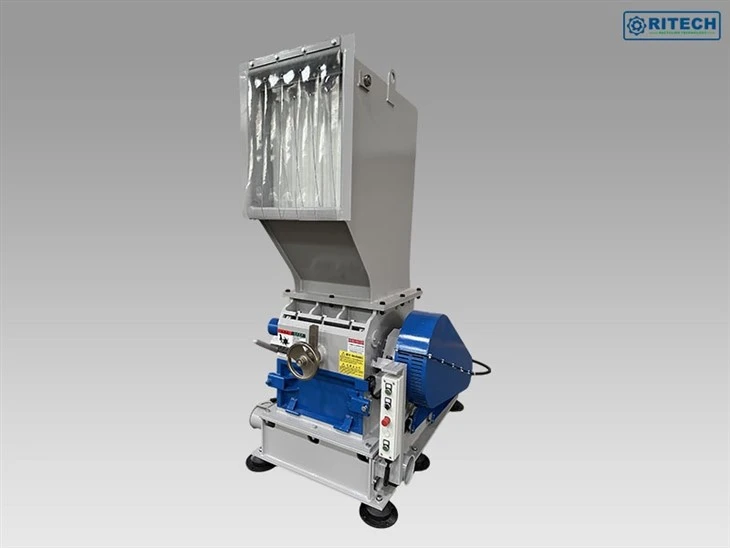
Now, let’s talk about what to consider when picking a model, because even if you know the types, you need to match it to your specific job. First, material type: like I said earlier, if you’re doing tires, you can’t use a standard model—you need that LSHT power. If you’re doing food waste, go wet. Second, production volume: if you need to shred 10 tons of plastic a day, a standard model with a higher RPM (still low, don’t get me wrong) will be faster than an LSHT. If you’re only shredding a few tons a week of big pallets, the slower, higher-torque model is fine. Third, downstream equipment: if you’re planning to send your shredded material to a Plastic Recycling Granulator Equipment, you need to make sure your twin shaft shredder’s output size is right. Too big, and the granulator will jam; too small, and you’re wasting energy. Same with a Tyre Crusher Machine—if you’ve shredded whole tires, the output has to be the right size for the crusher to work efficiently. I always tell new customers to tell me what their end product is, and I can point them to the exact model that pairs best with their other machines.
Wait, let’s bust a common myth here: a lot of people think bigger frame = better. Not always. If you have a small workshop and only need to shred small plastic bins, a big industrial twin shaft shredder is overkill—will cost more, take up more space, and use more electricity. There are even compact twin shaft shredder models for small businesses or workshops that don’t need the heavy-duty power. Those run at lower motor sizes (like 5 kW to 15 kW) and are perfect for small-scale recycling, like a local plastic shop turning scrap into new materials. I’ve had a few small business owners come to me looking for something that fits in their 10x10 space, and the compact model works great—no need for a huge unit when you’re only doing a couple hundred pounds a day.
Another thing to keep in mind: maintenance. Different models have different upkeep needs. The LSHT has thicker blades, so they last longer but are more expensive to replace when they do wear out. The standard model has thinner blades that are cheaper to replace but might need more frequent changes if you’re processing tough material. The wet model needs regular checks on the water spray nozzles to make sure they don’t get clogged with material. The dual-function model needs the magnetic inserts cleaned every so often. I always make sure to walk customers through the maintenance schedule for their model before they buy—no surprises down the line.
Let me give you a real example to make this concrete. Last year, a local tire recycling shop reached out to me. They were processing old car tires, and their old single-shaft shredder was jamming all the time, and they were having a hard time breaking the bead (the steel wire inside the tire). I showed them the LSHT twin shaft shredder, paired with a Tyre Crusher Machine downstream. The LSHT took whole tires, broke them down into 100mm chunks, separated the steel bead, and then the crusher turned the rubber into fine granules they could sell to a rubber mulch company. They told me later that their downtime went from 3 days a week to 4 hours a week—total game-changer. That’s exactly the kind of fit we’re talking about when matching the right model to your needs.
Another example: a packaging plant that produces a lot of plastic pallets and drums, some with metal fasteners, some with wood mixed in. They had a standard twin shaft shredder, but they were having trouble with the metal fasteners wearing out their blades too fast. We swapped them to the pre-shredder model with magnetic inserts—now it grabs the metal fasteners as it shreds, so the blades only deal with wood and plastic, and the metal is collected for recycling. They saved a ton on blade replacements, and their metal recovery rate went up by 20%. That’s the kind of efficiency that makes industrial processing worth it.
So when you’re on the hunt for a twin shaft shredder, don’t just buy the first one you see. Think about what materials you’re shredding, how much you’re shredding, what your end product is, and what downstream equipment you already have. And if you’re not sure, don’t be afraid to ask questions. We’ve helped dozens of clients narrow down the right model, even if they didn’t know exactly what they needed at first.
If you’re in the market for a twin shaft shredder machine, we’ve got all these models (and more) available, plus we can help you pair it with the right auxiliary equipment—like that Plastic Granulator Machine, PVC Crusher Machine, Industrial Rubber Granulator, or Plastic Recycling Granulator Equipment I mentioned earlier. We’re all about matching your setup to your specific needs, no one-size-fits-all nonsense.
When you’re ready to chat, just reach out—we can talk through your project, send over specs, and even help with installation and maintenance down the line. No pressure, just honest advice for anyone in the waste processing or recycling game.
REFERENCES
Industrial Shredder Manufacturers Association (ISMA) 2023 Twin Shaft Shredder Technical Guidelines
Journal of Recycling and Waste Management 2022: “Efficiency of Twin Shaft Shredder Models for Bulk Material Processing”
Industrial Equipment Maintenance Handbook, 4th Edition, 2021: Maintenance Protocols for High-Torque Shredder Systems


