


Hey there! As a supplier of granulator machines, I'm super excited to share with you how a flat die granulator machine works. It's a pretty cool piece of equipment, and understanding its operation can help you make the most of it. So, let's dive right in!
The Basics of a Flat Die Granulator Machine
A flat die granulator machine is a type of equipment used to turn various materials into granules. It's widely used in industries like agriculture, animal feed production, and biomass energy. The main components of a flat die granulator include a flat die, rollers, a motor, and a feeding system.
How It Works: Step by Step
-
Feeding the Material
The process starts with feeding the raw material into the machine. This can be anything from sawdust, straw, or even food waste. The feeding system, usually a hopper, ensures a steady flow of material into the granulation chamber. The material needs to be in the right size and moisture content for optimal granulation. If it's too dry, the granules might not hold together well. If it's too wet, the machine might clog up. -
Compression in the Chamber
Once the material is inside the granulation chamber, the rollers come into action. These rollers press the material against the flat die. The flat die has a bunch of small holes in it. As the rollers push the material through these holes, it gets compressed and takes the shape of granules. The pressure applied by the rollers is crucial. Too little pressure, and the granules won't be dense enough. Too much pressure, and it could put a strain on the machine.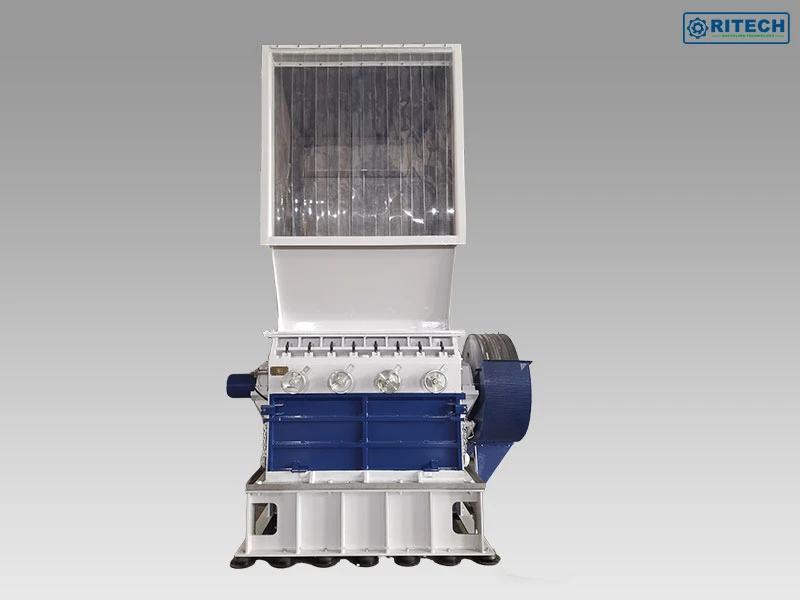

-
Cutting the Granules
As the material is forced through the holes in the flat die, it forms long strands. These strands are then cut into the desired length by a cutting mechanism. This gives us the final granules that we can use for various purposes. The cutting speed can be adjusted depending on the size of the granules you want.
Advantages of Using a Flat Die Granulator Machine
- Cost - Effective: Flat die granulator machines are relatively affordable compared to some other types of granulation equipment. They also have lower energy consumption, which means you save on operating costs in the long run.
- Versatility: They can handle a wide range of materials. Whether you're dealing with wood chips, grass, or agricultural residues, a flat die granulator can turn them into useful granules.
- Easy to Operate: These machines are designed to be user - friendly. You don't need to be a technical expert to operate them. With a little training, anyone can get the hang of it.
Different Applications
- Animal Feed Production: In the livestock industry, flat die granulator machines are used to make animal feed. They can turn grains, hay, and other feed ingredients into uniform granules that are easy for animals to eat and digest.
- Biomass Energy: Biomass materials like sawdust and straw can be granulated into pellets using a flat die granulator. These pellets can then be used as a renewable energy source, either for heating or power generation.
- Food Waste Recycling: Food Waste Grinder Machine can be used in conjunction with a flat die granulator to turn food waste into useful granules. These granules can be used as organic fertilizer or even as a feedstock for biogas production.
Maintenance and Troubleshooting
To keep your flat die granulator machine running smoothly, regular maintenance is essential. Here are some tips:
- Cleaning: After each use, make sure to clean the machine thoroughly. Remove any leftover material from the hopper, the flat die, and the rollers. This helps prevent clogging and ensures the machine operates efficiently.
- Lubrication: The moving parts of the machine, such as the rollers and the bearings, need to be lubricated regularly. This reduces friction and extends the lifespan of the machine.
- Inspection: Periodically inspect the flat die for wear and tear. If the holes in the die are worn out, it can affect the quality of the granules. Replace the die when necessary.
If you encounter any problems with your flat die granulator machine, here are some common issues and solutions:
- Clogging: If the machine is clogged, stop the operation immediately. Check the feeding system to make sure the material is flowing smoothly. You may need to adjust the moisture content of the material or clear any blockages in the hopper or the die.
- Poor Granule Quality: If the granules are not forming properly, it could be due to incorrect pressure settings, worn - out rollers, or an improper die. Check these components and make the necessary adjustments.
Other Related Machines
We also offer other types of granulator machines that might be of interest to you. For example, the Pallet Grinder Machine is great for grinding pallets into smaller pieces that can then be further processed into granules. And if you're dealing with plastic materials, our Plastic Grinders & Granulators are top - notch.
Why Choose Us as Your Supplier
As a granulator machine supplier, we take pride in offering high - quality products. Our machines are built to last, with durable components and advanced technology. We also provide excellent customer service. Whether you have questions about the operation of the machine, need maintenance advice, or are looking for spare parts, our team is here to help.
If you're in the market for a flat die granulator machine or any of our other products, don't hesitate to get in touch. We can discuss your specific needs, provide you with a quote, and help you choose the right machine for your business. Contact us today to start the conversation!
References
- "Principles of Granulation Technology" by John M. McKenna
- "Industrial Granulation Processes" edited by A. D. Salman, P. York, and M. E. Hounslow


