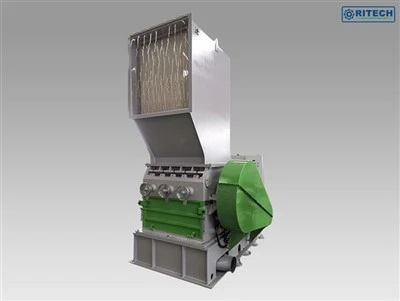
When it comes to installing a pallet grinder machine, determining the appropriate space is crucial for ensuring efficient operation, safety, and long - term functionality. As a trusted pallet grinder machine supplier, we understand the significance of providing our customers with comprehensive information on this topic. In this blog post, we will delve into the various factors that influence the space requirements for installing a pallet grinder machine.
Machine Dimensions
The first and most obvious factor to consider is the physical size of the pallet grinder machine itself. Different models come in a variety of dimensions, which can range significantly depending on the capacity and features of the equipment. Before installation, it is essential to obtain the exact dimensions of the specific machine you plan to purchase. This information is typically available in the product manual or can be provided by the supplier.
Measure the length, width, and height of the machine, and ensure that there is enough clearance around it to allow for easy access during operation, maintenance, and repair. A general rule of thumb is to leave at least 1 - 2 feet of space on all sides of the machine. This will provide sufficient room for operators to move around, open access panels, and perform routine checks.
Accessibility for Loading and Unloading
Pallet grinder machines are used to process pallets, which means that there needs to be a convenient way to load the pallets into the machine and unload the processed materials. Consider the type of loading and unloading methods that will be used. For example, if you plan to use a forklift to load pallets, you need to ensure that there is enough space for the forklift to maneuver safely around the machine.
The area should be wide enough for the forklift to approach the machine, lift the pallets, and place them into the feeding area without any obstructions. Similarly, there should be a clear path for the forklift to remove the processed materials or waste products from the machine. If the machine has an automated conveyor system for loading and unloading, make sure that the conveyor has enough space to operate smoothly and that there is room for the conveyor to extend if necessary.
Ventilation and Dust Collection
Pallet grinding generates a significant amount of dust and debris. Proper ventilation is essential to maintain a safe and healthy working environment. The installation space should have adequate provisions for ventilation systems. This could include exhaust fans, ducts, or air filtration units.
The ventilation system should be able to effectively remove the dust and fumes from the area around the machine. The location of the ventilation inlets and outlets should be carefully planned to ensure optimal air circulation. In addition, a dust collection system is often required to capture the dust at the source. The dust collection equipment, such as a cyclone separator or a baghouse filter, will take up additional space. You need to factor in the size of the dust collection system and ensure that there is enough room to install and maintain it.
Electrical Requirements
Pallet grinder machines are powered by electricity, and the installation space must have the appropriate electrical infrastructure. Determine the power requirements of the machine, including the voltage, amperage, and phase. Make sure that the electrical panel in the installation area can support the power demand of the machine.
There should be a dedicated electrical circuit for the pallet grinder machine to prevent overloading other circuits. The electrical cables should be routed safely and away from any potential sources of damage, such as moving parts of the machine or areas where forklifts operate. Additionally, there should be easy access to the electrical controls and switches for the machine, so they should be located within a reasonable distance from the operator's position.
Maintenance and Service Space
Regular maintenance is essential to keep the pallet grinder machine in good working condition. The installation space should provide enough room for maintenance activities. This includes space for technicians to access the internal components of the machine for inspection, cleaning, and replacement of parts.
There should be sufficient clearance to remove and install large components, such as the grinding blades or the motor. It is also important to have a clean and organized area where spare parts can be stored. This will ensure that maintenance can be carried out efficiently and that the machine can be quickly restored to operation in case of a breakdown.
Noise Considerations
Pallet grinder machines can be quite noisy during operation. If the installation space is in an area where noise can be a problem, such as near an office or a residential area, you need to take measures to reduce the noise. This could involve installing sound - insulating materials around the machine or placing the machine in a sound - proof enclosure.
The sound - proof enclosure will add to the space requirements, so it needs to be factored into the overall space planning. The enclosure should be large enough to accommodate the machine and allow for proper ventilation while still providing effective noise reduction.
Compatibility with Other Equipment
If the pallet grinder machine is part of a larger production line or is to be used in conjunction with other equipment, such as a conveyor system or a sorting machine, the installation space must be designed to ensure compatibility. The machines should be arranged in a logical sequence to minimize the transfer time of materials between them.
The spacing between the machines should be appropriate to allow for easy connection of conveyors or other transfer devices. It is also important to consider the height differences between the machines to ensure that the materials can flow smoothly from one machine to the next.


Space for Expansion
When planning the installation space, it is a good idea to consider future expansion. As your business grows, you may need to upgrade the pallet grinder machine or add additional equipment. Leaving some extra space in the installation area will make it easier to accommodate these changes without having to completely redesign the layout.
This extra space can be used for installing a larger machine or for adding auxiliary equipment such as a secondary dust collection system or a more advanced conveyor system.
In conclusion, installing a pallet grinder machine requires careful consideration of multiple factors related to space. As a pallet grinder machine supplier, we recommend that you consult with our technical team before finalizing the installation site. Our experts can provide you with detailed information on the specific space requirements for your chosen machine and help you plan the installation layout to ensure optimal performance and safety.
If you are in the market for a high - quality pallet grinder machine or have any questions about the installation space requirements, please feel free to reach out to us for a detailed discussion. We are committed to providing you with the best solutions for your pallet processing needs.
In addition to pallet grinder machines, we also offer a range of other grinder machines, such as Plastic Bottle Grinder Machine, Wood Waste Grinder Machine, PET Bottle Grinding Machine, Plastic Scrap Grinder, and Steel Wire Grinder Machine. These machines are designed to meet the diverse needs of our customers in different industries.
References
- Manufacturer's product manuals for pallet grinder machines
- Industry standards for machine installation and safety
- Technical literature on ventilation and dust collection systems for industrial machinery