What is the wear - and - tear rate of components in a waste tire recycling line?
As a supplier of Waste Tire Recycling Line, I've received numerous inquiries from clients about the wear - and - tear rate of components in a waste tire recycling line. Understanding this rate is crucial for businesses in the waste tire recycling industry, as it directly impacts operational costs, maintenance schedules, and overall productivity.
Components in a Waste Tire Recycling Line
A typical waste tire recycling line consists of several key components, each with its own function and susceptibility to wear and tear.
The first component is the tire shredder. This machine is responsible for cutting the waste tires into smaller pieces. The blades of the shredder are constantly in contact with the tough rubber of the tires, which subjects them to significant abrasion. Over time, the sharp edges of the blades will dull, and they may even break if the tires contain foreign objects such as metal wires or stones.
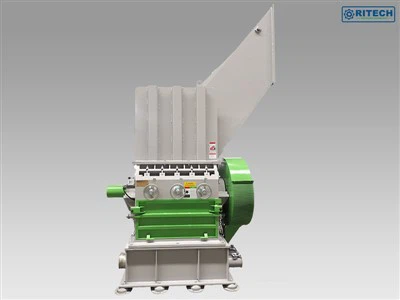
Next is the granulator. After the tires are shredded, the granulator further reduces the size of the rubber pieces into granules. The internal parts of the granulator, including the rotors and screens, are also exposed to high - intensity friction. The rotors spin at high speeds, and the rubber particles rub against them, causing wear on the surface. The screens, which are used to separate the granules of different sizes, can also get clogged or damaged due to the continuous flow of rubber.
The conveyor belts are another important part of the recycling line. They are used to transport the waste tires, shredded pieces, and granules from one machine to another. The belts are subject to tension, friction, and the weight of the materials they carry. This can lead to stretching, cracking, and fraying of the belt material.
The magnetic separator is used to remove metal wires from the rubber particles. The magnets in the separator need to maintain a strong magnetic field, but over time, the magnetic strength may weaken due to factors such as heat and vibration. Additionally, the metal wires can cause scratches and wear on the surface of the separator.
Factors Affecting the Wear - and - Tear Rate
Several factors influence the wear - and - tear rate of components in a waste tire recycling line.
The quality of the waste tires is a significant factor. Tires with a high content of metal wires or other foreign objects will cause more wear on the shredder blades and other components. For example, if the tires are from heavy - duty vehicles, they may have thicker sidewalls and more metal reinforcement, which increases the stress on the shredder.
The operating conditions also play a role. High - speed operation can increase the wear rate of components. If the machines in the recycling line are running at maximum capacity for long periods, the friction and heat generated will accelerate the wear of the internal parts. Temperature and humidity can also affect the wear rate. In a hot and humid environment, the rubber may become softer, which can increase the adhesion between the rubber and the machine parts, leading to more wear.
The maintenance and lubrication of the components are crucial. Regular maintenance, such as blade sharpening, cleaning of the granulator screens, and belt tension adjustment, can significantly reduce the wear - and - tear rate. Proper lubrication of the moving parts can also minimize friction and heat, thereby extending the lifespan of the components.
Measuring the Wear - and - Tear Rate
Measuring the wear - and - tear rate of components in a waste tire recycling line is not an easy task. One common method is to monitor the performance of the components over time. For example, if the shredder is taking longer to cut the tires or the granulator is producing fewer granules of the desired size, it may indicate that the components are wearing out.
Another approach is to measure the physical dimensions of the components at regular intervals. For the shredder blades, the thickness and sharpness can be measured. For the conveyor belts, the width and length can be checked to detect any stretching or shrinkage.
In some cases, advanced sensors can be installed in the machines to monitor parameters such as temperature, vibration, and power consumption. An increase in temperature or vibration may suggest excessive wear, while a change in power consumption can indicate a decrease in the efficiency of the component.
Reducing the Wear - and - Tear Rate
To reduce the wear - and - tear rate of components in a waste tire recycling line, several strategies can be adopted.
Firstly, it is important to select high - quality components. Investing in durable shredder blades, granulator rotors, and conveyor belts can significantly extend the lifespan of the machines. High - quality components are often made of better materials and have more precise manufacturing processes, which can withstand the harsh operating conditions in a recycling line.
Secondly, proper pre - treatment of the waste tires can reduce the wear on the components. This includes removing as many foreign objects as possible from the tires before they enter the shredder. For example, a simple manual inspection or the use of a pre - sorting machine can help identify and remove large metal objects.
Regular maintenance and lubrication are also essential. Establishing a strict maintenance schedule and following it religiously can prevent minor wear from turning into major problems. Lubricating the moving parts at the recommended intervals can reduce friction and heat, which in turn reduces wear.
The Impact of Wear - and - Tear on the Recycling Line
The wear - and - tear of components in a waste tire recycling line can have a significant impact on the overall operation of the line.
From a cost perspective, frequent replacement of worn - out components can be expensive. The cost of new parts, as well as the labor cost for installation, can add up quickly. Moreover, the downtime caused by component replacement can result in lost production and revenue.


In terms of productivity, worn - out components can reduce the efficiency of the recycling line. For example, a dull shredder blade will take longer to cut the tires, which slows down the entire process. A damaged conveyor belt may cause material blockages, leading to interruptions in the production flow.
The quality of the recycled products can also be affected. If the granulator screens are worn or clogged, the size of the rubber granules may not meet the required standards. This can reduce the marketability of the recycled products.
Conclusion
In conclusion, understanding the wear - and - tear rate of components in a waste tire recycling line is essential for businesses in this industry. By knowing the factors that affect the wear rate, measuring it accurately, and adopting strategies to reduce it, companies can improve the efficiency, productivity, and profitability of their recycling operations.
If you are in the market for a waste tire recycling line or need more information about the wear - and - tear of its components, we are here to help. Our team of experts can provide you with detailed technical advice and customized solutions to meet your specific needs. Contact us to start a discussion about your waste tire recycling project.
References
- Smith, J. (2020). "Waste Tire Recycling Technology: A Comprehensive Guide". Published by Green Press.
- Brown, A. (2019). "Factors Affecting the Wear of Industrial Machinery". Journal of Industrial Engineering, Vol. 35, No. 2.
- Johnson, R. (2021). "Maintenance Strategies for Waste Tire Recycling Equipment". International Journal of Recycling, Vol. 12, No. 4.