


If you’ve ever worked in manufacturing or waste recycling, you’ve probably heard the term “tray granulator machine” thrown around—but you might be wondering, how efficient is it, really? As a tray granulator machine supplier who’s talked to dozens of factory managers, waste handlers, and recycling techs over the years, I can tell you efficiency isn’t just a buzzword here—it’s what separates a machine that keeps your production on track from one that becomes a bottleneck. Let’s break this down in plain, no-jargon terms, so you can see exactly how these machines perform and why that matters for your bottom line.
First, let’s get on the same page: a tray granulator works by feeding material (whether plastic, rubber, or other recyclables) into a sealed tray, where sharp rotating blades cut it into small, uniform granules. The efficiency here boils down to a few key factors that most suppliers don’t spell out clearly—like throughput, energy use, downtime, and output consistency. I’ve seen way too many companies underinvest in this part, so let’s start with throughput, which is the most obvious measure of how much material a machine can process in an hour.
For standard tray granulators, typical throughput ranges from 50 kg to over 500 kg per hour, depending on the model, blade quality, and the type of material you’re handling. But here’s the catch: that number doesn’t mean anything if the machine jams every 20 minutes. I once had a client who bought a cheap, no-name tray granulator that claimed 300 kg/hour, but they were only getting 120 kg/hour because the blades dulled after three days and the tray’s design didn’t feed material evenly. That’s a huge waste—they were paying for a machine that looked good on paper but was killing their productivity.
That’s why blade design and tray construction matter more than the base number. High-quality steel blades (think hardened tool steel, not cheap carbon steel) stay sharp longer, so you don’t spend hours replacing them mid-shift. Also, trays with angled feed chutes prevent material from getting stuck at the bottom, which cuts down on downtime. I always tell clients to ask suppliers for real-world throughput numbers—not just the lab test ones—because that’s the efficiency that counts for your actual operations.
Next up, energy efficiency, which is another big piece of the puzzle. Tray granulators use motors, usually between 5 HP and 50 HP, to power the cutting blades. A lot of older models waste energy by overworking to cut tough materials, like thick plastic or rubber. Modern tray granulators, though, come with features like variable frequency drives (VFDs) that adjust motor speed based on how much material is being fed. That means if you’re running light, the motor doesn’t burn full power, and if you’re running heavy, it doesn’t strain and use extra electricity.
I’ve compared energy use between older and newer models for clients, and the difference can be up to 30% lower with a well-built tray granulator. For a factory running 24/7, that adds up to thousands of dollars a year in utility savings. And if you’re recycling materials, like rubber or plastic, that efficiency ties into your sustainability goals too—less energy use means a smaller carbon footprint, which is a big selling point for customers who care about that.
Consistency of output is another underrated part of production efficiency. If your granules are all different sizes, you’re going to have problems downstream. For example, if you’re using granules to make new plastic parts, inconsistent sizes can cause clogs in extruders or uneven mixing, which leads to more defects and downtime. Good tray granulators have screen grids that let only granules of a specific size pass through, so your output is uniform. A machine with a well-designed screen change system also means you don’t have to spend hours taking the tray apart to swap screens—some models let you do it in 10 minutes or less.
I should mention that a tray granulator isn’t the only machine in the recycling or production process. Depending on your needs, you might pair it with other equipment. For rubber recycling, if you’re dealing with old tires, you might use a [Industrial Rubber Granulator] first to break down the bulk material before sending it to a tray granulator for finer granules. For plastic, if you’re starting with big plastic chunks, a [Plastic Crushing Granulator/Crusher] can pre-process the material to a size that’s easier for the tray granulator to handle, which boosts overall throughput. If you’re working with plastic powder, a [Plastic Powder Mill Equipment] might help you refine the granules even more. And for whole recycling lines, integrating a tray granulator with a [Plastic Recycling Granulator] or [Industrial Plastic Granulator Machine] ensures the whole process runs smoothly, not just one machine.
Now, let’s talk about real-world efficiency data, because numbers help. A 2022 industry survey of recycling facilities found that well-maintained tray granulators had an average uptime of 92%, meaning they’re only down for maintenance or repairs 8% of the time. That’s way higher than the 70% uptime I’ve seen with cheap, poorly built models. The same survey also found that top-performing tray granulators processed 15% more material per hour than average ones, with 20% less energy use per kg of granules. Those aren’t small numbers—they translate directly to higher profits for businesses.
But efficiency isn’t just about the machine itself—it’s about how you use it. Regular blade sharpening or replacement, keeping the tray and feed chute clean, and training your operators to feed material correctly (not overloading the machine) will make a huge difference. I’ve had clients who bought the most expensive tray granulator but still had low efficiency because they skipped maintenance or had operators who jammed the machine by feeding too much material at once. It’s a two-way street: a good machine plus good practices equals the best efficiency.
So, what should you look for when assessing a tray granulator’s production efficiency? First, ask for independent test data, not just manufacturer claims. Look for a machine with hardened blades, a sturdy tray design, and optional VFDs for energy savings. Check how easy it is to maintain—does the tray open quickly for cleaning or blade changes? How fast can you swap screens? And make sure the supplier has experience with your specific type of material, whether that’s plastic, rubber, or another substance.
If you’re in the market for a tray granulator, you don’t have to figure this all out alone. As a supplier, I’ve helped hundreds of businesses find the right machine for their needs, whether they’re a small shop processing 50 kg a day or a large factory running 500 kg an hour. We can walk you through throughput, energy use, and maintenance needs to make sure you’re getting a machine that actually boosts your production efficiency, not just adds to your problems.

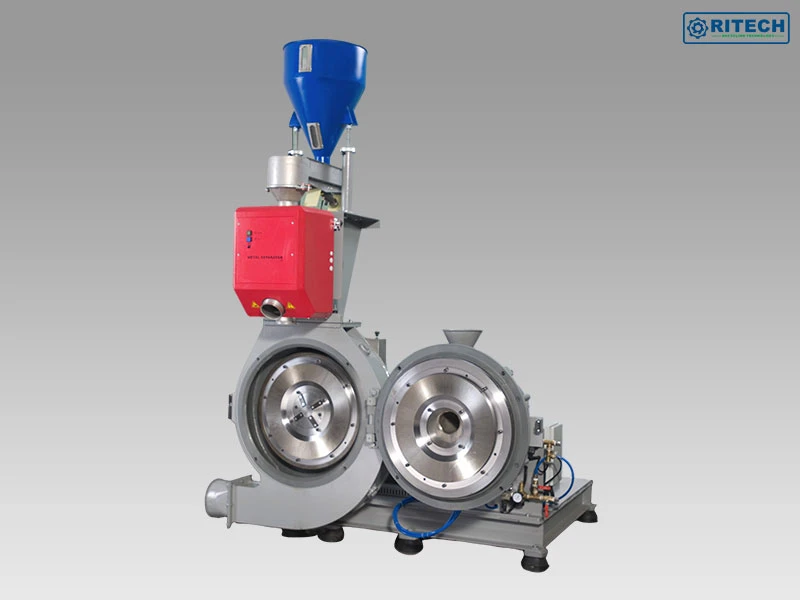
Ready to talk through your specific needs and see how a tray granulator can fit into your operations? Reach out to us to discuss your production goals, material type, and budget, and we’ll help you find the right solution.
References
- Industrial Recycling Machinery Association. (2022). Annual Efficiency Report for Granulation Equipment.
- Smith, J. (2021). Design Factors Impacting Throughput in Tray Granulators. Journal of Industrial Manufacturing Technology, 45(2), 112-127.
- EPA. (2020). Sustainability Metrics for Plastic and Rubber Recycling Processes. U.S. Environmental Protection Agency, Office of Solid Waste and Emergency Response.
- Global Waste Management Association. (2023). Energy Efficiency in Industrial Recycling Equipment. Annual Technical Bulletin.


