


If you've ever worked in plastic recycling, waste management, or manufacturing, you've probably seen ZERMA granulators hard at work—turning bulky plastic waste into uniform, reusable granules that feed into everything from new packaging to construction materials. But when it comes to powering these robust machines, there's a lot more to it than just picking "electric" or "diesel." As a ZERMA granulator supplier with years of experience matching the right power source to each customer's unique needs, I've learned that the best choice depends on location, workload, and even the type of material you're processing. Let's break down the power sources that make ZERMA granulators tick, and how to pick the one that works for you.
First, let's start with the most common power source you'll find in ZERMA granulators: electric power. For almost every indoor recycling facility, manufacturing plant, or centralized waste processing site, electric drive is the standard—and for good reason. ZERMA designs most of its production granulators (including our flagship line of Plastic Granulator Machine) with high-efficiency electric motors, tailored to handle everything from thin film to thick PP/PE pipes. The motors are sized precisely based on the machine's rotor diameter and cutting chamber, so you get consistent power without wasting energy on overloading.
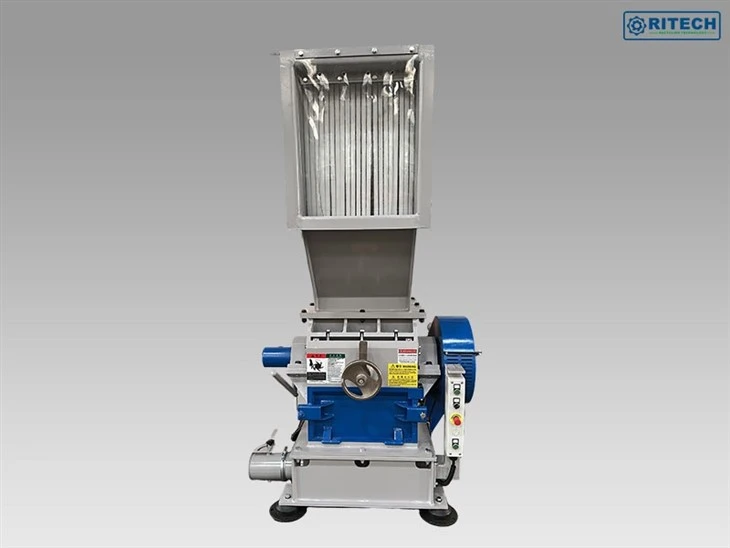
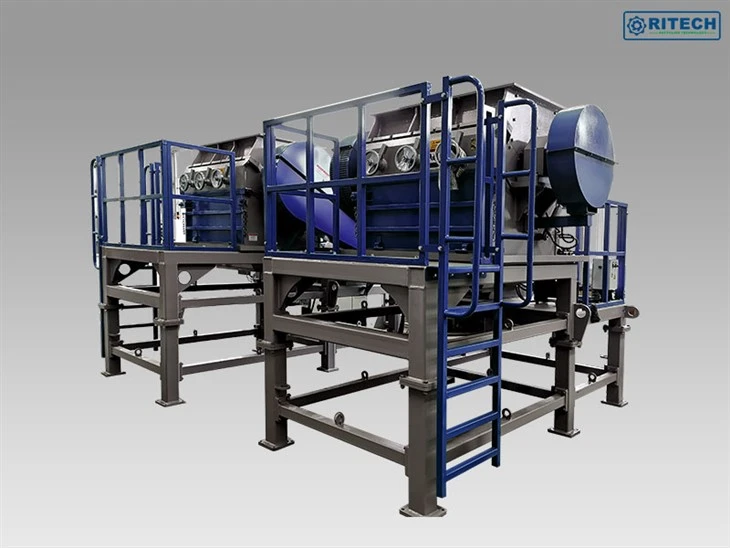
What makes electric power stand out for stationary operations is reliability and cost-effectiveness long-term. Unlike diesel engines, which require constant refueling, oil changes, and engine maintenance, electric motors have far fewer moving parts, lower running costs, and minimal downtime. For example, a mid-sized ZERMA granulator processing PET bottles for a urban recycling center will use a 37kW or 55kW electric motor, drawing consistent power from the grid to keep the rotor spinning at 18 to 30 meters per second—exactly the speed needed to break down PET without overheating. This is why most of our customers processing materials like PET, film, and bottles opt for electric: it integrates seamlessly into their existing facility infrastructure, and it's quieter, too, which is a big plus for plants located near residential areas.
But electric power isn't one-size-fits-all. What if you're working in a remote location, like a rural tire recycling site or a construction waste depot with no access to the grid? That's where diesel power comes into play, though ZERMA offers diesel options only for specific, heavy-duty granulators built for off-grid use. These models are designed to withstand the vibration and dust that come with outdoor operations, with rugged diesel engines that deliver the high torque needed to process thick, tough materials like whole tires or large plastic pipes.
It's important to note that ZERMA doesn't use standard car or truck diesel engines for its industrial granulators. Instead, they pair industrial-grade diesel engines with advanced control systems that match power output to the load—so the engine doesn't burn unnecessary fuel when processing lighter batches. For example, our diesel-powered Tire Granulator Equipment is built for remote sites where grid power is unavailable, delivering consistent 75kW to 110kW of power to handle rubber and steel-reinforced tire chunks. The tradeoff here is higher fuel and maintenance costs: these engines need regular filter changes, oil top-ups, and periodic tune-ups to keep running, which is why they're only recommended for off-grid or temporary sites.
Wait a minute—are there other power sources? Over the years, we've also seen customers ask about hybrid systems, especially for sites that have partial grid access or operate in areas with frequent power outages. ZERMA offers optional hybrid packages for some of its larger granulators, combining a small electric motor (for when grid power is stable) with a compact diesel generator (as a backup). This setup is perfect for sites that process materials around the clock: during the day, when grid power is reliable, they run on electric to save money; at night or during outages, the diesel generator kicks in to keep the granulator running, so production doesn't stop. It's a flexible solution that's become more popular as renewable energy sources (like on-site solar panels paired with battery storage) grow more affordable.
But let's get specific: what power source works best for different types of ZERMA granulators, and why? Let's break it down by material, because that's the biggest factor for most customers. If you're processing light, high-volume materials like plastic film or small bottles, you'll want an electric granulator. Electric motors are designed for continuous, steady operation, which is ideal for Film & Bottle Granulator Mahicne lines that might process hundreds of kilograms of thin film a day. The consistent speed of an electric motor also ensures that you get uniform granules, which is critical for recycling processes that require consistent feedstock.
For thicker, more dense materials, like PP/PE pipes or heavy tire chunks, you need more torque—and that's where either a high-voltage electric motor or a diesel engine comes in. PP/PE pipes are tough, and require a sharp rotor and high torque to break into pieces small enough for regranulation. Our PP/PE Pipes Crusher lines are available in both electric (for grid-connected facilities) and diesel (for construction or demolition sites that process pipe waste on-site). Electric models for pipe processing often use 75kW to 160kW motors, which deliver the torque needed to bite into thick plastic without stalling, while diesel models for the same task have similar power outputs but don't rely on the grid.
Now, let's talk about what ZERMA's power systems are designed to avoid. A common mistake new customers make is assuming that a more powerful power source is always better. But ZERMA engineers size every motor or engine to match the granulator's cutting chamber size and rotor design. For example, a small granulator for lab use or small businesses only needs a 7.5kW electric motor—bigger wouldn't make it more efficient, just more expensive to run. For large industrial granulators that process several tons of material an hour, you need 160kW to 250kW, and ZERMA ensures that the power delivery is smooth, so the rotor doesn't jerk or damage the cutting blades when processing hard material.
As a supplier, I always recommend that customers ask themselves three questions when choosing a power source: 1) Do I have access to reliable grid power? 2) Will the granulator be used indoors or outdoors? 3) What type and volume of material will I be processing? Let's say you're a small to mid-sized recycling company processing PET bottles: grid power is available, materials are medium-density, so an electric PET Crusher Recycling Equipment is the way to go. If you're a demolition contractor processing large plastic pipes at a site far from the grid, a diesel-powered PP/PE Pipes Crusher is the smarter choice.
I've worked with customers who made the wrong choice and ended up with expensive downtime. A few years back, a recycling company in a rural area bought an electric granulator because it was cheaper upfront, only to realize that their local grid had frequent power outages that shut down production for days. They had to retrofitting it with a diesel generator, which cost them more in the long run. Another customer, a large urban recycling plant, bought a diesel granulator because they thought it was "more powerful," but quickly realized that the diesel engine burned twice as much fuel as an electric model for their PET processing, and the noise and exhaust emissions led to complaints from nearby residents.
That's why ZERMA's design philosophy focuses on matching power source to application, not just horsepower. Every power option—electric, diesel, hybrid, and even optional solar-assisted systems for some models—has been tested to handle the specific demands of ZERMA's granulators. For example, electric ZERMA granulators use variable frequency drives (VFDs) that adjust motor speed based on the load, so when you're processing a softer material like film, the motor runs slower to save energy, and when you hit a harder piece like a pipe end, it speeds up to maintain torque. That's a level of efficiency that diesel engines can't match, since they run at a fixed or narrow range of speeds.
Another point to consider: emissions and regulatory requirements. Many regions now have strict rules on noise and exhaust emissions for industrial equipment, especially in urban or residential areas. Electric ZERMA granulators produce zero exhaust emissions and are much quieter (usually under 75 decibels, which is comparable to a normal conversation) than diesel models, making them the only compliant option in areas with noise or emissions regulations. That's why most of our customers in Europe, North America, and parts of Asia opt for electric granulators, even if they have the option for diesel. Diesel models are still allowed, but only in designated industrial zones or remote areas where emissions rules are less strict.
So, to sum up the power sources for ZERMA granulators: the most common is electric, designed for grid-connected, stationary operations processing light to medium materials. Diesel is for off-grid, heavy-duty applications processing tough materials like tires or pipes. Hybrid systems are a middle ground for sites with partial grid access. The key is to match the power source to your location, workload, and compliance needs.
If you're in the market for a ZERMA granulator, whether for plastic recycling, tire processing, or any other application, getting the power source right is critical to maximizing productivity and minimizing costs. Our team can help you assess your specific needs, whether you're looking for a compact Electric Granulator for a small plant, a heavy-duty Diesel-powered model for remote construction sites, or a hybrid setup for 24/7 operations. We also offer customized options to adapt ZERMA granulators to unique power situations, like integrating solar panels for off-grid sites with consistent sunlight.
To learn more about the different power options and which ZERMA granulator is right for your project, feel free to reach out to our team for a consultation. We've helped hundreds of businesses choose the right power source and granulator model, and we're here to help you do the same.
References
ZERMA Official Technical Specifications for Industrial Granulators (2024)
Plastic Recycling Association (PRA) Guide to Power Sources for Granulation Equipment
OSHA Safety Standards for Industrial Granulator Operations


