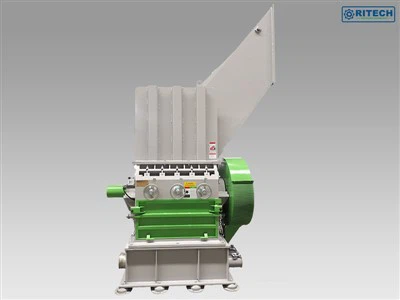
As a supplier of Wood Waste Grinder Machines, I've received numerous inquiries about the moisture content limit for wood waste in these machines. Understanding this limit is crucial for efficient operation, machine longevity, and achieving the desired output. In this blog, I'll delve into the science behind the moisture content limit, its impact on the grinding process, and how to manage it effectively.
The Science of Moisture Content in Wood Waste
Wood is a hygroscopic material, which means it can absorb and release moisture depending on the surrounding environment. The moisture content of wood is typically expressed as a percentage of the weight of the water in the wood relative to the weight of the dry wood. For example, if a piece of wood weighs 100 grams when wet and 80 grams when dry, its moisture content is 25% [(100 - 80) / 80 * 100].
The moisture content of wood waste can vary widely depending on factors such as the type of wood, the storage conditions, and the time of year. Freshly cut wood can have a moisture content of up to 100% or more, while seasoned wood may have a moisture content of around 15 - 20%. In general, the moisture content of wood waste used in a grinder machine should be within a certain range to ensure optimal performance.
Impact of Moisture Content on the Grinding Process
The moisture content of wood waste has a significant impact on the grinding process. Here are some of the key effects:
Machine Performance
High moisture content can cause the wood waste to clump together, making it difficult for the grinder machine to break it down. This can lead to increased wear and tear on the machine, reduced throughput, and higher energy consumption. On the other hand, if the moisture content is too low, the wood waste may become brittle and prone to dust formation, which can pose a health and safety risk.
Quality of the Output
The moisture content of the wood waste also affects the quality of the output. If the moisture content is too high, the ground wood may be damp and prone to mold growth. This can reduce the value of the product and make it unsuitable for certain applications. Conversely, if the moisture content is too low, the ground wood may be dry and powdery, which can also affect its usability.
Machine Maintenance
Excessive moisture can cause corrosion and rust on the components of the grinder machine, leading to premature failure and increased maintenance costs. It can also cause the blades and other cutting parts to become dull more quickly, requiring more frequent replacement.
Recommended Moisture Content Limit
Based on my experience and industry best practices, the recommended moisture content limit for wood waste in a grinder machine is between 10% and 20%. This range allows for efficient grinding, minimizes the risk of clumping and dust formation, and helps to ensure the quality of the output.
However, it's important to note that the optimal moisture content may vary depending on the specific type of grinder machine and the intended application of the ground wood. For example, some machines may be able to handle slightly higher moisture content, while others may require a lower moisture content for optimal performance.
Managing the Moisture Content of Wood Waste
To ensure that the moisture content of the wood waste is within the recommended range, it's important to take appropriate measures to manage it. Here are some tips:
Drying the Wood Waste
If the moisture content of the wood waste is too high, it can be dried before being fed into the grinder machine. This can be done using a variety of methods, such as air drying, kiln drying, or using a dehumidifier. Air drying is the simplest and most cost-effective method, but it can take a long time, especially in humid climates. Kiln drying is faster and more consistent, but it requires specialized equipment and can be expensive.
Storing the Wood Waste Properly
Proper storage of the wood waste is also important to prevent it from absorbing moisture. The wood waste should be stored in a dry, well-ventilated area, away from sources of moisture such as rain, snow, and groundwater. It's also a good idea to cover the wood waste with a tarp or other protective material to prevent it from getting wet.
Monitoring the Moisture Content
Regularly monitoring the moisture content of the wood waste is essential to ensure that it remains within the recommended range. This can be done using a moisture meter, which is a simple and inexpensive device that measures the moisture content of the wood. By monitoring the moisture content, you can adjust the drying and storage methods as needed to maintain the optimal moisture level.
Other Considerations
In addition to the moisture content, there are other factors that can affect the performance of a wood waste grinder machine. These include the type of wood, the size and shape of the wood waste, and the operating conditions of the machine.
Type of Wood
Different types of wood have different properties, such as density, hardness, and moisture content. Some types of wood, such as hardwoods, are more difficult to grind than others, such as softwoods. It's important to choose a grinder machine that is suitable for the type of wood you will be grinding.
Size and Shape of the Wood Waste
The size and shape of the wood waste can also affect the grinding process. Larger pieces of wood waste may require more energy to grind, while smaller pieces may be more prone to dust formation. It's important to ensure that the wood waste is of a suitable size and shape before feeding it into the grinder machine.
Operating Conditions
The operating conditions of the grinder machine, such as the speed, pressure, and temperature, can also affect the performance of the machine. It's important to follow the manufacturer's instructions and guidelines for operating the machine to ensure optimal performance and safety.

Conclusion
In conclusion, the moisture content limit for wood waste in a grinder machine is an important factor that can affect the performance, quality, and longevity of the machine. By understanding the science behind the moisture content, its impact on the grinding process, and how to manage it effectively, you can ensure that your grinder machine operates efficiently and produces high-quality output.
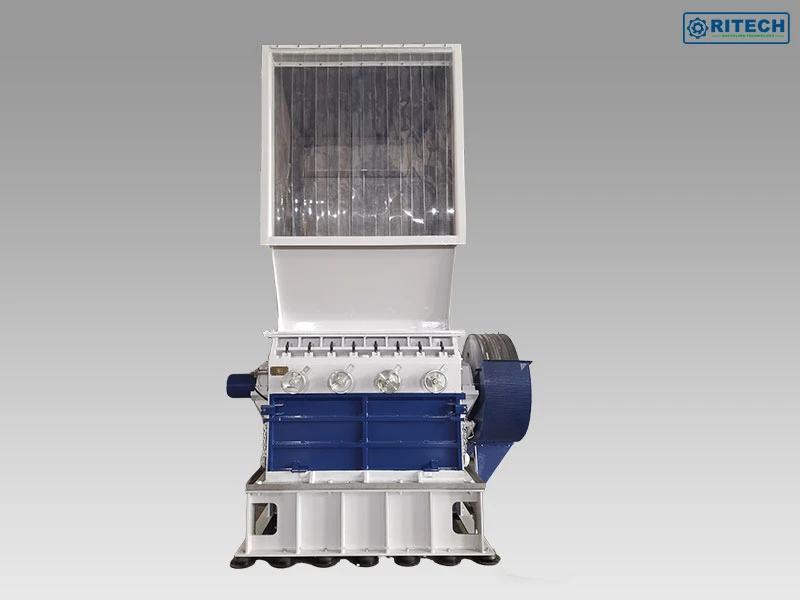
If you're in the market for a Wood Waste Grinder Machine, we offer a wide range of high-quality machines that are designed to meet the needs of various applications. Our machines are built to last and are backed by our excellent customer service and technical support.
In addition to our wood waste grinder machines, we also offer other types of grinder machines, such as PVC Grinder Machine, Food Waste Grinder Machine, Plastic Grinders & Granulators, and Plastic Powder Mill Machine.
If you have any questions or would like to learn more about our products, please don't hesitate to contact us. We look forward to working with you to find the right solution for your needs.
References
- Smith, J. (2018). Wood Waste Management: Best Practices and Technologies. New York: Elsevier.
- Jones, A. (2019). Moisture Content in Wood: Measurement and Control. London: Taylor & Francis.
- Brown, R. (2020). Grinder Machine Operation and Maintenance. Chicago: McGraw-Hill.