


If you’ve ever spent time around a wire shredder machine, you know how quickly fine metal dust, plastic insulation particles, and stray debris can fill the air—turning a productive workshop into a messy, even dangerous space in minutes. As a wire shredder machine supplier with over a decade of experience helping scrap metal processors, electrical recyclers, and manufacturing facilities streamline their operations, I’ve seen firsthand how a dust-removal system isn’t just an add-on to our equipment—it’s the backbone of safe, efficient, and compliant wire recycling. Today, I’m breaking down exactly how these systems work, why they matter, and how we design our wire shredders’ dust removal setups to solve real-world headaches for our customers.
First, let’s get clear on what we’re dealing with when wires go through a shredder. Most scrap wire isn’t just bare metal: it’s coated in PVC, polyethylene, rubber, or other plastics, often mixed with minor traces of insulation binders, coatings, and even small bits of dirt or rust from outdoor-stored scrap. When a wire shredder grinds and shears these materials, it doesn’t just cut the wire into small chunks—it atomizes a portion of the insulation into microdust, with particle sizes as small as 10 microns. That’s smaller than the diameter of a red blood cell. These tiny particles don’t just make a workshop look unkempt; they pose serious health risks if inhaled (leading to respiratory issues over time) and can even trigger explosions if mixed with proper air conditions. They also gum up machinery, clog filters, and contaminate the final separated copper or aluminum metal fragments—cutting into a recycler’s bottom line.
A well-designed dust-removal system for a wire shredder isn’t a one-size-fits-all setup. It’s a multi-stage process tailored to capture, separate, and dispose of dust at every step of the shredding operation, from the feed hopper to the final material collection bin. Let’s walk through the core components, starting with the source capture systems—the first line of defense.
Source capture is all about pulling dust out of the air before it spreads through the workshop. On our wire shredder machines, we mount low-profile capture hoods directly above the shredding chamber and the discharge chutes where processed material exits. These hoods are calibrated using airflow modeling to pull in dust right where it’s generated, rather than sucking up clean air from other parts of the space. For example, the shredding chamber generates the most dust because that’s where insulation is cut and pulverized, so the capture hood there has a higher airflow rating than ones on the discharge. We also add flexible, abrasion-resistant ducts to connect the hoods to the central dust collector—these are designed to withstand constant exposure to sharp metal particles without cracking or tearing.
Once captured, the dust-air mixture moves through the ductwork to the separation stage, where we split the tiny dust particles from the heavier air and, crucially, separate the insulation dust from the valuable metal fragments we don’t want to discard. This is where cyclone separators come into play, a staple of industrial dust removal for their efficiency and low maintenance. A cyclone separator works by spinning the air-dust mixture at high speed, using centrifugal force to hurl heavier particles (like small metal shavings and plastic insulation clumps) against the outer walls of the cyclone. These particles slide down into a collection bin at the bottom, while the remaining fine dust and air move upward toward the filter stage.
Not all dust is the same, though. Coarse insulation dust (from partially shredded plastic) and fine metal shavings have different weights and sizes, so we often pair our cyclone separators with a secondary separation step for ultra-fine particles. For customers processing wires with thin, delicate plastic insulation—like automotive wiring or electronic scrap—we might integrate a compact granulator zerma gse or similar size-reduction step before dust separation, but the core dust system stays consistent. Wait, let’s circle back: no, wait, the granulator is for further size reduction, but our dust system handles the byproducts of that. Right, so the cyclone does a first pass at separating bulk dust, and then the filter stage catches the remaining microdust that’s too light to get pulled out by centrifugal force.
The filter stage is where the really fine dust is captured. Most modern industrial dust collectors use baghouses or cartridge filters for this. At our wire shredder facilities, we use high-efficiency particulate air (HEPA) filters as a standard, because they capture 99.97% of particles as small as 0.3 microns—more than enough to catch the microdust from shredded wire insulation. A key feature we prioritize is pulse cleaning: instead of manually shaking or replacing filters every few weeks, compressed air pulses backward through the filter bags at set intervals, knocking accumulated dust loose into a collection hopper below. This reduces downtime, keeps the system running at full capacity, and prevents filter clogging which would reduce airflow and make the dust removal system less effective.
Once the dust is separated from the air, it needs to be disposed of properly, or even repurposed in some cases. The fine insulation dust captured by the filters is usually collected in a sealed bin, since it’s often classified as non-hazardous waste (though we always advise customers to check local regulations for their area). For customers working with PVC insulation, the captured dust can sometimes be sent to plastic recycling facilities, while metal shavings from the cyclone separator are often routed back to the metal separation system, where they can be melted down alongside the larger metal fragments to recover every last ounce of value.
Now, it’s important to note that a dust-removal system isn’t effective on a wire shredder if it’s an afterthought. Many cheap, off-the-shelf shredders on the market come with basic dust systems that only handle large debris, not microdust, leading to the issues I mentioned earlier. That’s why when we design our wire shredder machines, we integrate the dust removal system directly into the machine’s frame and operation, rather than tacking it on. For example, the capture hoods are designed to fit snugly over the shredding chamber without interfering with feed or discharge, and the entire system is sized to match the shredder’s capacity. A 500kg per hour wire shredder needs a different dust system than a 2-ton per hour model, so we custom-engineer airflow rates, filter sizes, and collection bin capacities for each machine.
I’ve seen customers learn this lesson the hard way. Early in my career, we sold a wire shredder to a small scrap processor in Ohio that opted for the basic dust system included with a competing brand, thinking it would work. Within six months, they were dealing with clogged workshop ventilation, respiratory complaints from their operators, and contaminated copper metal that fetched 15% less than the market rate. They switched to our custom wire shredder with our integrated dust-removal system, and within three months, their metal purity rate went up, their downtime for cleaning and filter changes dropped by 40%, and they avoided OSHA fines for poor air quality. That’s the real value of a properly designed dust system—it doesn’t just keep things clean; it boosts profits.
There are also other factors that make a wire shredder’s dust system effective, beyond the core components. Sound is a big one in recycling facilities, so many of our customers prefer dust systems that are quiet enough to maintain a safe, compliant noise level. We also offer optional features like explosion suppression systems for customers processing wires with PVC insulation, which can create combustible dust. PVC dust is highly flammable when suspended in air, so our dust systems include flame sensors and automatic suppression agents to put out any potential fires before they spread. For customers working with other materials, we also offer optional odor control filters to neutralize the smell of hot plastic insulation generated during shredding, which is a nice extra touch for workshop comfort.
As a supplier, we also tailor our dust systems to work seamlessly with other recycling equipment a customer might already use. For example, many of our clients have existing plastic crusher machine lines, so we can design our wire shredder’s dust system to route captured plastic insulation directly into that crusher, rather than sending it to a separate disposal bin. This creates a closed-loop system where waste from the wire shredder becomes raw material for another process, reducing overall waste and increasing efficiency. We also integrate with two shaft tire shredder systems for customers who process mixed wire and rubber-coated scrap, adjusting the dust system to handle both plastic insulation and rubber tire particles without cross-contamination.
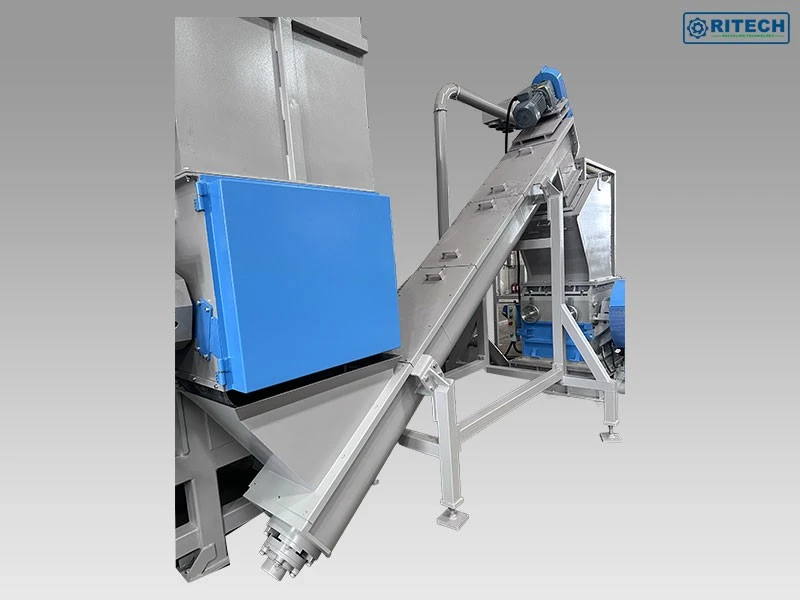

Wait, that’s a good point about cross-contamination. A common mistake in mixed-material processing is not separating dust from different materials, leading to mixed waste that’s hard to recycle. Our dust system includes dedicated collection bins for different types of dust, so a customer processing copper wire with PVC insulation can collect the PVC dust separately from any rubber dust from other materials, making it easier to sell or repurpose. For larger operations with high-volume PP PE lumps shredder crusher setups, we can even connect multiple shredder lines to a single central dust collection system, reducing the cost of separate systems while maintaining high capture rates.
Another feature we highlight to customers is the ease of maintenance. Industrial dust systems can be a pain if they require constant upkeep, so we design ours with easy-access doors for filter changes, quick-release collection bins, and clear pressure gauges that let operators know when filters need cleaning or replacing. We also include a user-friendly control panel that shows real-time airflow rates, filter status, and collection bin levels, so operators can spot issues before they become problems. For customers who don’t have a dedicated maintenance team, we offer remote monitoring to check the system’s performance and troubleshoot small issues over the phone, reducing downtime.
Now, let’s address a common question we get: do all wire shredders need a high-end dust-removal system? The short answer is, it depends on your operation. If you’re a small hobbyist processing a few pounds of wire a month, a basic shop vac might be enough. But if you’re a commercial recycler processing tons of wire weekly, a proper industrial dust system is non-negotiable for safety, compliance, and profit. Even mid-sized operations that process 100kg to 500kg of wire daily will see a return on investment within a year of upgrading to a high-quality integrated dust system, thanks to reduced downtime, higher metal purity, and avoided fines.
As our industry evolves, we’re constantly improving our dust-removal systems to meet stricter environmental regulations and customer demands for sustainability. For example, we’re working on next-generation filters that capture even finer dust, while also reducing energy use—cutting the electricity needed to run the dust system by up to 20% without sacrificing performance. We’re also developing systems that can process captured dust into usable pellets, so instead of sending plastic insulation dust to the landfill, we can turn it into raw material for new plastic products. This aligns with the circular economy goals many of our customers are working toward, turning waste into a revenue stream rather than a cost.
At the end of the day, a wire shredder is only as good as its weakest link—and for many operations, that link is the dust system. It’s not a glamorous part of the machine, but it’s the one that keeps operators safe, keeps the metal pure, and keeps the whole operation running smoothly. If you’re in the market for a wire shredder machine, don’t just look at the shredding capacity or price tag—ask about the dust-removal system. Ask about capture rates, filter efficiency, maintenance requirements, and how it integrates with the rest of your recycling process.
If you’re ready to upgrade your wire shredder or want to learn more about how our dust-removal systems can work for your operation, we’re here to help. Our team has decades of experience designing custom shredding and dust systems for operations of all sizes, from small local recyclers to large international facilities. Reach out to us to discuss your specific needs, and we’ll work with you to find the right solution for your wire recycling process.
References
- Occupational Safety and Health Administration (OSHA). "Combustible Dust Standards for General Industry." U.S. Department of Labor, 2022.
- Recycling Today. "Innovations in Metal and Plastic Separation for Scrap Processing." Gessler Media, 2023.
- National Fire Protection Association (NFPA). "NFPA 654: Standard for the Prevention of Fire and Dust Explosions from the Manufacturing, Processing, and Handling of Combustible Solids." 2021 Edition.
- ZERMA. "Compact Granulation Technology for Industrial Recycling Operations." ZERMA GmbH, 2022.
- Institute of Scrap Recycling Industries (ISRI). "Best Practices for Air Quality Control in Scrap Processing Facilities." ISRI, 2023.


