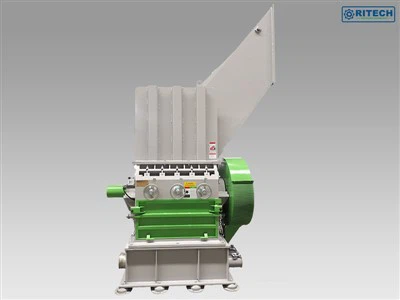
Hey there! As a supplier of Waste Tire Recycling Line, I often get asked about the safety certifications for these lines. So, I thought I'd share some insights on this topic.
Why Safety Certifications Matter
First off, let's talk about why safety certifications are so important for a waste tire recycling line. These certifications aren't just pieces of paper; they're a guarantee that the equipment meets certain safety standards. When you're dealing with waste tire recycling, there are a lot of potential hazards. You've got heavy machinery, sharp blades, and potentially harmful chemicals involved. Safety certifications ensure that the equipment has been tested and proven to operate safely, protecting both the workers and the environment.
Common Safety Certifications
CE Certification
One of the most well - known safety certifications is the CE certification. CE stands for Conformité Européene, which means European Conformity. If a waste tire recycling line has a CE mark, it indicates that the equipment meets the essential health and safety requirements set by the European Union. This certification is not only important for selling the equipment in the EU market but also serves as a sign of high - quality safety standards globally. The CE certification process involves a series of tests, including mechanical safety, electrical safety, and noise emission tests. For example, the machinery must have proper guarding to prevent workers from coming into contact with moving parts, and the electrical systems must be designed to prevent electrical shocks.
UL Certification
UL, or Underwriters Laboratories, is a well - respected organization in the United States. UL certification for a waste tire recycling line means that the equipment has been tested and meets the safety standards set by UL. UL conducts comprehensive tests on various aspects of the equipment, such as fire safety, electrical safety, and mechanical integrity. For instance, they'll check if the equipment has proper grounding to prevent electrical fires and if the structural components can withstand the stresses of normal operation. Having a UL - certified waste tire recycling line gives customers in the US and other regions that recognize UL standards the confidence that the equipment is safe to use.
ISO 45001 Certification
ISO 45001 is an international standard for occupational health and safety management systems. A waste tire recycling line supplier with ISO 45001 certification demonstrates that they have a systematic approach to managing health and safety risks. This includes identifying potential hazards in the workplace, implementing measures to control those hazards, and regularly reviewing and improving the safety management system. For example, the supplier will have procedures in place for employee training, emergency response, and hazard identification. Having this certification shows that the company is committed to providing a safe working environment for its employees and users of the equipment.
Other Certifications and Their Significance
RoHS Certification
RoHS stands for Restriction of Hazardous Substances. This certification is important for waste tire recycling lines because it ensures that the equipment does not contain certain hazardous substances, such as lead, mercury, cadmium, and certain flame retardants. In today's environmentally conscious world, using equipment that complies with RoHS standards is crucial. It not only protects the environment but also reduces the risk of health problems for workers and end - users. For example, lead can cause serious health issues if it leaches into the environment or is inhaled by workers.
ATEX Certification
ATEX certification is relevant if the waste tire recycling line is going to be used in potentially explosive atmospheres. In a tire recycling facility, there can be dust and fumes that may create an explosive environment. ATEX - certified equipment is designed to prevent the ignition of these explosive atmospheres. It has special features such as explosion - proof enclosures for electrical components and anti - static materials to prevent the build - up of static electricity, which could potentially cause an explosion.
How These Certifications Benefit Customers
As a customer, having a waste tire recycling line with these safety certifications offers several benefits. Firstly, it reduces the risk of accidents and injuries in the workplace. Workers can operate the equipment with confidence, knowing that it has been thoroughly tested for safety. Secondly, it helps to comply with local and international regulations. Many countries have strict safety regulations for industrial equipment, and having the right certifications ensures that you're on the right side of the law. Thirdly, it can enhance the reputation of your business. Using certified equipment shows that you're committed to safety and environmental protection, which can be a selling point for your products or services.


Our Commitment as a Supplier
At our company, we understand the importance of safety certifications. That's why we ensure that all our Waste Tire Recycling Line products are rigorously tested and certified. We work closely with certification bodies to meet and exceed the safety standards. Our goal is to provide our customers with the highest - quality and safest waste tire recycling equipment on the market.
How to Choose the Right Certified Equipment
When you're in the market for a waste tire recycling line, it's important to look for the right certifications. Don't just take the supplier's word for it; ask to see the certification documents. Check if the certifications are up - to - date and relevant to your specific needs. For example, if you're operating in a region with strict environmental regulations, make sure the equipment has the appropriate environmental certifications.
Contact Us for Your Waste Tire Recycling Needs
If you're interested in purchasing a waste tire recycling line, we'd love to hear from you. We can provide you with detailed information about our certified products and how they can meet your specific requirements. Whether you're a small - scale recycling operation or a large industrial facility, we have the right solution for you. Don't hesitate to reach out and start a conversation about your waste tire recycling needs. We're here to help you make the best choice for your business.
References
- International Organization for Standardization (ISO). (2018). ISO 45001:2018 Occupational health and safety management systems — Requirements with guidance for use.
- Underwriters Laboratories. (n.d.). UL safety standards.
- European Union. (n.d.). CE marking.
- Directive 2014/34/EU of the European Parliament and of the Council of 26 February 2014 on the harmonization of the laws of the Member States relating to equipment and protective systems intended for use in potentially explosive atmospheres (ATEX).
- Directive 2011/65/EU of the European Parliament and of the Council of 8 June 2011 on the restriction of the use of certain hazardous substances in electrical and electronic equipment (RoHS).