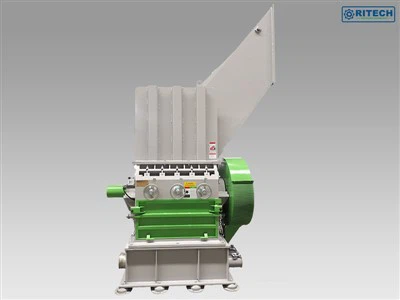
Hey there! I'm a supplier of food waste grinder machines, and today I wanna chat about the differences between different models of these machines.
First off, let's talk about the capacity. Different models come with various capacities, which is super important depending on your needs. For small households or cafes with relatively low food waste generation, a compact model with a smaller capacity might be just right. These machines usually have a capacity of around 5 - 10 liters. They're easy to install under the sink and can handle the daily food scraps from a small family or a small - scale food service place.
On the other hand, for large restaurants, hotels, or industrial kitchens, you'll need a high - capacity model. These can have capacities of 50 liters or more. They're designed to deal with a large volume of food waste generated throughout the day. For example, a busy hotel kitchen might produce a huge amount of food waste from breakfast, lunch, and dinner service. A high - capacity food waste grinder machine can keep up with that demand without getting clogged or overloaded.
Another big difference is the power of the motor. The motor is the heart of the food waste grinder machine. Smaller models often have motors with lower power, usually in the range of 1/3 to 1/2 horsepower. These motors are sufficient for grinding soft food scraps like vegetable peels, fruit cores, and small pieces of bread. They're also more energy - efficient, which is great for those looking to save on electricity bills.
However, if you're dealing with tougher food waste, such as bones, corn cobs, or large chunks of meat, you'll need a machine with a more powerful motor. High - end models can have motors with 1 - 2 horsepower or even more. These powerful motors can crush and grind the toughest food waste into small particles, ensuring that the waste can be easily disposed of through the plumbing system.
The grinding mechanism is also a key factor that varies between models. Some machines use a single - stage grinding mechanism. In this type, the food waste is ground in one step. It's a simple and cost - effective design, suitable for grinding relatively soft and small food waste.
Other models feature a multi - stage grinding mechanism. This involves multiple steps of grinding. First, the food waste is coarsely ground, and then it goes through a second or even third stage of fine grinding. The multi - stage grinding results in much finer particles, which are less likely to cause blockages in the pipes. It's a great option for places where the plumbing system is more sensitive or where you want to ensure that the food waste is broken down as much as possible.
Noise level is something that many people care about. Smaller, domestic models are generally designed to be quieter. They use advanced noise - reducing technologies to minimize the sound during operation. This is especially important for home use, as you don't want a noisy machine disturbing your daily life.
Industrial models, however, tend to be noisier. They're built for heavy - duty use, and the powerful motors and high - speed grinding can generate a significant amount of noise. But some manufacturers are working on improving the noise levels of industrial models as well, using better insulation and vibration - dampening materials.
Now, let's talk about the build quality and durability. Cheaper models might be made of lower - quality materials, which can lead to a shorter lifespan. They may be more prone to breakdowns and require more frequent maintenance.
On the other hand, high - end models are usually made of high - quality stainless steel or other durable materials. They're built to last, even under heavy use. These machines often come with longer warranties, which gives you peace of mind knowing that you're investing in a reliable product.
If you're also interested in other types of grinding machines, we have some great options. For instance, we offer Plastic Powder Mill Machine, which is perfect for grinding plastic materials into fine powder. And our PVC Grinder Machine is specifically designed for grinding PVC materials. We also have Waste Reduction Grinder Machine that can help reduce the volume of various types of waste.


When choosing a food waste grinder machine, you need to consider your specific requirements, budget, and the type of food waste you'll be dealing with. If you have any questions or want to discuss which model is best for you, don't hesitate to reach out. We're here to help you make the right choice and ensure that you get a high - quality food waste grinder machine that meets your needs. Whether you're a small business owner or a homeowner, we've got the perfect solution for you. So, come and have a chat with us, and let's find the ideal food waste grinder machine for your situation.
References
- Industry reports on food waste grinder machines
- Manufacturer's product manuals and specifications