


Hey there! As an industrial grinder machine supplier, I've seen my fair share of problems that users face with these machines. Industrial grinders are workhorses in many industries, used for grinding, crushing, and milling all sorts of materials. But like any piece of equipment, they can run into issues from time to time. In this blog, I'm gonna walk you through how to troubleshoot some common problems in an industrial grinder machine.
1. The Machine Won't Start
This is probably one of the most frustrating problems you can encounter. If your industrial grinder won't start, the first thing you should do is check the power supply. Make sure the machine is properly plugged in and that the circuit breaker hasn't tripped. Sometimes, it could be as simple as a loose connection or a blown fuse.
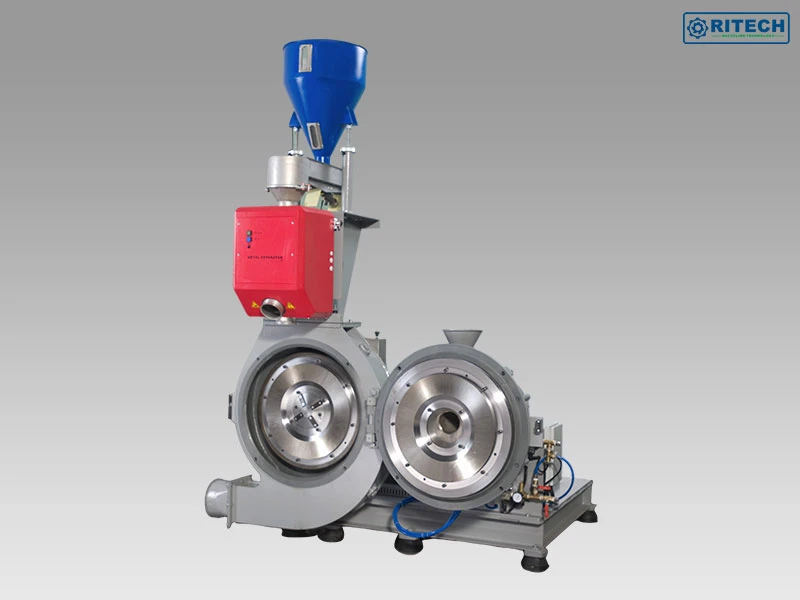

Another thing to look at is the control panel. Check for any error messages or warning lights. If there are error codes, refer to the machine's manual to figure out what they mean. It could be something like a safety switch that's been triggered or a problem with the motor's overload protection.
If you've checked the power and the control panel and still can't get the machine to start, it might be an issue with the motor itself. Motors can fail due to overheating, worn-out bearings, or electrical problems. In this case, it's best to call in a professional technician. They have the tools and expertise to diagnose and fix motor issues.
2. Poor Grinding Performance
If your grinder isn't grinding the material as well as it should, there could be several reasons. First, check the grinding media. Over time, grinding media can wear out, which can affect the grinding efficiency. You might need to replace the grinding balls, rods, or other media depending on the type of grinder you have.
The feed rate can also play a big role in grinding performance. If you're feeding too much material into the grinder at once, it can overload the machine and lead to poor grinding. On the other hand, if the feed rate is too low, the machine might not be operating at its optimal capacity. Adjust the feed rate according to the manufacturer's recommendations.
The speed of the grinder is another important factor. Different materials require different grinding speeds. If the speed is too high or too low, it can result in uneven grinding or poor particle size distribution. Check the machine's settings and make sure the speed is appropriate for the material you're grinding.
3. Excessive Noise and Vibration
Hearing loud noises and feeling excessive vibrations coming from your grinder is a clear sign that something's wrong. One common cause of this is loose parts. Check all the bolts, nuts, and screws on the machine and make sure they're tightened properly. Loose parts can cause the machine to vibrate and make noise, and if left unchecked, they can lead to more serious problems.
Worn-out bearings can also be a culprit. Bearings are essential for the smooth operation of the grinder, and when they start to wear out, they can cause noise and vibration. Inspect the bearings for signs of wear, such as excessive play or rough surfaces. If you find any issues, replace the bearings as soon as possible.
Another possible cause is an imbalance in the grinding wheel or other rotating parts. An imbalance can cause the machine to vibrate unevenly. To fix this, you may need to have the parts balanced by a professional.
4. Overheating
Overheating is a serious problem that can damage the machine and even pose a safety risk. One of the main reasons for overheating is a lack of proper lubrication. Check the lubrication levels in the machine and make sure all the moving parts are well-lubricated. If the lubricant is dirty or contaminated, replace it.
The ventilation system of the grinder is also crucial. If the vents are blocked, the heat can't escape, causing the machine to overheat. Clean the vents regularly to ensure proper airflow.
Overloading the machine can also lead to overheating. Make sure you're not asking the grinder to handle more material than it's designed to. If you need to process a large amount of material, consider using a larger or more powerful grinder.
5. Dust and Leakage Issues
Industrial grinders can generate a lot of dust during operation. If you notice excessive dust escaping from the machine, it could be due to a problem with the dust collection system. Check the filters in the dust collector and make sure they're clean and in good condition. Clogged filters can reduce the efficiency of the dust collection system and cause dust to leak out.
Leakage of the grinding material can also be a problem. This can happen if the seals and gaskets on the machine are worn out or damaged. Inspect the seals regularly and replace them if necessary.
Related Products
If you're in the market for a new industrial grinder or need to upgrade your existing one, we offer a range of high-quality machines. Check out our Single Pass Granulator Machine, Plastic Powder Mill Equipment, High Shear Granulator Machine, Tyre Crusher Machine, and Plastic Recycling Granulator.
Conclusion
Troubleshooting common problems in an industrial grinder machine doesn't have to be a headache. By following these simple steps, you can identify and fix many issues on your own. However, if you're ever unsure or if the problem seems too complex, don't hesitate to reach out to us. We're here to help you keep your grinder running smoothly. Whether you need technical support or are interested in purchasing a new machine, we're just a call or message away. Let's work together to ensure your industrial grinding operations are as efficient and productive as possible.
References
- Industrial Grinder Machine User Manuals
- Industry Best Practices for Industrial Grinder Maintenance
- Technical Bulletins from Industrial Grinder Manufacturers


