


Hey there! I'm a supplier of Pallet Grinder Machines, and today I wanna chat about how to operate these bad boys in a team - work situation. Running a pallet grinder machine isn't just about pushing a button; it takes a well - coordinated team to get the job done safely and efficiently.
Understanding the Pallet Grinder Machine
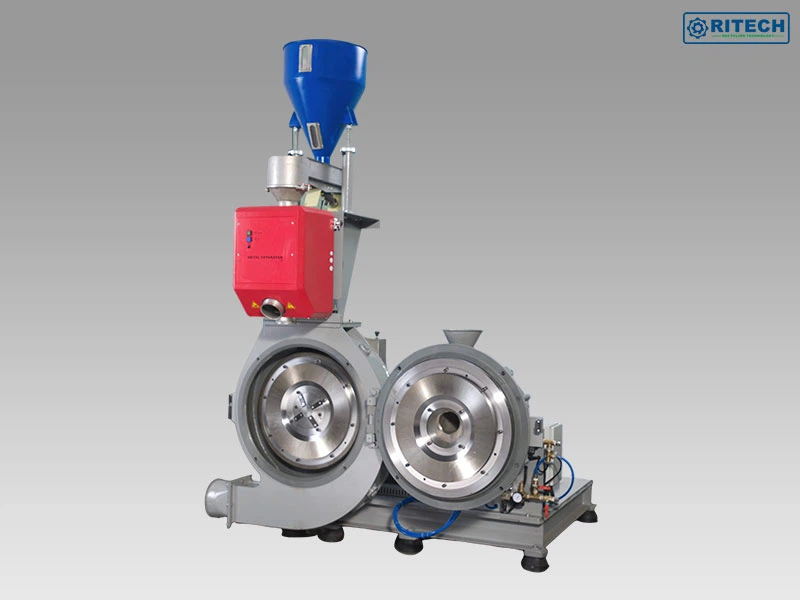
First off, let's talk about what a pallet grinder machine is. You can check out more details about it here. It's a powerful tool designed to break down pallets into smaller pieces, whether it's for recycling, repurposing, or just getting rid of waste. There are different types, like the Wood Pallet Grinder Machine, which is great for wooden pallets, and the general Pallet Grinder Machine that can handle a variety of materials.
Pre - Operation Team Briefing
Before you even think about turning on the machine, you need a team briefing. This is crucial. Everyone on the team should be clear about what their roles are. One person might be in charge of loading the pallets into the machine, another for monitoring the grinding process, and someone else could be taking care of the safety checks.
Safety is the top priority. Review all the safety protocols. Make sure everyone is wearing the appropriate personal protective equipment (PPE), like safety glasses, gloves, and ear protection. The machine has a lot of moving parts, and even a small mistake can lead to serious injuries.
Team Roles and Responsibilities
Loader
The loader is the person who feeds the pallets into the machine. This might seem like a simple job, but it's actually quite important. They need to make sure the pallets are loaded in the correct orientation, so the machine can grind them effectively. If the pallets are too big or not placed right, it can cause jams in the machine. The loader also needs to be aware of the speed at which they're loading. Loading too fast can overload the machine, while loading too slow can waste time.
Monitor
The monitor's job is to keep an eye on the grinding process. They need to watch for any signs of trouble, like unusual noises or vibrations. If something seems off, they should stop the machine immediately and call for help. They're also responsible for checking the output of the machine. The ground material should be of the right size and consistency. If it's not, they may need to adjust the settings on the machine.
Safety Checker
The safety checker has perhaps the most important job of all. They're constantly on the lookout for any potential safety hazards. This includes checking the machine for loose parts, making sure the safety guards are in place, and ensuring that all electrical connections are secure. They're the ones who can prevent accidents from happening in the first place.
Working in Harmony
Communication is key in a team - work situation. The loader needs to communicate with the monitor about the rate of loading. If they start to notice that the machine is struggling, they can slow down the loading. The monitor, on the other hand, should let the loader know if the output isn't meeting the standards.
The safety checker should be in constant communication with everyone on the team. If they spot a safety issue, they need to be able to alert everyone immediately. This could be as simple as shouting a warning or using a two - way radio.
Training and Skill Development
As a supplier, I always recommend that teams undergo proper training. This isn't something you can just jump into. Training should cover everything from basic machine operation to advanced troubleshooting. Everyone on the team should be familiar with the machine's user manual.
Skill development is an ongoing process. As technology advances, the machines get more sophisticated. Regular training sessions can help the team stay up - to - date with the latest features and best practices.

Dealing with Problems
Even with the best - laid plans, problems can still occur. If the machine jams, the team needs to know how to handle it safely. First, shut off the machine. Then, follow the manufacturer's instructions for clearing the jam. This might involve removing some parts of the machine carefully.
If there's an electrical issue, only a trained electrician should handle it. Don't try to fix it yourself, as this can be extremely dangerous.
Maintaining the Machine
A well - maintained machine is a reliable machine. The team should have a regular maintenance schedule. This includes cleaning the machine after each use to prevent the buildup of debris. They should also check the oil levels and lubricate any moving parts as recommended.
Regular inspections can catch small problems before they turn into big ones. If there are any parts that need replacing, the team should do it as soon as possible. This will help ensure that the machine runs smoothly and has a long lifespan.
Other Types of Grinder Machines
There are other types of grinder machines that you might be interested in, depending on your needs. For example, the Food Waste Grinder Machine is great for breaking down food waste, which can be useful for composting or other waste management solutions. The Plastic Powder Mill Machine is designed to turn plastic into powder, which can be reused in various manufacturing processes. And if you deal with a lot of wood waste, the Wood Waste Grinder Machine can be a valuable addition to your equipment.
Contact for Purchase
If you're in the market for a pallet grinder machine or any of the other grinder machines I mentioned, don't hesitate to reach out. We're here to help you find the right machine for your needs and provide all the support you need for installation, training, and maintenance. Whether you're running a small recycling business or a large manufacturing plant, we've got the solutions for you.
References
- Standard operating procedures for industrial grinder machines - Industry handbook
- Safety guidelines for team - based machinery operation - Occupational safety institute
- Maintenance best practices for heavy - duty machinery - Machinery manufacturers' association


