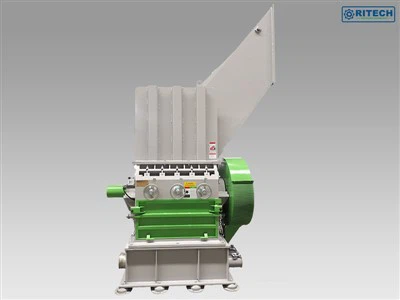
Hey there! As a supplier of Food Waste Shredder Machines, I often get asked about how to measure the performance of these machines. It's a crucial question, especially for those looking to invest in a reliable and efficient food waste shredder. In this blog, I'll share some key factors and methods to help you evaluate the performance of a food waste shredder machine.
1. Shredding Capacity
One of the most obvious ways to measure the performance of a food waste shredder is by its shredding capacity. This refers to the amount of food waste the machine can process within a given time frame, usually measured in kilograms per hour (kg/h). A higher shredding capacity means the machine can handle larger volumes of food waste, which is ideal for commercial kitchens, restaurants, and large-scale food processing facilities.
When testing the shredding capacity, it's important to use a consistent type and quantity of food waste. For example, you could use a mix of common food waste items like fruits, vegetables, meat, and bread. Run the machine for a set period, say an hour, and measure the amount of shredded waste produced. Compare this with the manufacturer's claimed capacity to see if it meets your expectations.
2. Particle Size
The particle size of the shredded food waste is another important performance indicator. A good food waste shredder should be able to break down the waste into small, uniform particles. Smaller particles are easier to handle, transport, and process further, such as in composting or anaerobic digestion.
To measure the particle size, you can use a sieve with different mesh sizes. Pass the shredded food waste through the sieve and collect the particles that remain on each mesh. Measure the size of the particles using a caliper or a micrometer. A well-performing shredder should produce a high percentage of particles within the desired size range.
3. Power Consumption
Power consumption is a significant factor, especially for long-term operation. A food waste shredder that consumes less power while still delivering good performance can save you money on electricity bills. To measure the power consumption, you can use a power meter. Connect the power meter to the shredder and run it for a specific period. Record the power consumption in kilowatt-hours (kWh).
Compare the power consumption of different shredder models to find the most energy-efficient one. However, keep in mind that a more powerful shredder may consume more energy but also have a higher shredding capacity. So, you need to balance between power consumption and performance based on your specific needs.
4. Noise Level
No one wants a noisy machine in their kitchen or workplace. The noise level of a food waste shredder can affect the working environment and the comfort of the operators. A high-quality shredder should operate quietly without causing excessive noise pollution.
To measure the noise level, you can use a sound level meter. Place the meter at a specific distance from the shredder, usually about 1 meter away, and run the machine. Record the noise level in decibels (dB). Compare the noise levels of different shredder models to choose the one that meets your noise requirements.
5. Durability and Reliability
A food waste shredder needs to be durable and reliable to withstand the daily wear and tear of processing food waste. Look for a machine made of high-quality materials, such as stainless steel, which is resistant to corrosion and rust. Check the build quality of the shredder, including the motor, blades, and other components.


To assess the durability and reliability, you can look at the manufacturer's warranty and customer reviews. A longer warranty period indicates that the manufacturer has confidence in the quality of their product. Customer reviews can also provide valuable insights into the performance and reliability of the shredder over time.
6. Safety Features
Safety is always a top priority when using any machine. A good food waste shredder should have several safety features to protect the operators and prevent accidents. Some common safety features include:
- Overload protection: This feature automatically shuts off the machine if it is overloaded, preventing damage to the motor and other components.
- Emergency stop button: A clearly marked emergency stop button allows the operator to quickly stop the machine in case of an emergency.
- Blade guard: A blade guard covers the shredder blades to prevent accidental contact with the sharp edges.
Check the safety features of the shredder before purchasing and make sure they meet your safety requirements.
7. Ease of Maintenance
Regular maintenance is essential to keep a food waste shredder in good working condition. A machine that is easy to maintain can save you time and money in the long run. Look for a shredder with accessible components, such as the blades and the motor, for easy cleaning and replacement.
The manufacturer should provide clear instructions on how to maintain the shredder, including the recommended cleaning frequency and the type of lubricants to use. Some shredders may also have self-cleaning features, which can reduce the maintenance workload.
8. Comparison with Other Shredder Types
If you're considering a food waste shredder, it's also worth comparing it with other types of shredders, such as Plastic Bottle Shredder, Plastic Scrap Cutting Machine, Plastic Scrap Shredder Machine, Plastic Crusher Machine, and Woven Bags Crusher. Each type of shredder has its own unique features and performance characteristics, and understanding these differences can help you make a more informed decision.
For example, a plastic bottle shredder is designed specifically to shred plastic bottles, while a food waste shredder is optimized for processing food waste. Comparing the performance of different shredder types can give you a better idea of which one is the most suitable for your needs.
Conclusion
Measuring the performance of a food waste shredder machine involves considering multiple factors, including shredding capacity, particle size, power consumption, noise level, durability, reliability, safety features, and ease of maintenance. By evaluating these factors, you can choose a high-quality shredder that meets your specific requirements and provides long-term value.
If you're interested in purchasing a food waste shredder machine or have any questions about our products, feel free to reach out to us for a detailed discussion. We're here to help you find the best solution for your food waste management needs.
References
- Manufacturer's product manuals and specifications
- Industry standards and guidelines for food waste shredders
- Customer reviews and feedback on food waste shredder products