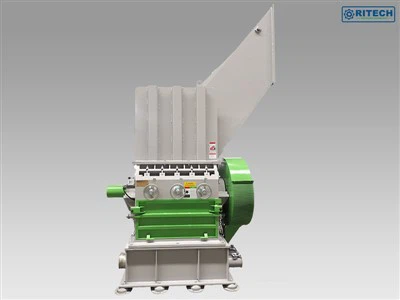
Maintaining industrial equipment is crucial for ensuring its optimal performance, longevity, and safety. As a supplier of the ZERMA Granulator Machine, I often receive questions from customers about how often this machine should be maintained. In this blog post, I'll delve into the factors that influence the maintenance frequency of the ZERMA Granulator Machine and provide some general guidelines to help you keep your equipment in top - notch condition.
Factors Affecting Maintenance Frequency
Usage Intensity
The frequency of use is one of the most significant factors determining how often the ZERMA Granulator Machine needs maintenance. If the machine is running continuously for long hours each day, it will experience more wear and tear compared to a machine that is used only occasionally. For example, in a large - scale plastic recycling plant where the ZERMA Granulator Machine is operating 24/7, the components are subjected to constant stress. The blades, in particular, will dull more quickly, and the bearings will experience more friction. On the other hand, a small - scale workshop that uses the machine for just a few hours a week will require less frequent maintenance.
Material Being Processed
The type of material that the ZERMA Granulator Machine is used to process also plays a vital role in determining maintenance frequency. Different materials have different properties, such as hardness, abrasiveness, and chemical composition. For instance, if you are using the machine to granulate hard plastics like polycarbonate or glass - filled polymers, the blades and other cutting components will wear out faster than when processing softer plastics like polyethylene. Similarly, materials with high levels of impurities or abrasive particles can cause accelerated wear on the internal components of the machine.
Environmental Conditions
The environment in which the ZERMA Granulator Machine is operated can have a significant impact on its maintenance requirements. Machines located in dusty or humid environments are more prone to corrosion and damage. Dust can accumulate on the electrical components, leading to overheating and potential malfunctions. Humidity can cause rusting of metal parts, which can compromise the structural integrity of the machine. In contrast, a clean and dry operating environment will reduce the need for frequent maintenance.
General Maintenance Guidelines
Daily Maintenance
- Visual Inspection: At the start of each day, conduct a visual inspection of the ZERMA Granulator Machine. Check for any signs of damage, such as loose bolts, cracks in the housing, or worn - out belts. Look for any debris or foreign objects that may have accumulated inside the machine.
- Lubrication: Some components of the machine, such as bearings and moving parts, require regular lubrication. Refer to the machine's manual to determine the appropriate lubricant and the recommended lubrication points. Apply the lubricant as per the manufacturer's instructions.
- Cleaning: After each use, clean the machine to remove any residual material. Use a brush or compressed air to clean the hopper, cutting chamber, and other areas where material may accumulate. This helps prevent the build - up of debris, which can affect the machine's performance.
Weekly Maintenance
- Belt Tension Check: Check the tension of the belts on the ZERMA Granulator Machine. Loose belts can cause slippage, which reduces the machine's efficiency. If the belts are too tight, it can put excessive stress on the motor and other components. Adjust the belt tension as needed.
- Blade Inspection: Inspect the blades for wear and tear. Look for signs of dullness, chipping, or damage. If the blades are worn beyond the recommended limit, they should be replaced. A sharp blade ensures efficient cutting and reduces the load on the machine.
- Electrical System Check: Check the electrical connections and wiring for any signs of damage or loose connections. Loose electrical connections can cause electrical shorts, which can be dangerous and damage the machine. Make sure all the switches and controls are functioning properly.
Monthly Maintenance
- Filter Replacement: If the ZERMA Granulator Machine is equipped with filters, such as dust filters, they should be replaced on a monthly basis. Clogged filters can reduce the machine's airflow, leading to overheating and reduced performance.
- Motor Inspection: Inspect the motor for any signs of overheating, unusual noises, or vibration. Check the motor's cooling fan to ensure it is working properly. A malfunctioning motor can cause the machine to stop working or operate inefficiently.
- Overall Machine Alignment: Check the alignment of the machine's components. Misaligned components can cause excessive wear on the parts and reduce the machine's performance. Use appropriate tools to adjust the alignment as needed.
Annual Maintenance
- Comprehensive Inspection: Conduct a comprehensive inspection of the entire ZERMA Granulator Machine. This includes disassembling some of the components to check for internal damage, wear, and corrosion. Replace any worn - out or damaged parts.
- Calibration: Calibrate the machine to ensure accurate and consistent performance. This may involve adjusting the cutting speed, feed rate, and other parameters.
- Safety Check: Review and test all the safety features of the machine, such as emergency stop buttons, safety guards, and interlocks. Ensure that they are functioning properly to protect the operators.
Importance of Regular Maintenance
Regular maintenance of the ZERMA Granulator Machine offers several benefits. Firstly, it ensures the machine's optimal performance. A well - maintained machine will operate more efficiently, producing high - quality granules with less energy consumption. Secondly, it extends the machine's lifespan. By replacing worn - out parts and addressing potential issues early, you can prevent major breakdowns and costly repairs. Thirdly, regular maintenance enhances safety. A properly maintained machine is less likely to malfunction, reducing the risk of accidents and injuries to the operators.
Additional Resources
If you are interested in learning more about granulator machines, we also offer information on Plastic Recycling Granulator and Tray Granulator Machine. These resources can provide you with valuable insights into different types of granulation equipment and their applications.
Contact Us for Purchase and Consultation
If you are in the market for a ZERMA Granulator Machine or need further advice on its maintenance, we are here to help. Our team of experts can provide you with detailed information about the machine's features, specifications, and maintenance requirements. We can also assist you in choosing the right machine for your specific needs. Don't hesitate to reach out to us for a consultation and to discuss your purchase options.


References
- ZERMA Granulator Machine User Manual
- Industry best practices for industrial granulator maintenance
- Research on the impact of material properties on granulator wear