


Hey there! If you're into the waste - processing or recycling business, you probably know how crucial a twin shaft shredder machine is. I'm a supplier of these awesome machines, and I often get asked a burning question: "How often should I maintain a twin shaft shredder machine?" Well, let's dig into it.
Factors Affecting Maintenance Frequency
Usage Intensity
The first thing that impacts how often you need to maintain your twin shaft shredder is how much you use it. If you're running the machine non - stop, say 24/7 in a large - scale recycling plant, it's going to take a lot more wear and tear compared to a small - scale operation that uses it just a few hours a week. For heavy - duty, continuous use, you might need to perform daily visual inspections and weekly minor maintenance. This includes checking for loose bolts, monitoring the temperature of the motor, and making sure the shafts are rotating smoothly.
If your usage is more sporadic, like maybe a few days a month, you can stretch out the maintenance intervals. But don't get too complacent! Even with light use, it's still important to give the machine a good look - over every couple of weeks.
Type of Material Being Shredded
What you're shredding plays a huge role in maintenance. Shredding soft materials like cardboard or plastic bags is a lot less demanding on the machine than shredding hard metals or thick wood. When you're dealing with abrasive or tough materials, they can cause faster wear on the blades, shafts, and bearings.

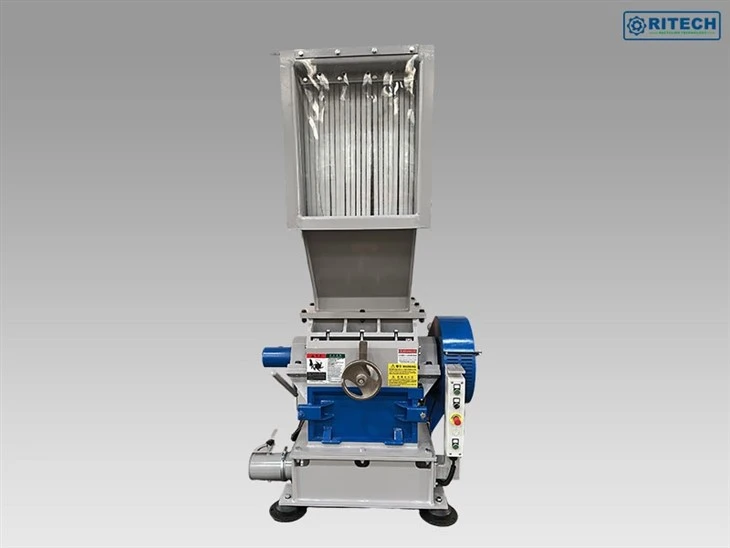
For example, if you're shredding scrap metal, you might need to sharpen or replace the blades every 100 - 200 hours of operation. On the other hand, if you're just shredding paper, you could go 500 or more hours before blade maintenance is required.
Environmental Conditions
The environment where the twin shaft shredder is located also matters. If it's in a dusty, dirty environment, debris can get into the machine's moving parts and cause problems. Places with high humidity can lead to corrosion of metal components.
In a dirty environment, you should clean the machine more often, maybe once a day if it's extremely dusty. In a humid area, you need to regularly check for signs of rust and apply anti - corrosion treatments as necessary.
Recommended Maintenance Schedules
Daily Maintenance
Even if you're using the twin shaft shredder lightly, a quick daily check can go a long way. This involves a visual inspection of the machine. Look for any obvious signs of damage, like cracks in the housing or bent parts. Make sure all the safety guards are in place and intact.
You should also listen to the machine while it's running. Any unusual noises, like grinding or rattling, could indicate a problem. Check the oil levels in the gearbox and lubrication points. If the levels are low, top them up. Make sure the conveyor belts, if any, are properly aligned and not slipping.
Weekly Maintenance
Weekly maintenance is a bit more in - depth. You'll want to clean the machine thoroughly. Remove any debris that has accumulated around the blades and in the hopper. Check the tension of the drive belts and adjust them if needed.
Inspect the electrical connections for any signs of looseness, fraying, or overheating. Tighten any loose bolts and nuts on the entire machine. You can also check the hydraulic system (if your shredder has one) for leaks and proper pressure.
Monthly Maintenance
Once a month, it's time to do a more detailed performance check. Test the operation of the control panel to make sure all the functions are working correctly. Check the alignment of the shafts. Misaligned shafts can cause uneven wear on the blades and reduce the overall efficiency of the shredder.
Examine the blades closely. Look for signs of chipping, excessive wear, or dullness. If the blades aren't in good condition, you might need to sharpen them or replace them. Refer to the manufacturer's instructions for the correct blade sharpening or replacement procedures.
Quarterly and Annual Maintenance
Every quarter, you should have a professional technician perform a more comprehensive inspection. They can use specialized tools to check the internal components, such as the bearings and gears. They'll also perform any necessary adjustments to ensure the machine is running at its best.
On an annual basis, the machine should undergo a major overhaul. This includes disassembling parts of the machine, cleaning all the components thoroughly, and replacing any parts that are beyond repair. It's like giving your twin shaft shredder a complete health check - up.
Importance of Regular Maintenance
Regular maintenance is not just a chore; it's essential for the longevity and performance of your twin shaft shredder. By keeping up with maintenance, you can prevent major breakdowns. A breakdown can be incredibly costly, not only in terms of the repair expense but also in terms of lost production time.
Proper maintenance also ensures that the machine operates safely. Loose parts or malfunctioning components can pose a serious risk to the operators. In addition, a well - maintained shredder will operate more efficiently. It will use less energy and produce better - shredded material, which is great for your bottom line.
If you're in the market for other related equipment, we also offer a range of high - quality products, such as Plastic Recycling Granulator Equipment, Plastic Crushing Granulator/Crusher, Plastic Recycling Granulator, ZERMA Granulator Machine, and Industrial Plastic Granulator Machine.
If you're interested in our twin shaft shredder machines or any of the other equipment I've mentioned, don't hesitate to reach out for a chat about your specific needs. I'd be more than happy to help you find the perfect solution for your business.
References
- Manufacturer's manuals for twin shaft shredder machines.
- Industry reports on waste - processing and recycling equipment maintenance.
- Guidelines from experts in the field of industrial machinery maintenance.


