The escalating global issue of waste tire accumulation has propelled the waste tire recycling industry into the limelight. As a reputable supplier of Waste Tire Recycling Line, I am keen to delve into the efficiency of these systems and explore how they can play a pivotal role in waste management and environmental conservation.
Factors Influencing the Efficiency of a Waste Tire Recycling Line
1. Recycling Technology
The choice of recycling technology is the cornerstone of a waste tire recycling line's efficiency. There are several prevalent methods, each with its own set of advantages and limitations.
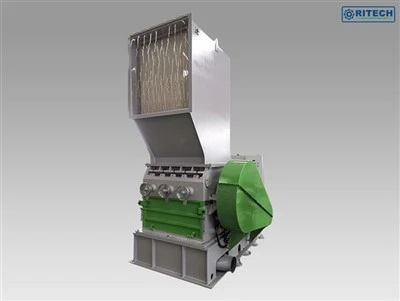
One of the most common techniques is mechanical shredding. In this process, waste tires are fed into powerful shredders that break them down into smaller pieces. These shredded materials can then be further processed into rubber granules, which have a wide range of applications, such as in the production of rubber mats, playground surfacing, and asphalt. Mechanical shredding is relatively straightforward and cost - effective, but it primarily targets the rubber component of the tire, leaving the steel and fiber components to be separated later.


Another advanced technology is pyrolysis. During pyrolysis, waste tires are heated in an oxygen - free environment at high temperatures. This process breaks down the complex organic compounds in the tires into valuable products, including pyrolysis oil, carbon black, and steel wire. Pyrolysis is highly efficient in terms of resource recovery, as it can convert a large portion of the tire's mass into useful materials. However, it requires significant investment in equipment and energy, and strict environmental controls must be in place to prevent the release of harmful emissions.
2. Production Capacity
The production capacity of a waste tire recycling line is a crucial factor in determining its efficiency. A high - capacity line can process a large volume of waste tires in a short period, reducing the overall cost per unit of recycled material. When designing a recycling line, it is essential to consider the expected volume of waste tires in the local area. For instance, in regions with a high density of vehicles or a large automotive industry, a larger - scale recycling line may be more appropriate. On the other hand, in areas with lower waste tire generation, a smaller - scale and more flexible system could be a better option.
3. Automated Control Systems
Modern waste tire recycling lines are increasingly equipped with automated control systems. These systems use sensors, actuators, and advanced software to monitor and regulate various processes in the recycling line, such as the speed of the shredders, the temperature in the pyrolysis reactor, and the flow of materials. Automated control systems can improve efficiency in several ways. Firstly, they ensure consistent and precise operation, reducing the likelihood of human error. Secondly, they can optimize the use of energy and resources by adjusting the operating parameters in real - time based on the input materials and production requirements. For example, if the incoming tires have a higher rubber content, the system can adjust the shredding and separation processes accordingly to maximize the recovery of rubber.
4. Separation Efficiency
Efficient separation of the different components of waste tires is essential for a high - quality recycling process. Tires typically consist of rubber, steel wire, and fiber. The better the separation efficiency, the higher the purity of the recycled products. Advanced separation technologies, such as magnetic separators for steel wire removal and air classifiers for fiber separation, can significantly improve the overall efficiency of the recycling line. By separating the components effectively, the recycled materials can be used in more demanding applications, increasing their market value.
Measuring the Efficiency of a Waste Tire Recycling Line
1. Resource Recovery Rate
The resource recovery rate is one of the most important indicators of a waste tire recycling line's efficiency. It measures the percentage of the waste tire's mass that is converted into useful products. A high - efficiency recycling line can achieve a resource recovery rate of over 90%, meaning that more than 90% of the tire's mass is transformed into valuable materials such as rubber granules, pyrolysis oil, and carbon black. To calculate the resource recovery rate, the total mass of the recycled products is divided by the total mass of the input waste tires and multiplied by 100%.
2. Energy Consumption
Energy consumption is another critical factor in evaluating efficiency. A sustainable and efficient recycling line should minimize energy usage while maintaining high production levels. The energy consumption of a waste tire recycling line depends on several factors, including the type of recycling technology, the production capacity, and the degree of automation. For example, pyrolysis is generally more energy - intensive than mechanical shredding, but the valuable products it generates can offset the higher energy costs. By using energy - efficient equipment, such as high - efficiency motors and well - insulated reactors, and optimizing the process flow, the energy consumption of the recycling line can be reduced.
3. Product Quality
The quality of the recycled products is also closely related to the efficiency of the recycling line. High - quality recycled products have a wider range of applications and can command higher prices in the market. The quality of recycled rubber, for example, can be evaluated based on factors such as particle size distribution, moisture content, and impurity level. A well - designed recycling line will have strict quality control measures in place to ensure that the products meet the required standards. This not only improves the overall efficiency of the recycling process but also enhances the economic viability of the recycling operation.
The Economic and Environmental Benefits of an Efficient Waste Tire Recycling Line
1. Economic Benefits
From an economic perspective, an efficient waste tire recycling line offers several advantages. Firstly, it provides a source of valuable raw materials. The recycled rubber, pyrolysis oil, and carbon black can be used in various industries, reducing the reliance on virgin materials. This not only saves costs for these industries but also creates new business opportunities for the recycling operators. Secondly, the recycling of waste tires can generate revenue through the sale of recycled products. With the increasing demand for sustainable and environmentally friendly materials, the market for recycled tire products is growing steadily. Additionally, in some regions, there may be government incentives or subsidies for waste tire recycling, further enhancing the economic viability of the recycling line.
2. Environmental Benefits
The environmental benefits of an efficient waste tire recycling line are substantial. Waste tires are not only an eyesore but also pose significant environmental risks. They can accumulate in landfills, taking up valuable space and potentially leaching harmful chemicals into the soil and groundwater. When tires are burned in the open, they release large amounts of toxic pollutants into the air. By recycling waste tires efficiently, we can reduce the environmental impact associated with their disposal. Recycling helps to conserve natural resources, reduce energy consumption, and lower greenhouse gas emissions. For example, using recycled rubber in asphalt instead of virgin rubber can reduce the energy required for asphalt production and lower the overall carbon footprint of the road construction industry.
Conclusion and Call to Action
In conclusion, the efficiency of a waste tire recycling line depends on multiple factors, including the choice of technology, production capacity, automated control systems, and separation efficiency. By carefully considering these factors and implementing best practices, a waste tire recycling line can achieve high levels of resource recovery, low energy consumption, and high - quality products.
The economic and environmental benefits of an efficient recycling line are undeniable. As a supplier of Waste Tire Recycling Line, we are committed to providing our customers with state - of - the - art recycling solutions that meet their specific needs and requirements. Whether you are a waste management company, an industrial enterprise, or a government agency looking to address the waste tire problem, we have the expertise and technology to help you.
If you are interested in learning more about our waste tire recycling lines or would like to discuss a potential procurement, please do not hesitate to contact us. We look forward to the opportunity to work with you and contribute to a more sustainable future.
References
- Smith, J. (2018). Waste Tire Recycling: Technologies and Applications. Elsevier.
- Johnson, A. (2020). The Economic and Environmental Impact of Waste Tire Recycling. Journal of Environmental Management, 265, 110543.
- Brown, C. (2021). Advances in Waste Tire Recycling Technologies. International Journal of Recycling of Organic Waste in Agriculture, 10(2), 1 - 15.