


If you’ve ever stood over your kitchen sink, holding a coffee grounds filter or a plate of leftover veggies, you’ve probably wondered: should I rinse this down the drain or toss it in the trash? For millions of homeowners and commercial kitchen owners, food waste grinders—sometimes called garbage disposals—have become a go-to solution for cutting down on kitchen trash. As a supplier of food waste grinder machines, I hear this question all the time, and one concern comes up more than any other: how does this small, convenient appliance affect the quality of our plumbing water? The answer isn’t a simple yes or no. It’s a mix of engineering, municipal infrastructure, and a little-known science of how organic waste interacts with our pipes and the water that flows through them.
Let’s start with the basics. Food waste grinders work by shredding food scraps into tiny particles, usually less than 2 millimeters in size, that can be flushed down the drain with running water. This design is intentional: smaller particles are less likely to get stuck in pipe bends, and they break down faster in wastewater treatment facilities. But even with that engineering, the grinder doesn’t just turn food into invisible particles— it’s processing a mix of organic matter, water, and sometimes accidental contaminants, all of which impact plumbing water quality in different ways.
First, let’s talk about the direct impact on home plumbing. The biggest risk here isn’t the food itself, but how it interacts with the pipes over time. For older homes with corroded steel or clay pipes, small food particles can cling to rust or mineral deposits inside the pipe walls, creating a sticky sludge. This sludge builds up slowly, narrowing the pipe’s diameter, which slows down water flow. Over months, this reduced flow can lead to standing water in pipes, which is a breeding ground for bacteria like E. coli and Legionella. Even for newer PVC or copper pipes, the same sludge can accumulate, though at a slower rate. Copper pipes, in particular, can be affected by acidic food waste— like citrus peels, tomato sauce, or coffee— that leaches small amounts of copper into the water over time. In small doses, this is harmless, but regular exposure over years can push copper levels above the EPA’s action limit, making tap water unsafe for drinking for some.

Now, move beyond the home to the municipal sewer system, and the stakes get bigger. When food particles leave your home, they travel through a network of pipes to wastewater treatment plants. The problem here isn’t just the particles themselves, but what happens when they mix with other wastewater. Small food particles don’t just stay suspended— they start to clump together, especially when they combine with grease, soap, and human waste. This clump, called “biosolids,” can cause blockages in sewer lines, which lead to overflows. These overflows (often called combined sewer overflows, or CSOs) release untreated wastewater into rivers, lakes, and oceans, where they harm aquatic ecosystems and even contaminate drinking water sources. Studies from the EPA show that CSOs carry billions of gallons of untreated wastewater into U.S. waterways every year, and food waste grinders are a small but consistent contributor when used incorrectly— especially in older cities with combined sewer systems that handle both sewage and stormwater.
But here’s the thing: this doesn’t mean food waste grinders are bad. It’s all about how they’re used, and how they fit into the larger plumbing and waste management picture. When used as intended— for soft, non-greasy food scraps like vegetable peels, coffee grounds, and eggshells— they reduce the amount of organic waste sent to landfills, which cuts down on methane emissions, a potent greenhouse gas. The key is understanding the limits of these machines. For example, hard items like bones or fruit pits can’t be shredded properly, and they can scratch pipe walls or get stuck in sewer line joints. Grease, oil, and fat are another no-go— they don’t break down, even when ground, and they cool into a solid mass that clogs pipes. These are the mistakes that lead to water quality issues, not the grinder itself.
As a supplier of food waste grinder machines, I’ve spent years working with plumbers, kitchen designers, and homeowners to find ways to balance convenience with water quality. One thing I’ve learned is that education is just as important as the machine itself. Many people don’t realize that food waste grinders require a certain amount of water to operate correctly— at least one gallon per use, running while the grinder is on and for 10 to 15 seconds after it shuts off. This water pressure helps push the shredded particles through the pipe and prevents them from sticking to the walls. Skipping that step is one of the most common reasons for clogs and sludge buildup.
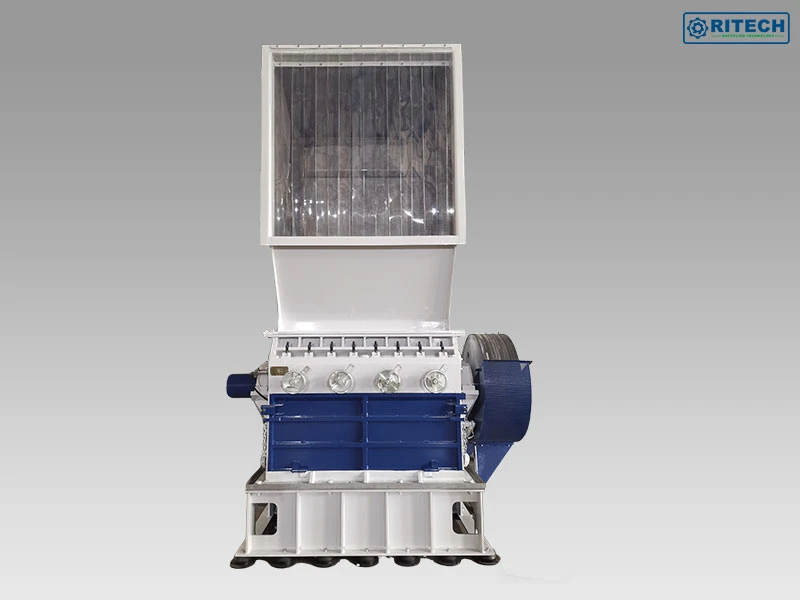
I often get asked, “How do food waste grinders compare to other waste processing solutions?” It’s a fair question, especially when you look at other types of industrial waste processing equipment. For example, some manufacturers offer industrial pipe grinders for processing larger materials, but those are for construction or plumbing repair, not food. Then there are copper wire grinder machines, which handle scrap wiring, and plastic grinders & granulators, which process plastic waste. These are specialized for non-food materials, so they don’t affect water quality at all— they’re used to recycle scrap, not dispose of it down drains. Plastic bottle grinder machines and steel wire grinder machines follow the same pattern: they’re designed for recycling, not wastewater flow. But when it comes to food waste, the grinder is a different category— it’s a link in the plumbing chain, not just a recycling tool.
Another point that’s often overlooked is the impact on your water bill. When you use a food waste grinder, you’re adding extra water to every load of food scraps, which means you’re using more water overall. For a small household, this is usually negligible— a few gallons a week. But for a commercial kitchen, like a restaurant or school cafeteria, that extra water adds up to hundreds of gallons a month. That means higher water and sewer bills, but it also means more wastewater flowing through the municipal system. Some cities charge commercial users based on the amount of wastewater they produce, so using a grinder can increase those costs. That’s why many commercial kitchens choose to pair their food waste grinders with small grease interceptors— devices that catch any remaining grease or large particles before they enter the sewer system. This reduces the load on the municipal treatment plant, which helps keep water quality high.
Let’s talk about the science of how food breaks down in pipes. When food is ground into small particles, it’s still organic matter— same as the food you ate. Bacteria in the pipes and sewer system feed on this organic matter, which uses up oxygen in the water. This is called biochemical oxygen demand (BOD). High BOD levels mean less oxygen for fish and other aquatic life when the wastewater is released into waterways. The EPA has set limits on BOD in wastewater to protect aquatic ecosystems, and food waste grinders can push levels above those limits if too much organic matter is sent through the sewer at once. That’s why treatment plants use microorganisms to break down the organic matter after it arrives, but that process is less efficient if the particles coming in are too large or mixed with non-food contaminants.
So, what’s the bottom line for homeowners and businesses? Food waste grinders aren’t inherently bad for plumbing water quality— but they’re not a set-it-and-forget-it solution either. The key is to use them correctly, pair them with proper maintenance, and be aware of their limits. For example, if you have an older home with small-diameter pipes, you might want to avoid grinding large amounts of fibrous materials like corn husks or celery, since those can wrap around the grinder’s blades and get stuck. For commercial kitchens, installing a grinder with a high-powered motor and a stainless steel grind chamber can handle more food without clogging, and adding a grease interceptor is non-negotiable for protecting the sewer system.
As a supplier, I work hard to design and sell food waste grinder machines that minimize these risks. We test our models to make sure they shred food into the right particle size, so they flow easily through pipes without leaving behind excess sludge. We also include clear guidelines in every product manual about what to grind and what to avoid, from citrus peels to coffee grounds (yes, coffee grounds are actually okay, as long as you use enough water to flush them). I know from experience that when people use their grinders as instructed, they see almost no impact on their home’s water quality. The problems only come when habits slip— when someone pours a pot of hot grease down the drain, or when a large bone gets ground up.
It’s also worth noting that some cities are moving away from food waste grinders altogether, especially those with outdated sewer systems that can’t handle the extra load. Places like San Francisco and Seattle have banned grinders in some areas, pushing instead for composting programs. But for many other cities, especially those with modern sewer infrastructure, grinders are a valuable tool for reducing landfill waste. The debate isn’t about whether grinders work— it’s about how to integrate them into a larger waste management system that protects water quality for everyone.
At the end of the day, the food waste grinder is a small appliance with a big impact— on your plumbing, your water bill, and the environment. As a supplier, my goal isn’t to convince everyone to buy one. It’s to help people understand how they work, how to use them safely, and what to expect when they install one. If you’re considering a food waste grinder machine for your home or business, it’s important to talk to a plumber first to make sure your pipes can handle it. For industrial or large-scale needs, we also offer a range of specialized grinding equipment— from the pipe grinder for construction-related plumbing work to the plastic bottle grinder machine for food packaging recycling— that fit different needs beyond food waste.
When it comes to water quality, knowledge is power. Knowing what your grinder can and can’t do, how to maintain it, and how it fits into your local sewer system will help you make the choice that’s right for you and for the water around you. If you’re ready to learn more about food waste grinders, or if you’re looking for the right equipment for your commercial space, we’re here to help. Reach out to our team to discuss your needs and find the solution that balances convenience, sustainability, and water quality.
References
- U.S. Environmental Protection Agency. (2022). Combined Sewer Overflows: Impacts and Solutions. EPA Office of Water.
- American Water Works Association. (2021). Home Plumbing Maintenance and Water Quality. AWWA Research Foundation.
- National Sanitation Foundation. (2020). Food Waste Disposer Usage Guidelines for Residential and Commercial Settings. NSF International.
- Water Environment Federation. (2019). Impacts of Food Waste on Municipal Wastewater Treatment Plants. WEF Technical Report.
- Occupational Safety and Health Administration. (2021). Industrial Waste Processing Equipment and Water Quality. OSHA Safety and Health Topics.


