


Hey there! As a supplier of Rubber Tire Grinder Machines, I often get asked if these machines are suitable for small - scale tire recycling. Well, let's dive right into it and find out.
Understanding Small - Scale Tire Recycling
First off, what exactly do we mean by small - scale tire recycling? Small - scale recycling usually involves processing a relatively low volume of tires, perhaps a few hundred to a couple of thousand tires per month. This could be for a local business, a community project, or a startup looking to make a mark in the recycling industry. The goal is often to turn waste tires into useful products like rubber mulch, crumb rubber, or even fuel.
How a Rubber Tire Grinder Machine Works
Before we discuss its suitability for small - scale operations, let's understand how a rubber tire grinder machine works. These machines are designed to break down tires into smaller pieces. The process typically starts by feeding whole tires into the machine. Sharp blades or grinding elements then cut and shred the tires, reducing them to chunks. These chunks are further ground and processed until they reach the desired particle size.
Advantages for Small - Scale Recycling
One of the biggest advantages of using a rubber tire grinder machine for small - scale recycling is cost - effectiveness. Compared to large - scale industrial equipment, small - scale machines are more affordable to purchase and maintain. They also require less space, making them ideal for small workshops or recycling facilities.
Another advantage is flexibility. Small - scale operators can easily adjust the machine's settings to produce different sizes of rubber chips. This allows them to cater to various customers' needs, whether it's for playground surfaces, running tracks, or agricultural applications.
Moreover, these machines are relatively easy to operate. You don't need a large team of highly skilled technicians to run them. With a bit of training, one or two people can manage the entire recycling process. This is a huge plus for small - scale businesses with limited manpower.
Challenges and Considerations
Of course, it's not all sunshine and rainbows. There are some challenges to using a rubber tire grinder machine for small - scale recycling. One of the main issues is the initial investment. Even though small - scale machines are more affordable than their industrial counterparts, they still require a significant amount of capital. For a startup or a small business, this can be a major hurdle.
Another challenge is the quality of the output. Small - scale machines may not be able to produce rubber chips as consistently as large - scale equipment. This can affect the marketability of the recycled products. However, with proper maintenance and calibration, these issues can be minimized.
Noise and dust are also concerns. Tire grinding can be a noisy and dusty process. Small - scale operators need to ensure that they have proper ventilation and noise - reducing measures in place to comply with environmental regulations and protect their workers' health.
Comparing with Other Recycling Machines
It's also worth comparing the rubber tire grinder machine with other types of recycling machines. For example, if you're interested in recycling pipes, you might consider a Pipe Grinder. This machine is specifically designed to break down pipes and turn them into recyclable materials. Similarly, a Waste Wood Recycling Machine can be used to process waste wood, while a Plastic Scrap Grinder is great for recycling plastic scraps.
If you're dealing with HDPE pipes, an HDPE Pipe Grinder Machine would be a better choice. And for cable wire recycling, a Cable Wire Grinder Machine is the way to go. However, when it comes to tire recycling, a rubber tire grinder machine is the most specialized and efficient option.
Tips for Small - Scale Tire Recycling
If you're planning to start a small - scale tire recycling business using a rubber tire grinder machine, here are some tips to keep in mind. First, do your research. Understand the market demand for recycled tire products in your area. This will help you determine the right particle size and quantity to produce.
Second, invest in proper training. Make sure your operators know how to use the machine safely and efficiently. Regular maintenance is also crucial to keep the machine running smoothly and prevent breakdowns.
Finally, build partnerships. Connect with local tire suppliers, waste management companies, and potential customers. This will help you secure a steady supply of tires and a market for your recycled products.
Is It Worth It?
So, can a rubber tire grinder machine be used for small - scale tire recycling? The answer is a resounding yes! Despite the challenges, the benefits far outweigh the drawbacks. With the right machine, proper planning, and a bit of hard work, small - scale tire recycling can be a profitable and environmentally friendly business.

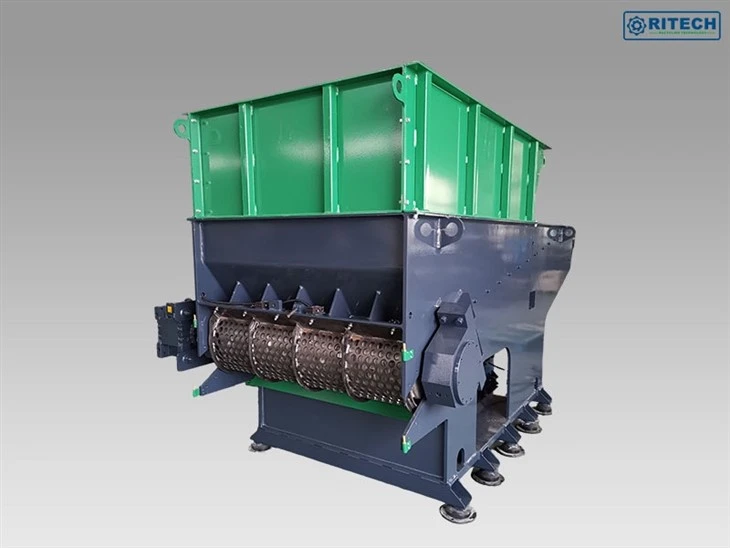
If you're interested in getting started with small - scale tire recycling, we have a range of high - quality rubber tire grinder machines that are perfect for your needs. Don't hesitate to reach out to us. We're here to help you every step of the way and turn your recycling dreams into a reality. Whether you're a newbie looking to enter the recycling industry or an existing business looking to expand, our machines can make the process easier and more efficient. Contact us today to start the conversation about purchasing the right machine for your small - scale tire recycling operation.
References
- "Tire Recycling Handbook" - A comprehensive guide on tire recycling processes and equipment.
- "Recycling Industry Trends" - Research reports on the current trends in the recycling sector.


