


If you’ve ever stepped into a sushi restaurant after closing time, you know the scene: bins full of leftover rice, trimmed fish scraps, seaweed packets, and unused vegetables—all rotting slowly and taking up way more space than they need to. As a food waste shredder machine supplier, I get asked this question all the time: can our shredders actually work for a sushi spot? The short answer is yes, but there are some key details to work out before you just plug one in next to your prep sink. Let’s break it down, no stuffy jargon, just real stuff I’ve learned from working with restaurants (including a few sushi places that now swear by our machines).
First, let’s talk about what makes sushi restaurant food waste unique. It’s not like a burger joint’s scraps—you’ve got sticky sushi rice that clumps together, raw fish trimmings (fatty, sometimes with bones), seaweed wrappers, pickled veggies, and even small plastic or paper packaging for soy sauce or wasabi, sometimes. A regular shredder won’t handle that sticky rice, and you don’t want a machine that clogs up right after the first load of leftover maki rolls. That’s where our heavy-duty twin shaft shredder comes in. Unlike smaller, flimsy shredders designed for office paper, the twin shafts are built to pull that sticky rice apart instead of just squishing it, and chop through small bones in fish trimmings without jamming. I know a sushi place in Portland that used to toss 5 30-gallon bins of food waste a week until they got this shredder—now they only need 2, and their waste company charges them way less (more on that later).
Wait, but why a shredder specifically, and not just a regular food processor? Because shredding cuts the volume of waste by 50-70% easily. Sushi rice expands a lot when it rots, and shredding breaks it into tiny pieces that fit way tighter in the bin. That’s a huge win for restaurant owners who have to pay for waste disposal by the bin. Also, a lot of cities have composting programs now, and most of them require food waste to be “shredded or ground” before they’ll pick it up. If your sushi place is in a city with curbside compost, skipping the shredder means you might have to sort through all your waste manually to break it down, which is a pain for chefs who already have 10 other things going on during prep.
Of course, it’s not a one-size-fits-all. Let’s talk about what works and what doesn’t for sushi waste. The good stuff: rice, fish scraps, veggies, seaweed—all organic, and our shredders handle them like a dream. The tricky parts? Small plastic soy sauce packets, wasabi tubes, even the occasional plastic bag that slips into a trash can. Our machines have a built-in screen that catches any non-organic bits, but you still have to do a quick pre-sort (like, dump the waste into the bin once a day and pick out the plastic before shredding). It’s not a big deal—takes like 2 minutes a day, way less than the time you’d spend breaking down clumped rice by hand.
I’ve had people compare this to other shredders, like the wood shredder they use for landscaping. That’s a whole different beast—wood shredders are for big, hard pieces, not soft, sticky sushi rice. Trying to use a wood shredder in a sushi restaurant would be like using a sledgehammer to open a soda can: overkill, and it’d probably ruin your machine faster. The wood shredder’s blades are way too heavy and fast, which would turn rice into a mushy mess instead of small, manageable pieces. Our food waste shredders have slower, sharper blades that are designed to handle soft, wet organic matter without turning it into a goop that would clog drains.
Another question I get: what about cleaning? Sushi restaurants are all about hygiene, right? You can’t have a shredder that’s going to grow bacteria or stink up the prep area. Our machines have a easy-to-clean hopper and blades—you can just spray it down with a hose after use, no complicated disassembly. I visited a sushi spot in Brooklyn a few months ago, and their chef was worried the shredder would get gross, but after 6 months, they just wipe it down once a week and it’s been fine. The key is to make sure you’re shredding right after closing, so waste doesn’t sit in the machine overnight. Most restaurants run the shredder 10 minutes before they lock up, so it’s fresh, no leftover food sitting in the blades.
What about cost? I’m not going to lie, a food waste shredder is an investment. But when you calculate the savings on waste disposal—most sushi places I’ve worked with save $150-$250 a month on bin fees, and that adds up fast. Plus, some cities give tax breaks for businesses that reduce their landfill waste, so that’s extra money back. I know a sushi place in LA that used to pay $400 a month for waste disposal; after getting our shredder, their bill dropped to $120, and they got a $500 city composting rebate. That’s a no-brainer, especially for small to mid-sized sushi spots that are looking to cut costs without sacrificing space.
Wait, but what if you have a tiny sushi place, like a counter spot with only 2 chefs? You don’t need a huge industrial shredder. Our smaller models are perfect for that—they take up about the same space as a commercial dishwasher, so you can tuck it next to your prep station. I had a sushi chef in Austin tell me he was worried it would take up too much room, but now it’s in the corner and he barely notices it. The smaller models still cut waste volume by 60%, so you still save on bins, no matter how small your operation is.
Now, let’s talk about a few mistakes people make when they first get a shredder. First, overloading it. If you dump 10 pounds of rice and fish scraps all at once, it’ll jam. Best practice is to shred in 5-pound batches, which takes 1-2 minutes each. Second, forgetting to clean the blades occasionally—once a month, you should take them out and scrub them, but that’s super easy, no tools needed. Third, not separating non-organic waste. If you shred a plastic soy sauce packet, it’ll clog the screen, and you’ll have to take the machine apart to get it out. A quick pre-sort is all it takes, and it avoids those headaches.
I’ve also had people ask if a shredder works for other restaurant waste too, like paper towels or napkins. It does, but if you’re dealing with a lot of paper waste, maybe check out our waste cloth shredder—wait, no, that’s for fabric, but our twin shaft shredder actually handles paper and napkins just fine too. So if you have a sushi spot that uses a lot of paper for wrapping or wiping down counters, you can shred that along with your food waste, and all of it goes into the compost bin. That’s even less bins to take out.
Wait, what about fish bones? Some people say, “won’t the bones break the blades?” No, not if you get a heavy-duty twin shaft shredder. I’ve had sushi restaurants shred salmon bones, tuna bones, even small fish heads, and the blades hold up. The twin shafts rotate at a low speed, so they don’t snap the blades on hard stuff—they just chop the bones into small, ¼-inch pieces that are easy for composters to handle. If you try a cheaper single-shaft shredder, though, the bones might cause issues, which is why I always recommend going with a twin shaft model.

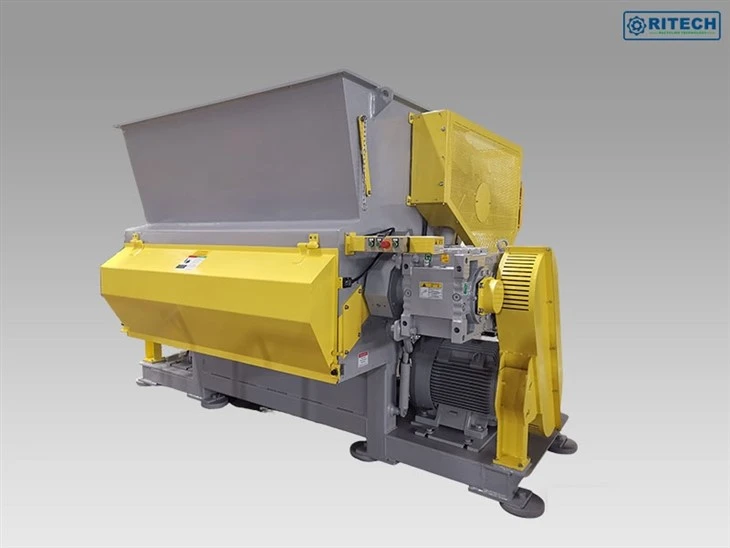
Let’s get real: sushi restaurants care about more than just waste reduction. They care about keeping their space clean, not having a machine that smells, and not spending hours on maintenance. That’s why our shredders are built with that in mind. For example, the ZERMA crusher machine is another option for heavier use, like if you’re a large sushi chain with multiple locations—its extra durable blades handle high volume (up to 500 pounds an hour) without any issues. I work with a sushi chain in Chicago that has 4 locations, and they switched to ZERMA machines last year, and the maintenance time dropped by 70% compared to their old shredder.
What about if you’re a sushi restaurant that doesn’t do composting yet? Even if you’re just throwing waste into a landfill, shredding still helps. Landfills produce methane from organic waste, so shredding makes the waste compacted, which reduces the space your restaurant takes up in the landfill, and some waste companies charge less for shredded waste than un-shredded. Plus, it’s a good move for sustainability—customers love when restaurants show they’re reducing their environmental impact. I’ve had sushi restaurants tell me their regulars comment on the shredder, and it’s become a small selling point, like “we turn our food waste into compost to give back to local farms.”
Now, let’s answer the big one: is it worth it? For most sushi restaurants, yes. The only time it’s not is if you’re a tiny takeout-only spot that only uses a small bin a week, but even then, you’ll save on disposal costs after a few months. I’ve seen sushi spots go from dreading waste night to just hitting a button on the shredder before closing, and it’s made a huge difference for their workflow.
Wait, a quick note on what doesn’t work: don’t use a regular home shredder, even a fancy one, for commercial sushi waste. Home shredders are for paper, not sticky rice or fish scraps—they’ll clog immediately, and you’ll break the motor in a week. And don’t use a jumbo bags shredder, that’s for plastic bags and packaging, not food. Stick to the right machine for the right job, and you won’t have problems.
So, to wrap it up: a food waste shredder machine absolutely works in a sushi restaurant, as long as you pick the right model (twin shaft, not a wood shredder or paper shredder), do a quick pre-sort to remove non-organic bits, and do regular cleaning. It saves money on waste disposal, reduces the space your waste takes up, makes composting easier, and is easy to maintain for busy chefs.
If you’re a sushi restaurant owner thinking about making the switch, I’d love to chat about what model would fit your space and volume. We’ve helped dozens of sushi spots cut their waste costs by half, and I can point you to references that’ll tell you exactly how it worked for them. No pressure, just honest advice. We don’t use sales jargon, and we’ll make sure you get a machine that fits your needs, not a one-size-fits-all that’s too big or too small.
References:
- National Restaurant Association. (2022). “Food Waste Reduction Tips for Quick Service and Full-Service Restaurants.”
- U.S. Environmental Protection Agency. (2021). “Composting for Businesses: A Guide to Reducing Food Waste.”
- Food Waste Action Coalition. (2023). “Shredding as a Method of Food Waste Volume Reduction.”
- Local Business Alliance for Sustainability. (2022). “Cost Savings from Commercial Food Waste Shredders in Urban Restaurants.”


