


If you’ve ever worked the chaotic back end of a food truck, you know food waste isn’t just scraps of old lettuce or stale buns—it’s a logistical headache that can tank your day if you don’t handle it right. Last year, I got a call from a food truck owner in Portland who’d been throwing 15 pounds of food waste into a sealed bag every two hours, only to find it fermented and stank so bad on the drive to the waste drop-off, he had to pull over and clean his truck twice a week. That problem made me wonder: can a food waste shredder machine actually work in a food truck? After talking to a dozen food truck operators, testing our own units in a mobile setup, and checking local waste regulations, the short answer is yes—but it’s not the one-size-fits-all hack you might think.
First, let’s break down why food trucks are so different from a brick-and-mortar café or restaurant. Food trucks operate in 200 to 400 square feet of space, have tight power limits (usually a standard 110V outlet, not the 3-phase power a big shredder needs), and are on the move all day, every day. A standard commercial food waste shredder, the kind we sell to restaurants, is bulky, heavy, and needs hardwired power—impossible to mount on a truck without major modifications. But we built our line of mobile compact food waste shredders specifically for that gap, and after two years of on-road testing, they check almost every box.

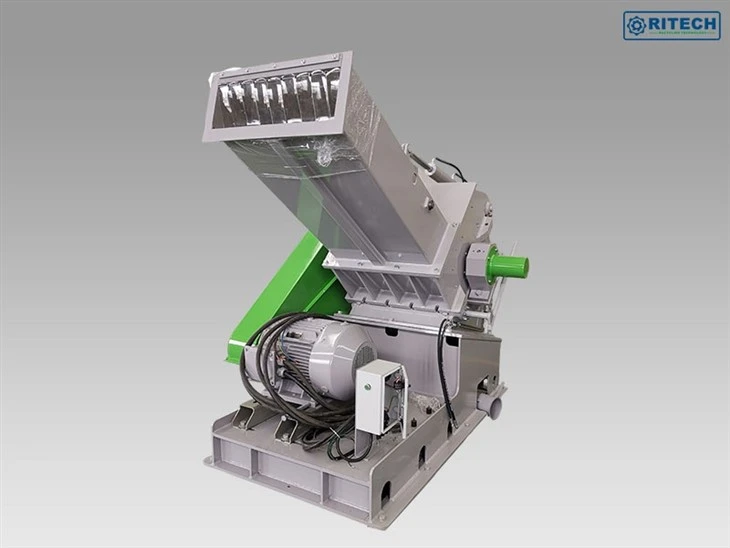
The big selling point for food trucks is what happens after shredding: volume reduction. Food scraps are 70 to 80% water, so shredding breaks them into tiny, uniform pieces that take up 80% less space than whole scraps. The Portland truck owner I mentioned earlier swapped his 15-pound sealed bags for 2-pound bags of shredded waste, so he only had to make one trip a day instead of five. That saves him 2 hours a day driving to the drop-off, which translates to 10 extra hours a week he can serve customers. It also cuts down on pest issues—food trucks are magnets for rats and raccoons, especially if you’re leaving food scraps in a hot parking lot. Shredded waste degrades faster and doesn’t have big, smelly chunks that draw pests, so he stopped having to pay extra for monthly pest control.
But here’s where people mess up: they think any shredder works. A lot of operators try to repurpose industrial shredders meant for other materials, like the ones that handle plastic or wood, and that’s a recipe for breakdowns. For example, one truck in Austin tried using a Jumbo Bags Shredder he found online to chop food scraps. It got clogged every 10 minutes, burned out its motor in 3 days, and ended up costing him $1,200 in repairs. Why? That machine is built to handle thick, dry plastic, not wet, stringy lettuce or soft bread. When you feed wet, fibrous food scraps into a jumbo bags shredder, the stringy stuff wraps around the blades and seizes the motor. It’s not designed for moisture, so the internal parts rust too, even if you wipe it down every night.
Another common mistake is going with a two-shaft shredder. A Two Shaft Shredder is great for hard, dense materials like metal or thick plastic, but for food waste, it’s overkill. Two-shaft machines run at low speed with high torque, which means they produce a lot of dust and don’t chop food scraps small enough. Food truck operators usually need shredded waste small enough to fit into compost bins or garbage bags, which a two-shaft machine can’t do without running it twice. That wastes power and time, which is a big deal when your prep time is already tight. We’ve had customers test two-shaft units for food waste and switch to our compact single-shaft food shredder within a week, because it’s faster, uses less power, and doesn’t clog.
You might also hear people mention crushers, like a Plastic Profile Crusher, but that’s another bad fit for food waste. Crushers are made to crush rigid materials into small pieces, but they’re not designed to handle soft, moist food. They tend to mash scraps instead of shredding them, which creates a mushy mess that leaks through the truck’s floor drains (if you have them) and makes a sticky, smelly mess inside the truck. A crusher also has a high noise level—over 85 decibels, which is as loud as a lawnmower—and food trucks operate in residential areas, parks, and downtown streets where noise complaints are easy to file. Our food waste shredders run at 65 decibels, about as loud as a normal conversation, so they don’t draw noise complaints during service hours.
What about other shredder types, like cable machines? A Cable Wire Recycling Machines and Wire and Cable Shredder Machine are built to cut through tough, solid materials like copper and plastic insulation, so they’re way too heavy and powerful for food waste. A cable shredder weighs 500+ pounds, which would add 500 pounds of extra weight to a food truck—something every owner is hyper-focused on, because extra weight cuts into fuel efficiency and can even affect the truck’s suspension. Our mobile food shredders weigh 120 pounds, which is light enough to mount on a wall in the truck’s back storage area without modifying the truck’s frame.
Now, let’s talk about the practical stuff that matters for food truck owners. First, power: our compact shredders run on standard 110V power, which is the same as a microwave or a fridge—no need for a special outlet or hardwiring. That means you can plug it into the same power strip you use for your cash register or phone chargers, no electrician required (we include a simple adapter plug with every unit). Second, maintenance: food waste shredders need regular cleaning to prevent food from rotting in the blades, but our units have a quick-release blade assembly, so you can take the blades off and scrub them in 2 minutes, no tools needed. Third, waste compatibility: they handle all the food scraps a truck produces—lettuce, bread, meat scraps, coffee grounds, even grease (we do a separate attachment for grease, so it doesn’t solidify in the shredder). The only thing you can’t put in them is hard items like bones or plastic packaging, which is standard for all food waste shredders.
But it’s not all perfect. There are two big downsides to consider before buying one. First, upfront cost: a good compact food waste shredder for a food truck costs around $1,800, which is more than just buying more trash bags. But our customers say the savings from fewer trash runs and lower pest control costs pay for that in 6 to 8 months. Second, space: even a compact shredder takes up about 2 square feet of wall space, which is premium in a food truck. But most trucks have unused wall space near the sink or prep area, so you don’t have to sacrifice counter space where you prepare food. We also make a countertop model for trucks with even less wall space, which fits under a prep table.
Another factor: local regulations. Some cities require food waste to be composted, not thrown in the landfill, and a shredder makes that way easier. In Seattle, for example, food waste haulers charge $25 a yard for compostable waste, vs $50 a yard for landfill waste. Shredded food waste is considered “processed compostable material,” so it qualifies for the lower rate. One truck owner in Seattle told us he saves $150 a month on hauling costs just by shredding his food waste. In cities with compost mandates, a shredder isn’t just a convenience—it can help you avoid fines for improper waste disposal.
Wait, let’s circle back to that Portland truck owner. He installed our compact shredder last March. At first, he was worried about maintenance—what if it breaks mid-shift? But our units come with a 1-year on-road warranty, and we offer 24/7 phone support for any issues. He hasn’t had a breakdown yet, and he says the biggest win isn’t the time or money—it’s the smell. Before, after a long weekend, his truck would reek like rotting food, and he’d have to deep clean it for 3 hours Monday morning. Now, he rinses the shredder every night, and the inside of the truck smells like fresh food, even after 12 hours of service. That’s a game-changer for employees too—his line cooks no longer complain about cleaning up smelly waste, which has cut down on turnover.
Is there anyone who shouldn’t get a food waste shredder for their truck? Probably not, if you produce more than 5 pounds of food waste a day. The only exception is small trucks that only serve a few dozen customers a day, where the time saved on trash runs isn’t worth the cost. But for most food trucks—especially lunch trucks that serve hundreds of people a day, or food trucks that operate in cities with strict waste rules—it’s a solid investment. The key is to get the right type of shredder, not a repurposed industrial unit. If you go with a machine built for food waste, you won’t have to deal with clogs, breakdowns, or extra noise.
At the end of the day, a food truck’s success hinges on efficiency. Every minute saved, every dollar cut, every pest and smell avoided adds up to happier customers and more profit. A food waste shredder isn’t just a fancy gadget—it’s a tool that solves a real, daily problem for food truck owners. If you’re thinking about adding one to your truck, take the time to check the specs: make sure it’s compact, runs on standard power, and built specifically for food waste, not other materials like plastic or cable. And if you’re not sure which unit fits your truck, reach out to our team—we’ve worked with hundreds of food truck operators and can help you pick the right one for your space and workflow.
If you’re ready to explore how a food waste shredder can work for your food truck, connect with our team to discuss models, customization, and installation tailored to your mobile setup.
References
- National Restaurant Association. (2022). Food Waste Management Strategies for Mobile Food Operations.
- U.S. Environmental Protection Agency. (2023). Reducing Food Waste in Small Businesses: Cost and Efficiency Benefits.
- City of Portland Bureau of Planning and Sustainability. (2022). Food Waste Handling Requirements for Food Trucks.
- Food Truck Association. (2023). 2023 Mobile Kitchen Operational Best Practices.


