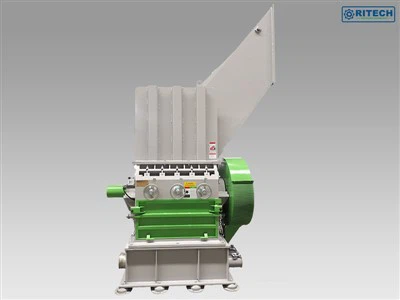
Are there any international standards for waste tyre recycling lines?
Hey there! I'm a supplier of waste tyre recycling lines, and this is a question that I get asked a lot. So, let's dive right in and explore if there are indeed international standards for these recycling lines.
First off, waste tyre recycling is a big deal. Every year, millions of tyres are discarded around the world, and if not recycled properly, they can cause a whole host of environmental problems. From taking up valuable landfill space to posing fire hazards, waste tyres are a real headache. That's where waste tyre recycling lines come in. They're designed to break down these old tyres into useful materials like rubber granules, steel wire, and even fuel oil.
But when it comes to international standards, it's a bit of a mixed bag. There isn't a single, all - encompassing set of standards that applies to waste tyre recycling lines across the globe. However, there are some key aspects that are commonly considered in different regions.
One of the most important factors is safety. Recycling waste tyres involves heavy machinery and potentially hazardous materials. So, safety standards are crucial. For example, the machinery in a recycling line should have proper guards to prevent workers from getting injured. There should also be safety protocols in place for handling chemicals and dealing with potential fires. In Europe, the CE marking is often used as an indication that a waste tyre recycling line meets certain safety and quality standards. It shows that the equipment has been tested and complies with the relevant European Union directives.


Another aspect is environmental impact. Recycling lines should be designed to minimize pollution. This means reducing emissions of harmful gases and particulate matter during the recycling process. For instance, the process of pyrolysis, which is used to break down tyres into oil and other by - products, should be carried out in a way that doesn't release large amounts of pollutants into the air. Some countries have strict regulations on the amount of pollutants that can be emitted from a recycling facility.
Quality control is also a significant part. The end products of a waste tyre recycling line, such as rubber granules, should meet certain quality standards. These standards can vary depending on the intended use of the products. For example, if the rubber granules are going to be used in sports fields, they need to have specific physical properties like size, hardness, and abrasion resistance.
Now, let's talk about the benefits of having international standards. If there were more unified international standards for waste tyre recycling lines, it would make it easier for suppliers like me to sell our products globally. It would also give customers more confidence in the quality and safety of the equipment. For example, a customer in Asia could be more certain that a recycling line from Europe meets the same high - level standards as one from their own region.
As a waste tyre recycling line supplier, I always try to stay up - to - date with the latest regulations and best practices in different countries. I want to make sure that the recycling lines I provide are not only efficient but also meet the highest possible standards. That's why I invest in research and development to improve the design and performance of our equipment.
If you're in the market for a waste tyre recycling line, you might be interested in our Waste Tire Recycling Line. We've put a lot of effort into making sure it's safe, environmentally friendly, and produces high - quality end products.
So, to sum it up, while there isn't a single international standard for waste tyre recycling lines, there are various regional and industry - specific standards that cover safety, environmental impact, and quality control. As a supplier, I'm committed to adhering to these standards and providing the best possible solutions for waste tyre recycling.
If you have any questions about waste tyre recycling lines or want to discuss a potential purchase, don't hesitate to reach out. We're here to help you find the right recycling solution for your needs.
References:
- European Union directives on machinery safety and environmental protection.
- Industry reports on waste tyre recycling best practices.