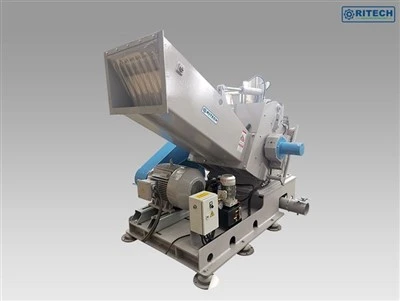
A plastic crusher is a specialized machine for crushing plastic products, widely used in plastic recycling, processing, and reuse. Its operation involves several steps; the following details the operating procedures and precautions.
Equipment Inspection: Before use, a comprehensive inspection of the plastic crusher is necessary to ensure all components are intact and undamaged, especially vulnerable parts such as blades and screens. Simultaneously, check the electrical system for proper functioning, including the motor, cables, and control switches, ensuring they are safe and reliable.
Site Clearance: Ensure the area around the crusher is free of debris, especially hard objects such as metal and stones, to prevent damage to the equipment or accidents during crushing.
Material Preparation: Prepare an appropriate amount of plastic material based on the crusher's processing capacity. The material should be clean and free of impurities, avoiding excessive moisture or oil, which can affect crushing efficiency and equipment lifespan.
Operating Procedures: Start the Equipment: Connect the power supply and ensure the voltage is stable within the equipment's required range (e.g., 380V).
Turn on the control switch and start the motor. Observe whether the motor operates normally and whether there are any abnormal noises or vibrations. After the motor runs smoothly, gradually increase the load to avoid sudden overload impacting the equipment.
Feeding and Crushing: Evenly and slowly feed the prepared plastic material into the crusher's feed inlet. Avoid feeding too much material at once to prevent blockage or affecting the crushing effect.
During the feeding process, carefully observe the crusher's operating status, such as whether the discharge port is unobstructed and whether the crushed particle size meets the requirements. If any abnormalities are found, such as blockage or unusual noises, immediately stop feeding and shut down the equipment for inspection and handling.
Adjusting Parameters: Adjust the crusher parameters, such as blade gap and screen aperture, as needed according to the type of material and crushing requirements. These parameter adjustments directly affect the crushing effect and output.
When adjusting parameters, follow the instructions in the equipment manual to avoid arbitrary adjustments that may damage the equipment or result in poor crushing performance.
Stopping the Equipment: After the crushing task is completed, stop feeding material and allow the crusher to continue running for a period of time to completely crush and discharge the remaining material. Once the crusher has completely stopped running, turn off the control switch and disconnect the power. Clean the inside of the crusher of any remaining material and impurities, keeping the equipment clean.